Drywall saw vs jab saw: The jab saw is a type of drywall saw, best for plunge cuts and small openings.
I have spent years cutting drywall in homes and jobsites. I know the tools, the tricks, and the mistakes. This article explains drywall saw vs jab saw in simple terms. You will learn what each tool does, when to pick one, and how to cut safer and cleaner. Read on for real tips, clear comparisons, and usable advice from hands-on work.

What is a drywall saw vs jab saw?
A drywall saw is a general term for hand saws made to cut wallboard and plasterboard. It covers several styles and blade shapes. You will see long blades, wide blades, and thin tapered blades.
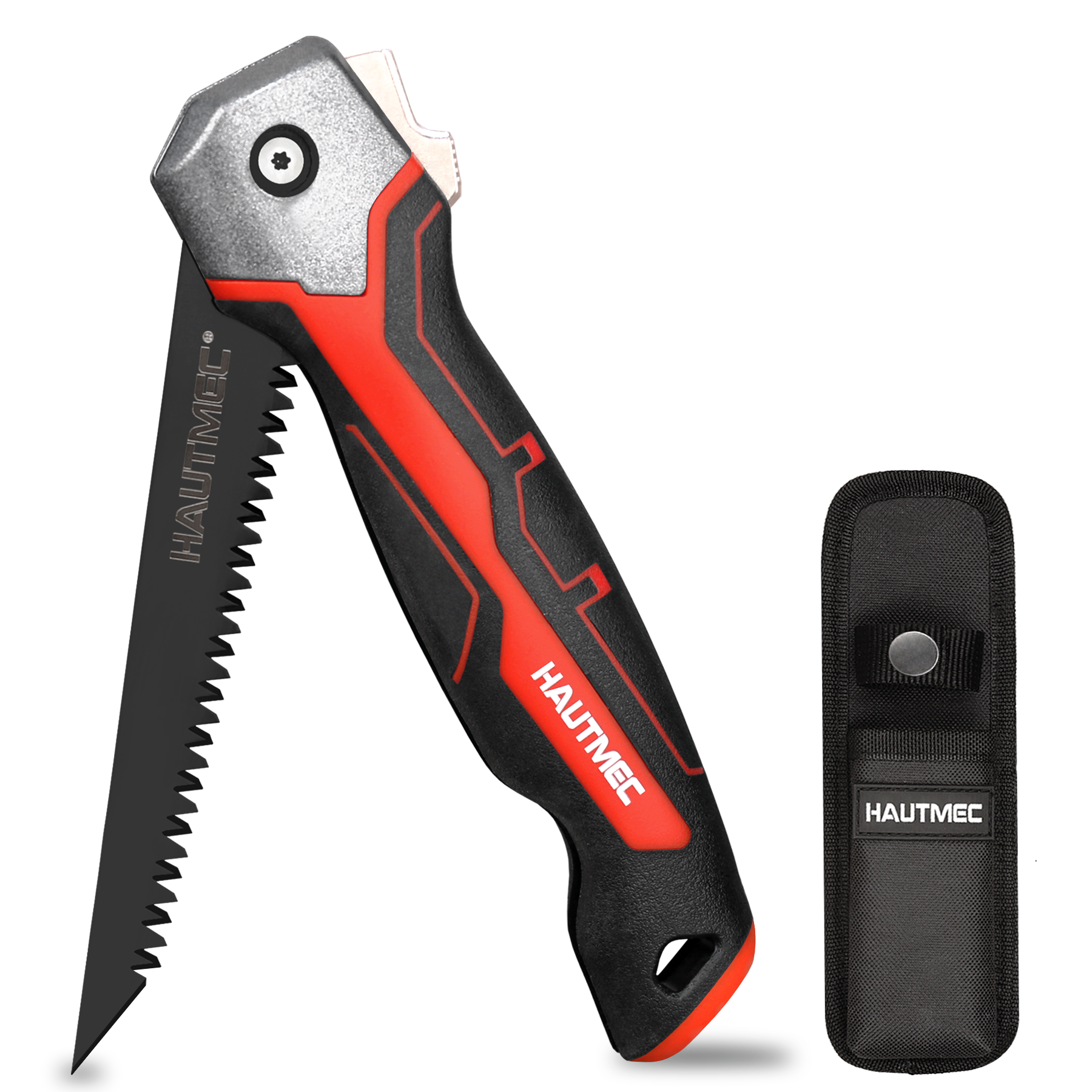
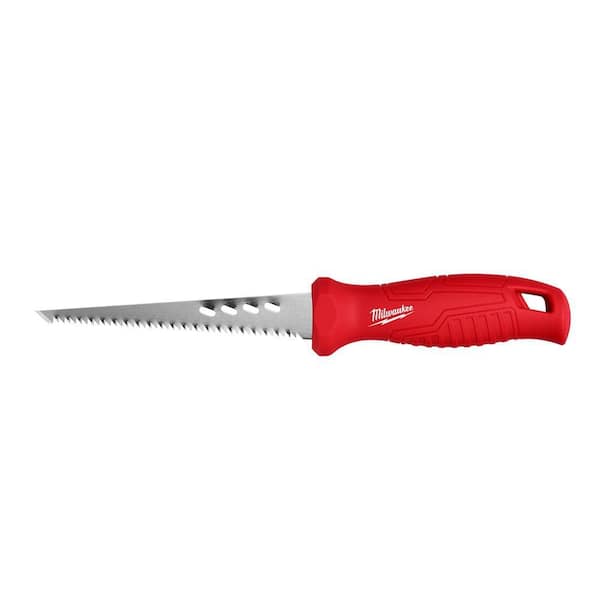
A jab saw is a specific kind of drywall saw. It has a pointed tip. The blade is narrow and tapering. You push it straight into the board to start a cut. That is called a plunge or jab cut.
Both tools help cut drywall. But they shine in different tasks. Knowing the difference saves time and effort. It also reduces damage to wiring and pipes behind walls.
Key differences at a glance
- Blade shape and tip — Drywall saws can be flat or wide, while jab saws have a pointed tip for plunging.
- Cutting style — Drywall saws often start from the edge. Jab saws start by stabbing into the board.
- Precision — Jab saws give cleaner, tight holes. Drywall saws handle larger, straight cuts well.
- Speed — Drywall saws can remove more material fast. Jab saws are slower but controlled.
- Size and reach — Drywall saws range from short to long blades. Jab saws are usually compact and easy in tight spots.
- Best uses — Drywall saws suit long, straight cuts and trimming. Jab saws work for outlet boxes, vents, and keyholes.
- Safety — Both are manual. Jab saws can slip if used carelessly because of the pointed tip.
If you compare drywall saw vs jab saw, think about the cut shape and access. Choose the one that matches the task.
When to use a drywall saw vs jab saw
- Cutting panel edges — Use a drywall saw for long straight cuts or trimming panel edges. It moves material quickly.
- Making outlets and boxes — Use a jab saw for small box openings and keyholes. The pointed tip is ideal for starting in the middle.
- Replacing a patch — Use a jab saw to cut neat patch shapes. Then finish edges with a rasp or a utility knife.
- Tight spaces — Use a jab saw when you must plunge near pipes or wiring. You can control entry and angle.
- Rough demo — Use a standard drywall saw when speed matters and finish is not critical.
Personal note: I once used a long drywall saw for a bathroom wall. The long blade cut fast. But when I needed to cut around a switch, I switched to a jab saw. The jab saw saved the wiring and made a neat hole. That small switch changed the job from messy to tidy.

How to use each tool safely and effectively
How to use a drywall saw
- Mark your cut with a pencil and straightedge.
- Start from an edge if possible. Insert the blade and saw in smooth strokes.
- Keep the blade angle shallow to avoid tearing the paper face.
- Finish with a rasp or sandpaper to smooth edges.
How to use a jab saw
- Mark the center of your opening.
- Hold the board steady. Point the jab saw tip at your mark.
- Push firmly to plunge in. Then saw outward to shape the hole.
- Make several small jabs instead of one hard stab if you feel resistance.
Safety tips for both
- Wear eye protection and a dust mask to avoid fine gypsum dust.
- Scan for wires and pipes with a stud finder that detects live wiring.
- Keep hands away from the cut line. Move slowly near electrical boxes.
- Replace dull blades. Dull blades slip and tear the drywall paper.
PAA-style quick questions
What is easier for a DIYer: drywall saw or jab saw?
- For simple outlet holes, a jab saw is easier. For long straight lines, a drywall saw is simpler and faster.
Can a jab saw cut through metal studs?
- No. Jab saws are for gypsum board and wood. Use a metal-cutting tool or rotary cutter for metal studs.
Which tool makes less dust?
- Manual saws both make dust, but jab saws make less overall dust because they remove less material.
Choosing the right tool and accessories
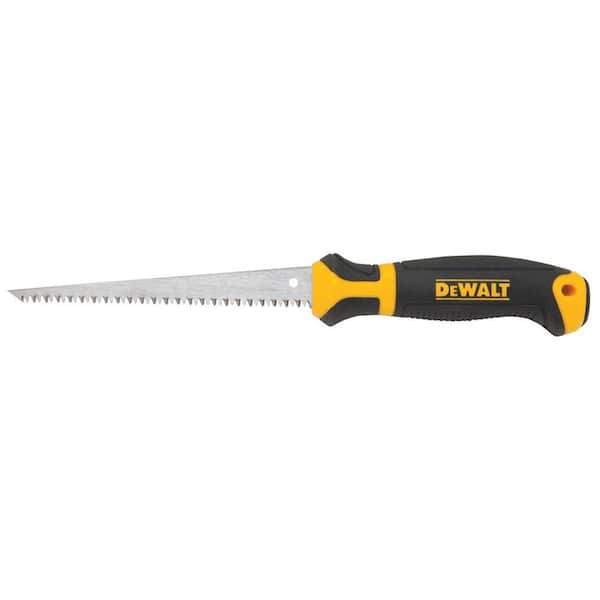
Consider blade length and tooth count
- Longer blades remove more material per stroke. They suit long cuts.
- Finer teeth give smoother edges on finish cuts. Coarse teeth cut faster for demo.
Choose handle comfort
- Look for rubber grips. A secure grip reduces fatigue and mistakes.
- Some jab saws have pistol grips. They give better control for plunge cuts.
Maintenance and blade care
- Clean gypsum dust off the blade after use.
- Replace the blade when it dulls or bends. A sharp blade cuts clean and is safer.
Power tools and alternatives
- Keyhole saw is another name for some jab saws.
- Oscillating multi-tools can make clean drywall cuts with less dust.
- Reciprocating saws cut fast but can damage wires if used blindly.
Real-world tip from my work
- I keep both tools in my bag. For new construction, I reach for a drywall saw first. For retrofit work or repairs, I grab a jab saw. That small habit saves time and prevents damage.

Frequently Asked Questions of drywall saw vs jab saw
What is the main difference between a drywall saw and a jab saw?
The main difference is the tip and use. A jab saw has a pointed tip for plunge cuts. Drywall saws include broader shapes for longer cuts.
Can I use a jab saw for large cuts?
You can, but it is slow and tiring. For large or straight cuts, a larger drywall saw or a power tool is better.
Are jab saws dangerous around wiring?
They can be if you jab blindly. Always scan for live wires and start cuts from an edge when possible.
How do I make a perfect outlet hole with a jab saw?
Mark the outline, score the paper, then plunge at several points and saw along the lines. Finish with a rasp for clean edges.
Which tool gives smoother edges for finishing?
Finer-tooth drywall saws and careful jab saw work both give smooth edges. Finish by sanding or rasping for a clean look.
Is a drywall saw the same as a keyhole saw?
Often yes. Keyhole saw is a general term that covers jab saws and other narrow-blade saws used for small openings.
Conclusion
Choosing between a drywall saw vs jab saw comes down to the task. Use a drywall saw for long, fast cuts. Use a jab saw for plunge cuts and tight openings. Keep blades sharp, wear protection, and scan for wiring. Try both tools on scrap drywall to feel the difference. If you liked this guide, try one of these tools on a small test cut, then share your results or questions below.