A garden kneeler offers knee protection; a garden stool gives seated comfort and easier mobility.
As a gardener and product tester with years of hands-on experience, I’ve tried dozens of tools and sat through long planting sessions. This guide compares garden kneeler vs garden stool in clear terms you can use today. I’ll explain what each tool is, who benefits most, real-world pros and cons, buying tips, and maintenance advice. By the end you’ll know which fits your body, your garden tasks, and your budget.

What is a garden kneeler?
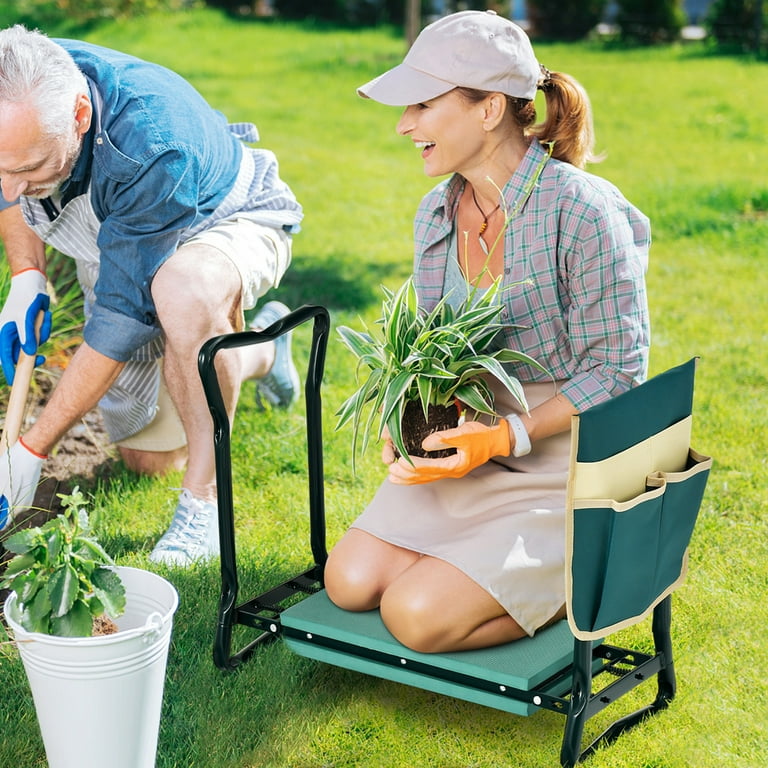
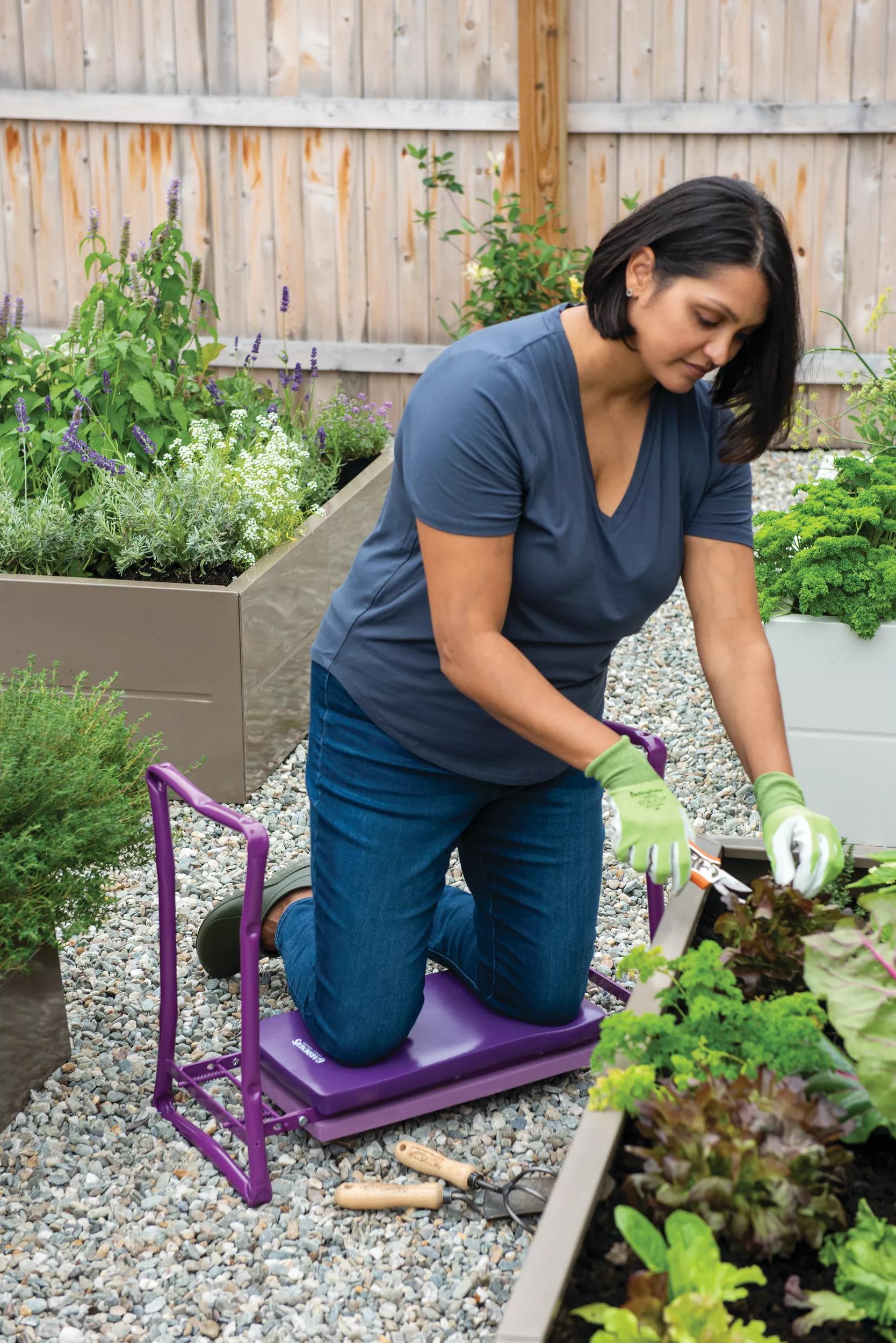
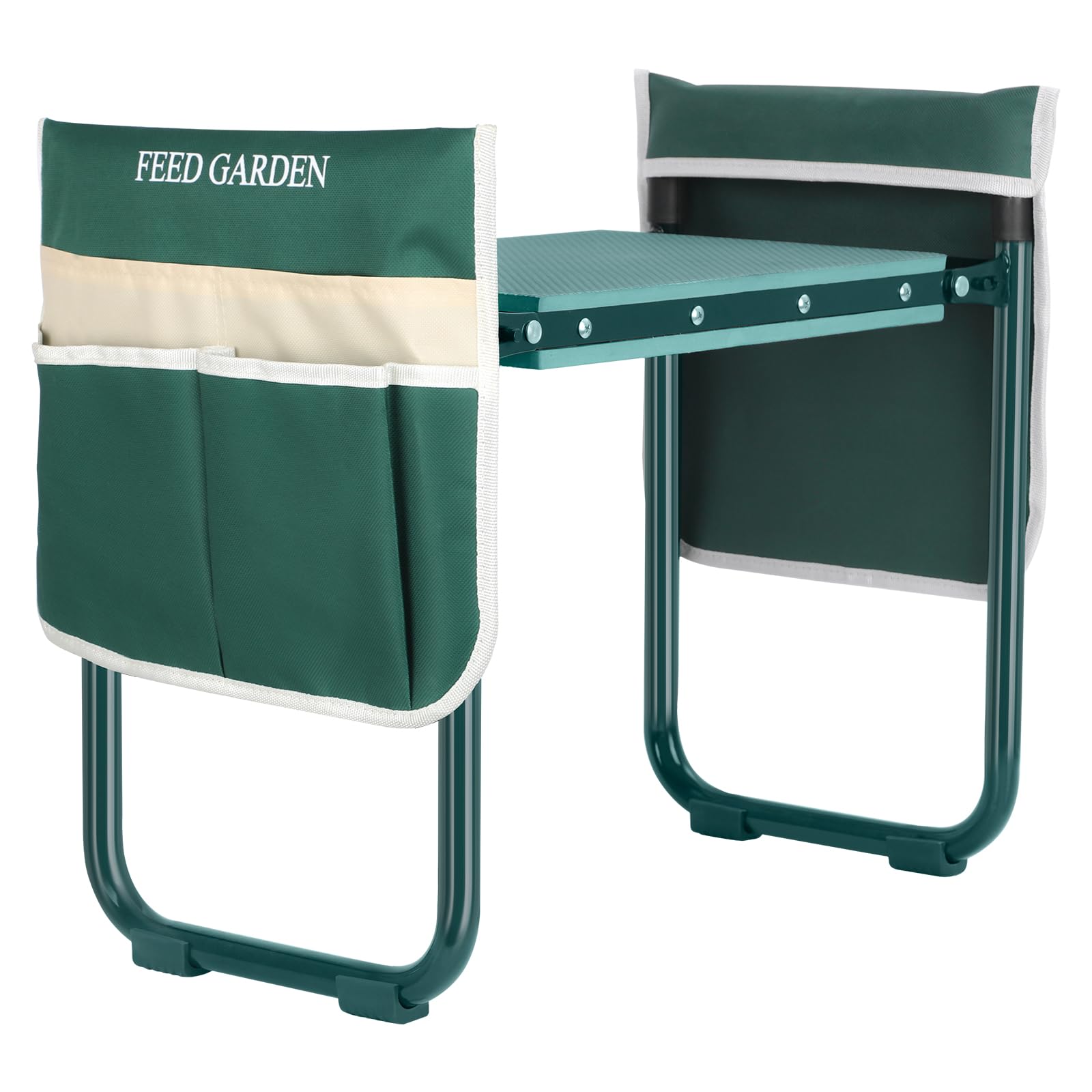
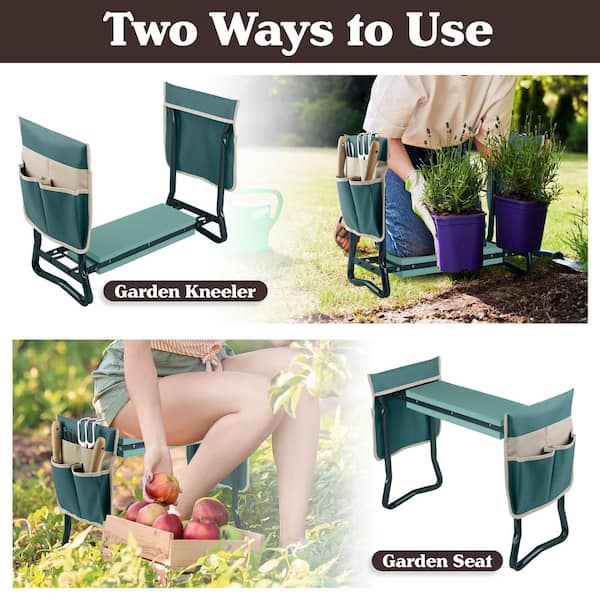
A garden kneeler is a pad or hinged frame designed to protect your knees while working close to the ground. It often folds into a low bench and has soft foam padding and handles for support. Many models convert between a kneeling pad and a low seat. A garden kneeler is ideal for tasks like weeding, planting, and bulb care where you spend time low to the soil.
What is a garden stool?
A garden stool is a small seat made for working at a slightly higher level while seated. It can be simple plastic, metal, or wooden, and some swivel or have tool trays built in. Garden stools let you sit upright to prune, pot, or trim without bending over. They are best when tasks require more reach or when knee pain makes kneeling difficult.

Garden kneeler vs garden stool: side-by-side comparison
Below is a practical comparison across common decision points. This helps pick based on posture, portability, and task type.
- Posture and body support
- Garden kneeler protects knees and encourages kneeling. It also lets you rise using handles.
- Garden stool supports the butt and lower back, reducing bending strain.
- Typical tasks
- Garden kneeler is best for low tasks: planting, weeding, and soil-level inspection.
- Garden stool fits medium-height tasks: potting on a bench, pruning lower shrubs, and harvesting.
- Portability and storage
- Garden kneelers often fold flat and are light for carrying around beds.
- Garden stools vary; some stack or fold but many are bulkier than kneelers.
- Comfort and cushioning
- Kneelers use thick foam for knee comfort; extended kneeling still tires thighs.
- Stools provide longer seated comfort and can include padded seats.
- Stability and safety
- Kneelers with handles act as step supports and reduce fall risk when standing.
- Stools need good footing; choose models with non-slip feet for uneven ground.
- Price and value
- Both have budget to premium models; kneelers typically cost less at entry level.
- High-end stools with tool trays or adjustable height cost more but add versatility.

Benefits and limitations of each
Understand strengths and trade-offs before you buy.
- Garden kneeler benefits
– Protects knees and reduces joint pain.- Double function as a seat and kneeling pad.
- Lightweight and easy to store.
- Garden kneeler limitations
- Not ideal if you cannot kneel at all.
- Can strain thighs or hips after long use.
- Garden stool benefits
- Keeps you upright and saves the lower back from bending.
- Better for longer tasks that need seated stability.
- Some models include storage for tools.
- Garden stool limitations
- Less knee protection when you must reach low.
- Bulkier to move across a yard.

How to choose: which one fits you?
Decide by matching the tool to your body, tasks, and work style.
- If you have knee pain but can kneel briefly
- Choose a cushioned garden kneeler with handles to help stand.
- If kneeling is impossible or painful
- Choose a garden stool with a padded seat and correct height.
- If you do a mix of tasks
- Pick a convertible kneeler/seat model or get both if budget allows.
- If storage or budget is tight
- Consider a simple foldable kneeler for compact storage.
- If you need tool carry and durability
- Look for stools with trays, strong frames, and weather-resistant materials.
Personal tip: Measure your garden benches and work surfaces. Buy a stool height that lets your elbows rest at bench level while sitting. Try to test a model in-store to check seat comfort and balance.
Maintenance, safety, and care tips
Proper care extends life and keeps you safe.
- Cleaning
- Wipe foam kneelers with mild soap and water; air dry fully.
- Clean stool seats and frames to avoid rust and mildew.
- Storage
- Store indoors in winter to prolong materials.
- Fold kneelers flat and hang or stack stools to save space.
- Safety checks
- Inspect handles, hinges, and feet regularly for wear.
- Replace or repair cracked plastic or thinning foam.
- Ergonomics
- Switch positions often to avoid strain.
- Use a kneeler with handles to stand safely, and a stool with non-slip feet.
Personal experience and real-world testing notes
I’ve used both tools for years across vegetable beds, raised planters, and container gardens. Here are honest lessons.
- What worked for me
- A foam kneeler with sturdy handles cut my gardening sessions in half because I could kneel, weed, and stand quickly.
- A rolling stool saved my back during long potting sessions and let me keep tools on a tray.
- Mistakes to avoid
- Don’t skimp on thin foam; it flattens fast and hurts your knees.
- Avoid stools without non-slip feet if you work on mulch or slight slopes.
- Practical tip
- Combine a kneeler and a small stool in your shed. Use the kneeler for beds and the stool for potting. This mix covers almost all tasks.
Common user questions answered (PAA-style)
- Is a garden kneeler better for knee pain?
- Yes, a padded kneeler reduces direct pressure on the knee, which helps with mild to moderate knee discomfort.
- Can a garden stool reduce back strain?
- Yes, sitting upright on a stool reduces repetitive bending and can ease lower back pain during longer tasks.
- Do convertible kneelers work well?
- Convertible models are very handy. They provide both kneeling comfort and a low seat, but check weight capacity and hinge strength.
- Which is more durable outdoors?
- Metal-framed stools and kneelers with rust-resistant finishes last longer. PVC foam kneelers degrade faster in sun exposure.
- Are wheels a good feature?
- Wheels help with mobility but add complexity and potential instability on uneven ground. Choose locking wheels for safety.

Frequently Asked Questions of garden kneeler vs garden stool
Which is better for seniors: a garden kneeler or a stool?
For many seniors, a garden stool is better because it avoids repeated kneeling. If knees are healthy but balance is an issue, a kneeler with strong handles can still be useful.
Can a garden kneeler double as a seat?
Yes. Many garden kneelers flip to become low seats. This dual use adds value if you switch between tasks often.
How do I choose the right height for a garden stool?
Measure the height of surfaces you work at and choose a stool that lets your elbows rest comfortably at bench level while seated. Aim for a posture that keeps shoulders relaxed.
Are cushioned kneelers worth the cost?
Cushioned kneelers often provide better long-term comfort and reduce pressure points, making them worth the extra cost for heavy gardeners.
Is it okay to use a stool on uneven ground?
Use stools with wide bases and non-slip feet on uneven ground. Avoid lightweight or narrow-based stools that tip easily.
Conclusion
Choosing between a garden kneeler vs garden stool comes down to comfort, mobility, and the tasks you do most. If you spend time close to soil and can kneel safely, a cushioned kneeler saves your knees and helps you work longer. If kneeling is painful or you do longer seated tasks, a sturdy garden stool protects your back and increases endurance. Try both if you can, or start with a convertible kneeler-seat for the best of both worlds. Ready to make a choice? Test a model or pick one based on your most frequent tasks, and leave a comment about what worked for you.