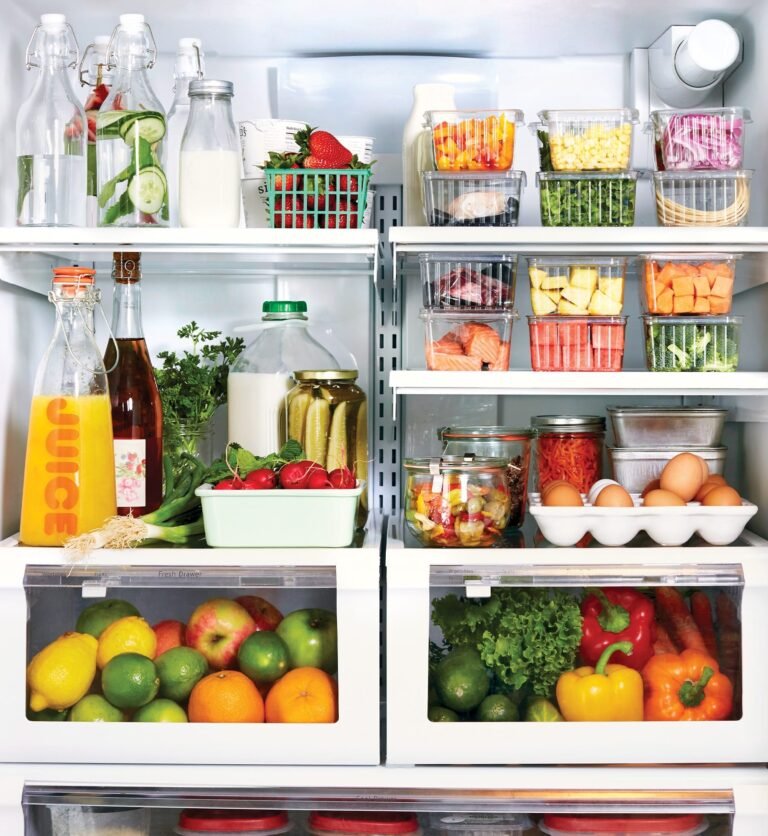
Wipe, wash, and dry storage bins regularly with mild soap and vinegar for lasting, odor-free results.
I’ve spent years organizing homes, garages, and small businesses, so I know what works and what fails when caring for storage containers. This guide explains how to clean and maintain storage bins step by step, with practical tips for plastic, fabric, metal, and wood bins. Read on to learn easy routines, stain and odor fixes, and simple maintenance habits that keep stored items safe and bins lasting longer.

Why clean and maintain storage bins?
Clean, well-maintained storage bins protect your items from dust, pests, stains, and odors. Regular care also prevents plastic from yellowing, fabric from mildewing, and metal from rusting. A quick clean every few months saves time and money by avoiding deep scrubs or early replacement.
Common benefits include:
- Longer bin life and better resale value.
- Healthier storage for clothing, toys, and food items.
- Easier access because labels and lids stay functional.
Common causes of bin damage:
- Dirt and grime buildup.
- Moisture trapped inside.
- Sun exposure and temperature swings.
Quick PAA-style questions
How often should I clean storage bins?
Clean active-use bins every 3 months and long-term storage bins before packing and after unpacking. Wipe inspections monthly.
Can I use bleach on plastic bins?
A mild bleach solution works for mold on hard plastic, but rinse well and air-dry to avoid residue. Test a small area first.
Will sunlight damage bins?
Direct sunlight can warp or fade plastics and weaken fabric; store bins in shaded, cool areas when possible.

What you'll need before cleaning
Gather a small kit so cleaning goes fast and well. Use gentle tools and safe cleaners to avoid harming materials.
Essential supplies:
- Soft cloths or microfiber towels.
- Soft-bristled brush or toothbrush for crevices.
- Mild dish soap.
- White vinegar or an all-purpose cleaner.
- Baking soda for odors.
- Rubber gloves and a bucket.
- Towels or a drying rack.
Optional items for tough jobs:
- Rubbing alcohol for sticky labels.
- Baking soda paste for stains.
- A diluted bleach solution for severe mold on hard surfaces.
Always read manufacturer care instructions when available. For sealed or electronic-storage boxes, follow maker guidelines.

Step-by-step: how to clean and maintain storage bins
Follow these simple steps for routine cleaning that keeps bins fresh and functional.
- Empty and sort
- Remove everything and sort items into keep, donate, or discard piles.
- Check items for stains, pests, or moisture damage before returning them.
- Dust and shake out
- Take bins outside and shake out loose debris.
- Use a dry cloth or brush to remove dust from corners and lids.
- Clean interior and exterior
- Mix warm water with a few drops of dish soap or 1 cup vinegar per gallon for a gentle cleaner.
- Wipe with a cloth or scrub lightly with a soft brush. For fabric liners, spot clean per fabric care.
- Rinse and dry
- Rinse with clean water or wipe down with a damp cloth.
- Dry thoroughly in sun or a well-ventilated area. Moisture is the main cause of mildew.
- Sanitize if needed
- For bins that held food or mold, sanitize with a mild bleach solution (1 tablespoon bleach per gallon) and rinse well.
- Or use a 70% isopropyl alcohol wipe for quick sanitizing on non-porous surfaces.
Maintenance tips to finish
- Label bins clearly before refilling.
- Place silica gel packs or moisture absorbers inside for sensitive items.
- Don’t overpack—leave a little airspace to prevent crushing and to allow airflow.
This routine answers how to clean and maintain storage bins in a reliable, repeatable way. Small, frequent steps beat big, rare cleanings.

Deep cleaning, stain removal, and odor control
For tough grime, odors, or mold, deeper methods work without damaging bins.
Stain removal
- Baking soda paste works on many stains: mix with water, apply, wait 15 minutes, scrub, rinse.
- For sticky residues from labels, use rubbing alcohol or oil-based cleaners then wash with soap.
Mold and mildew
- Move bin outdoors and scrub with vinegar or a diluted bleach solution for hard plastics.
- For fabric-lined bins, sun-dry and use enzyme cleaner designed for fabrics. If mold persists, consider replacing the fabric liner.
Odor control
- Sprinkle baking soda in the bin, leave overnight, then vacuum or wipe out.
- Activated charcoal or coffee grounds in a breathable bag also absorb smells.
- For persistent smells, wash and dry the bin, then air it in sunlight for several hours.
Safety note
- Always ventilate when using bleach or strong cleaners. Wear gloves and follow label instructions.

Maintenance schedule and storage best practices
A simple schedule keeps work light and results lasting.
Routine schedule
- Weekly: Quick visual check of active bins for spills or pests.
- Monthly: Wipe exterior and check labels; shake out dust.
- Every 3 months: Empty, clean interior, and inspect for damage.
- Before long-term storage: Deep clean, dry, and add moisture control packs.
Best practices for placement and packing
- Store bins off floors on shelves or pallets to avoid damp.
- Keep bins out of direct sunlight and away from heat sources.
- Use clear bins for visibility or label opaque bins on multiple sides.
- Rotate seasonal items so nothing sits compressed for too long.
Personal tip from experience
- I store a set of seasonal clothes in clear bins. I clean each bin before packing and tuck a small dryer sheet inside. When unsealing months later, the clothes smell fresh and require no rewashing.

Material-specific tips
Different materials need slightly different care. Here are easy rules.
Plastic bins
- Best cleaned with soap, water, and vinegar.
- Avoid strong solvents that can weaken plastic.
- For yellowing, a diluted hydrogen peroxide soak can help sun-bleach stains.
Fabric bins
- Spot clean and air-dry. Check tags for machine washing.
- Use fabric-safe enzyme cleaners for organic stains.
- Store folded flat to keep shape.
Metal bins
- Wipe dry after cleaning to prevent rust.
- For surface rust, use fine steel wool and oil, then wipe clean.
- Consider a clear protective spray for long-term storage.
Wood or wicker bins
- Dust and spot clean; avoid soaking.
- Use a damp cloth and mild soap, then dry quickly.
- Apply a light coat of furniture polish when needed.
These tips make it easier to answer how to clean and maintain storage bins regardless of material.
Common mistakes and troubleshooting
Avoid these errors that shorten bin life or harm contents.
Mistakes to avoid
- Storing wet items inside bins; always dry first.
- Using strong cleaners on porous or colored materials without testing.
- Overfilling bins, which can crack lids or warp shapes.
- Leaving bins on damp concrete floors.
Troubleshooting quick fixes
- Warped lids: allow bins to rest flat and warm to reshape, or replace warped lids.
- Persistent damp smells: remove liner, sun the bin, and replace moisture absorbers.
- Broken latches: use heavy-duty tape or zip ties as a temporary fix; replace the bin for frequent failures.
Practical lesson
- I once stored garden cushions in sealed bins without drying them. Mold formed and I had to discard two cushions. Lesson learned: always dry and sun items before storage.

Frequently Asked Questions of how to clean and maintain storage bins
How often should I deep clean storage bins?
Deep clean before seasonal storage and at least every six months for bins in humid areas. Regular wiping every 1–3 months reduces the need for intense cleaning.
Can I clean plastic bins in the dishwasher?
Top-rack dishwasher may work for some hard plastics, but check the bin’s label. Heat can warp lower-grade plastics, so hand washing is usually safer.
What is the safest cleaner for all bin types?
Warm water with mild dish soap or a 1:4 white vinegar-to-water mix is safe for most bins. Avoid undiluted harsh chemicals on porous or colored materials.
How do I remove smells from storage bins quickly?
Use baking soda or activated charcoal inside the empty bin for 24–48 hours. Washing and sun-drying the bin also helps greatly.
Are silica gel packs necessary?
They’re helpful for moisture-sensitive items like photos, fabrics, and electronics. They aren’t required for all storage but add protection in humid climates.
Can I store food in plastic storage bins?
Only use food-grade containers for direct food storage. Regular storage bins are fine for packaged food but not for loose or perishable items.
Conclusion
Keeping storage bins clean and maintained is simple when you build small habits. Empty, wipe, dry, and inspect on a regular schedule to prevent stains, odors, and damage. Tailor cleaning methods to the material and use gentle cleaners first. Start today: pick one shelf of bins, empty and clean them, then set a 3-month reminder to repeat. If this helped, leave a comment with your toughest storage challenge or subscribe for more practical home-care tips.