Metal toolboxes are tougher; plastic toolboxes are lighter, cheaper, and resist rust.
I’ve spent years testing and carrying both on jobs and projects, so I know the real trade-offs in the metal toolbox vs plastic toolbox debate. This guide breaks down durability, weight, cost, maintenance, environmental impact, and best uses so you can pick the right toolbox for your needs. Expect clear comparisons, practical tips from hands-on experience, and a simple buying checklist to help you choose with confidence.
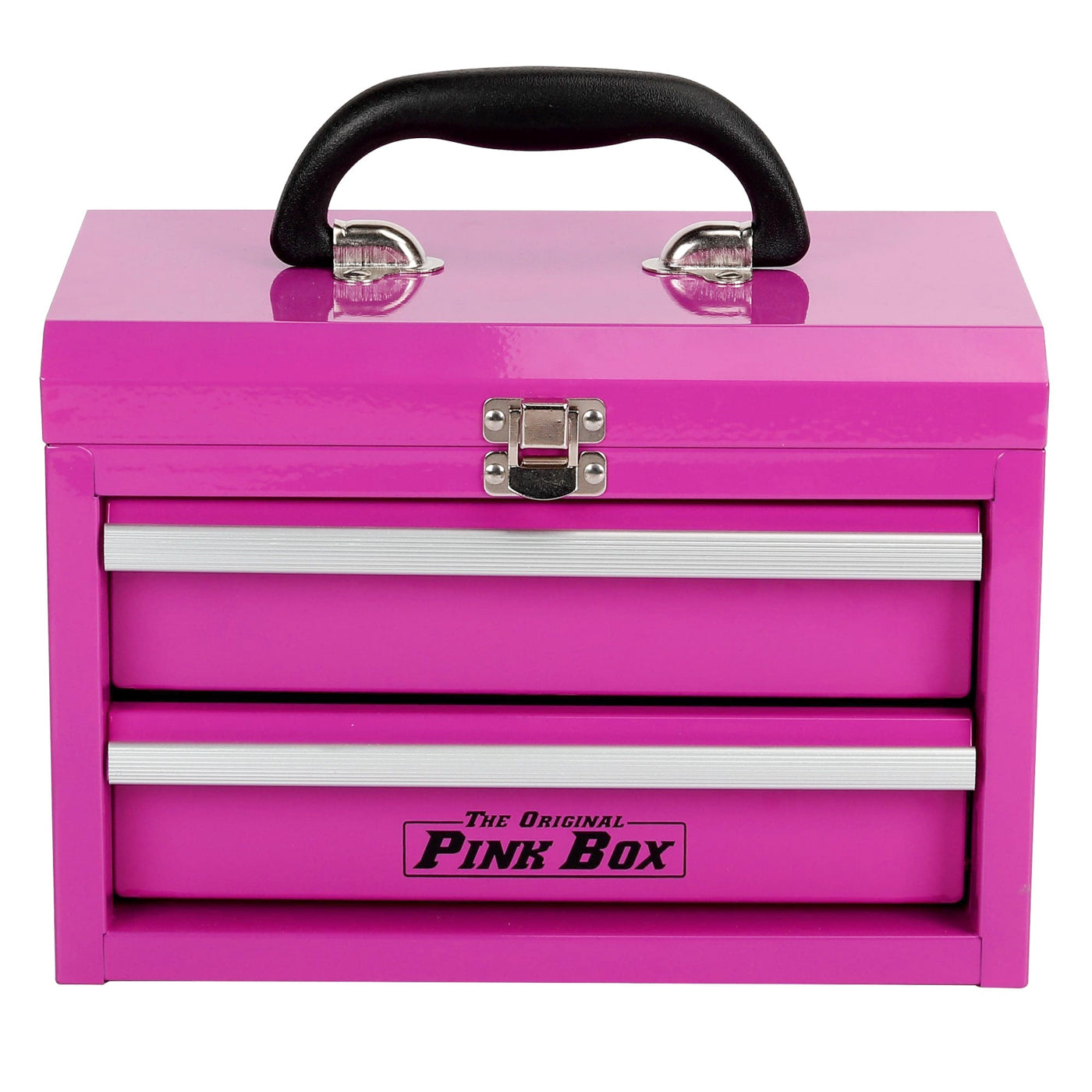
Advantages of a metal toolbox
Metal toolboxes shine where strength matters most. They handle heavy loads and rough handling without cracking. Steel or aluminum cases resist impact, and many have lockable latches and reinforced hinges for security. Metal toolboxes can be powder-coated or painted to help resist corrosion, although untreated steel can rust over time.
Common uses include professional mechanics, heavy-equipment techs, and any jobsite where tools face rough use frequently. I’ve used a steel toolbox for years for sockets and wrenches; it kept tools organized and survived drops that shattered plastic cases.
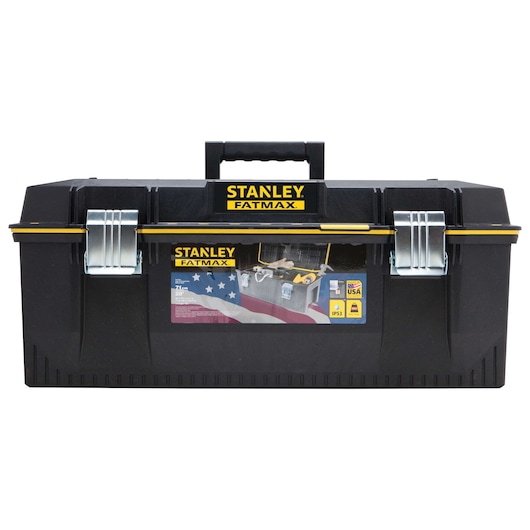
Advantages of a plastic toolbox
Plastic toolboxes win on weight, cost, and corrosion resistance. Modern high-density polypropylene and reinforced polymers offer good impact resistance while staying light. They do not rust, so they work well in damp garages, marine environments, or for seasonal outdoor use. Many plastic models include integrated organizers, removable trays, and molded pockets to keep fasteners tidy.
For weekend DIYers or tradespeople who move tools often, a plastic toolbox often reduces strain and transport fuel cost. I often choose a plastic case for outdoor summer jobs because it stays dry and is easy to toss in the truck.
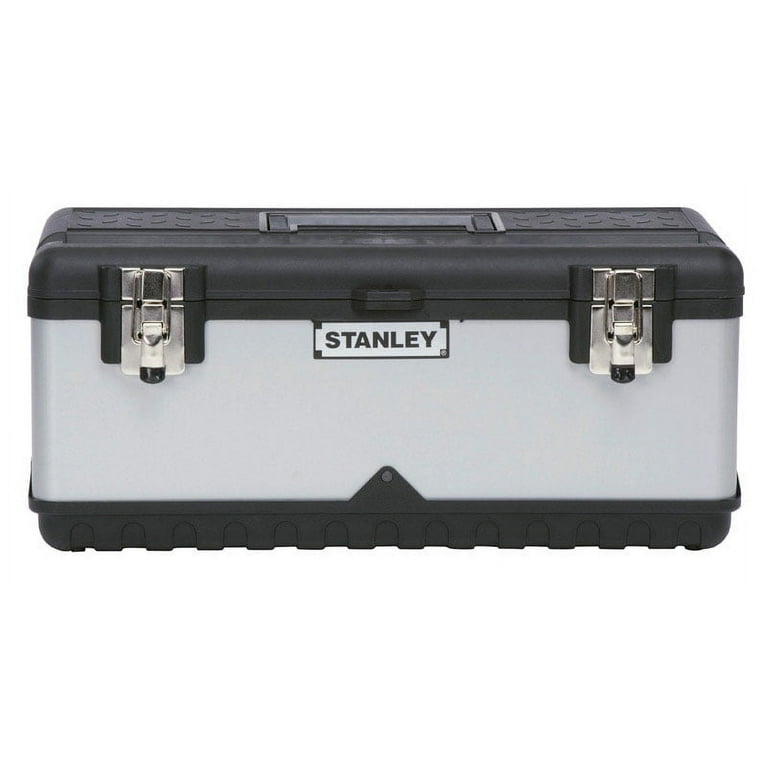
Metal toolbox vs plastic toolbox: head-to-head comparison
Here’s a simple side-by-side look at key factors to consider when comparing metal toolbox vs plastic toolbox.
- Durability and strength: Metal wins for heavy loads and high-impact resistance.
- Weight and portability: Plastic is lighter and easier to carry.
- Corrosion and weather resistance: Plastic resists rust; metal needs coatings or stainless alloys.
- Cost and value: Plastic is usually cheaper up front; metal often lasts longer, which can make it cheaper over time.
- Security: Metal locks and hasps are harder to pry open than thin plastic latches.
- Repairability: Dented metal can sometimes be hammered back; cracked plastic often needs replacement.
Is a metal toolbox or plastic toolbox better for outdoor work? For wet or salty conditions, a plastic toolbox resists corrosion better, but heavy-duty aluminum models also work well if rust protection is present.
Can a plastic toolbox replace a metal toolbox on a professional jobsite? It depends on task load; for hand tools and electronics, plastic can be fine; for heavy sockets and power tools, metal is often safer.
How long do either last? With proper care, metal toolboxes can last decades; good plastics last many years but can degrade under UV and heavy impact.

Maintenance, repair, and longevity tips
Keeping your toolbox functioning extends its life and protects tools. For metal toolbox vs plastic toolbox maintenance, follow these practices:
- Metal toolbox care: Clean regularly, dry thoroughly, and check paint for chips. Apply rust inhibitor where needed and tighten hardware.
- Plastic toolbox care: Keep out of prolonged direct sun to avoid UV brittleness. Clean with mild soap and avoid solvent cleaners that can weaken polymer.
- Repair advice: Replace broken hinges and latches quickly. For small rust spots, sand and repaint. For cracks in plastic, use epoxy or consider replacement if load-bearing.
From my experience, a little upkeep prevents major replacements and keeps tools organized and safe.

Environmental impact and recyclability
The environmental footprint differs between metal toolbox vs plastic toolbox. Steel and aluminum are highly recyclable and often reclaimed easily. Plastic can be recycled depending on polymer type, but mixed-material cases with metal parts complicate recycling. Manufacturing energy and transport weight also affect lifecycle emissions. Choosing a durable product that you use longer reduces overall impact.
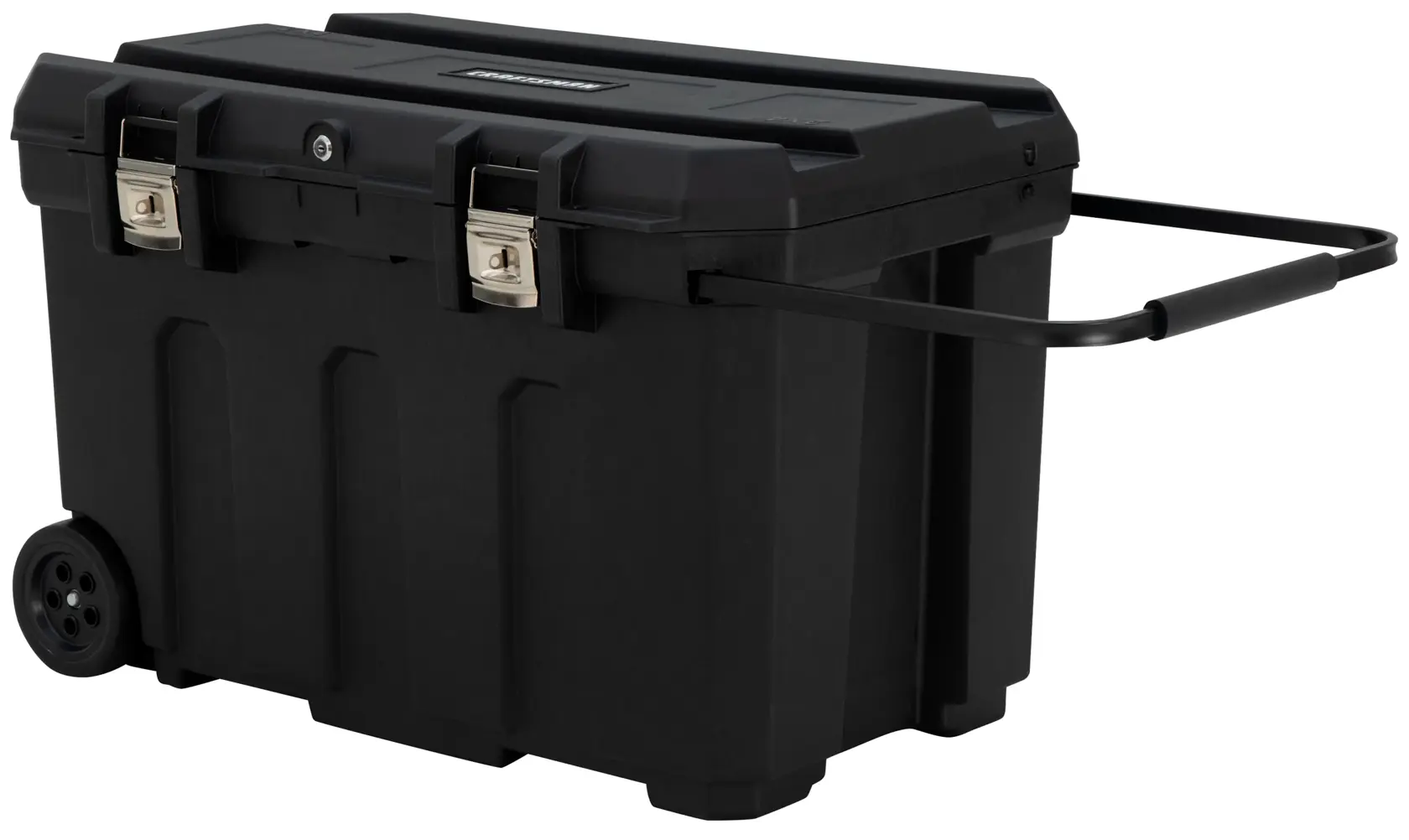
Best use cases and buyer recommendations
Match the toolbox to your routine. Here are targeted suggestions for common users:
- Professional mechanic or heavy tradesperson: Choose a metal toolbox for load strength, security, and long life.
- Mobile technician or contractor who moves daily: Choose a lightweight plastic toolbox for portability and weather resistance.
- DIYer and hobbyist: Plastic toolboxes often give great organization at low cost. Consider a hybrid approach: metal chest for heavy tools, plastic case for consumables.
- Marine or coastal work: Plastic or stainless/aluminum metal toolbox to resist corrosion.
Buying checklist:
- Capacity and weight: Pick a size you can carry comfortably.
- Material and corrosion protection: Look for powder coat or stainless options for metal; UV-resistant polymer for plastic.
- Latches and security: Choose lockable models with metal hasps if security matters.
- Organization features: Removable trays, dividers, and foam inserts improve workflow.
- Warranty and parts availability: Favor brands that sell replacement latches and hinges.

Source: ebay.com
Personal experience, tips, and mistakes to avoid
I’ve lugged both types for years. My lessons learned:
- Mistake to avoid: Buying the biggest metal chest you can’t move. I once bought a heavy metal case and rarely used half the capacity. It became dead weight.
- Practical tip: Combine a small metal chest for heavy hand tools with plastic tackle boxes for fasteners and bits. This cuts weight and keeps heavy items secure.
- Carry strategy: Use padded shoulder straps or wheeled carts when moving large metal toolboxes to avoid back strain.
- Security tip: If you keep expensive tools, invest in a metal toolbox with a reinforced lock and bolt it down in your vehicle.
These real-world tips cut costs and improve utility quickly.

Frequently Asked Questions of metal toolbox vs plastic toolbox
What is stronger: a metal toolbox or a plastic toolbox?
Metal is generally stronger and better suited for heavy loads and impact. High-grade plastic can handle many tasks but will crack under extreme stress.
Which toolbox is lighter to carry?
A plastic toolbox is almost always lighter, making it easier for mobile work and frequent transport.
Will a metal toolbox rust if exposed to moisture?
Yes, untreated steel can rust. Choose powder-coated, stainless, or aluminum options for better moisture resistance.
Are plastic toolboxes durable enough for professional use?
Some reinforced plastics are durable for professional light-duty use, but heavy trades often prefer metal for longevity and strength.
How do I decide between cost and longevity?
Consider total cost of ownership: cheap plastic may need replacement sooner, while metal may cost more upfront but last longer with proper care.
Conclusion
Choosing between a metal toolbox vs plastic toolbox comes down to weight, durability, environment, and how you work. If you need heavy-duty strength and security, pick metal. If you need portability, rust resistance, and a lower price, pick plastic. Try a hybrid setup if you want the best of both worlds. Take action: assess your tool list, test carry weight, and pick a toolbox that fits your daily routine. If this helped, share your setup or ask a question below — I’ll respond with hands-on advice.