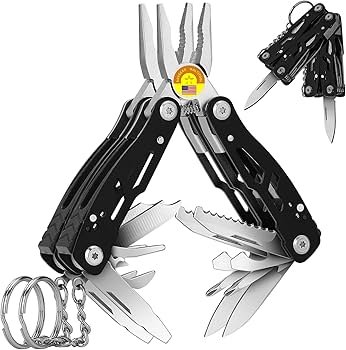
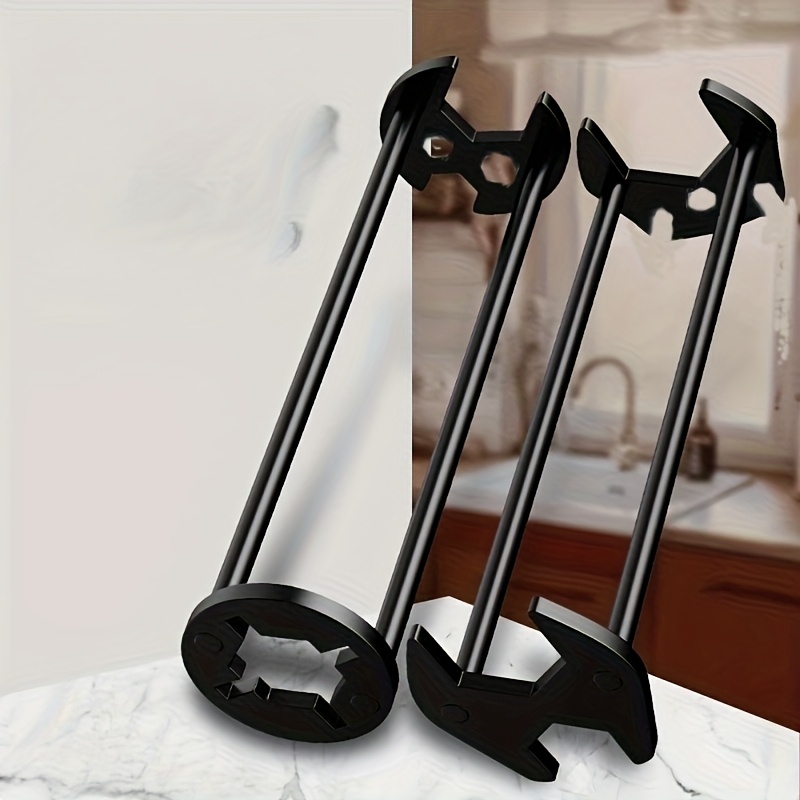
A multifunctional sink wrench saves time by fitting many fasteners under sinks.
I’ve used and tested many sink tools over the years, and this multifunctional sink wrench guide will help you pick, use, and care for the right wrench. I explain designs, uses, common problems, and real tips from hands-on experience so you can finish plumbing jobs faster and cleaner.

What is a multifunctional sink wrench?
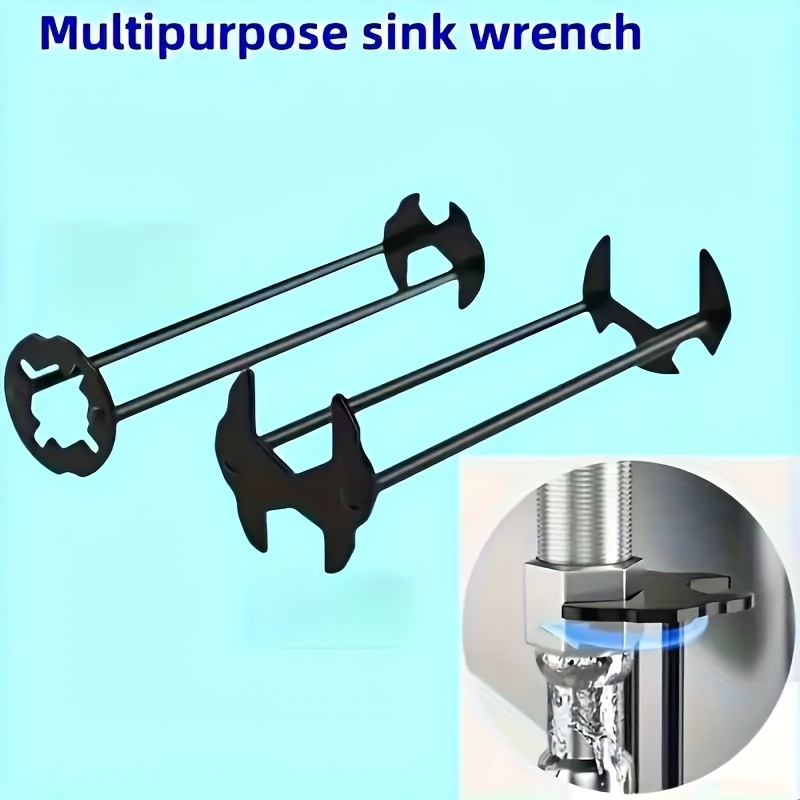
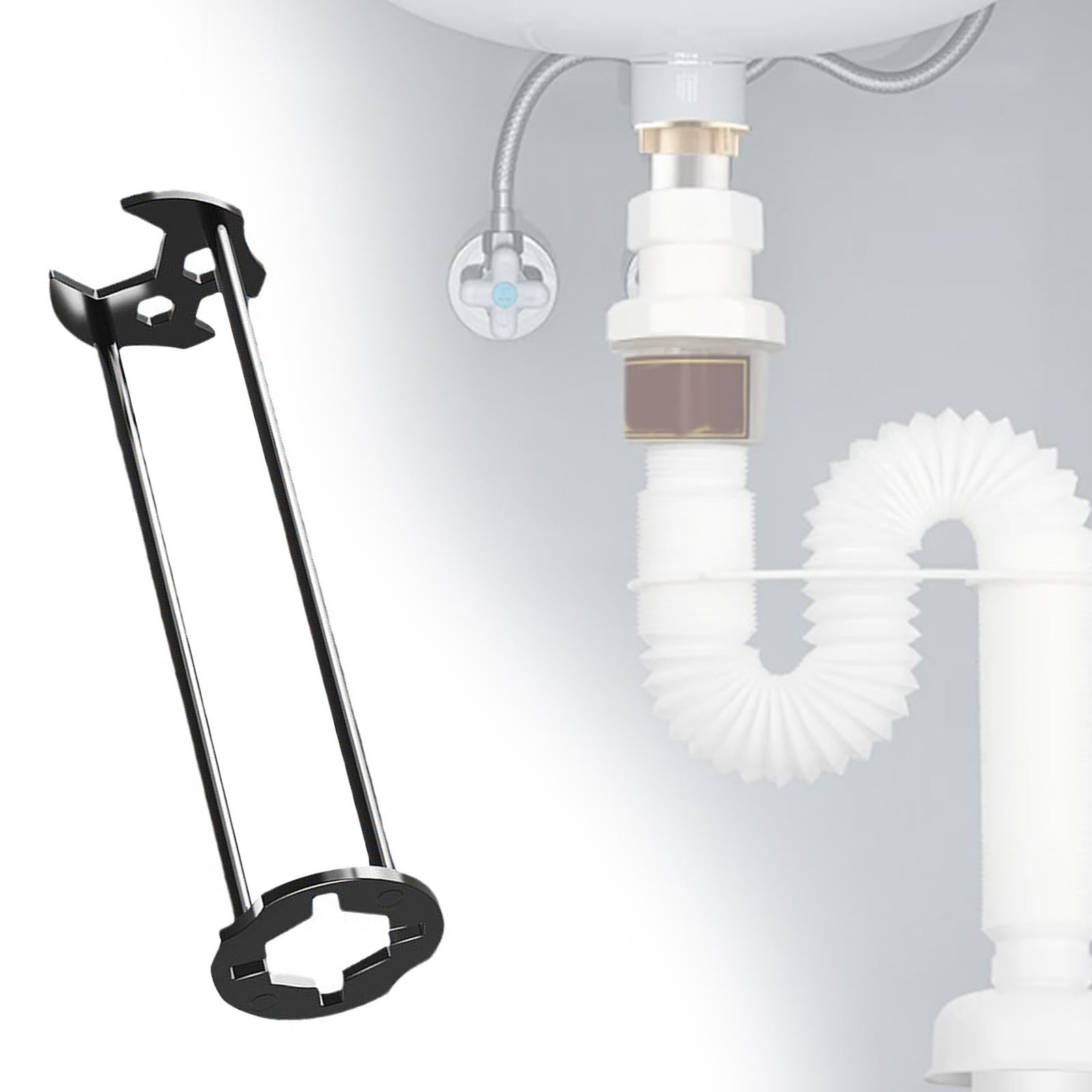
A multifunctional sink wrench is a tool made to reach and turn nuts and fittings in tight sink spaces. It often combines several jaw sizes, swivel heads, and long handles. The tool replaces multiple single-size wrenches and reduces fumbling under sinks. For DIYers and pros, it saves time and avoids scratches on pipes and fittings.
Why choose a multifunctional sink wrench?
A multifunctional sink wrench gives more reach, grip, and control in cramped cabinet spaces. It is designed for faucet nuts, supply line connections, and trap fittings. You get a single tool that fits many jobs. That lowers tool clutter and speeds up small repairs.
Types and key features
There are a few common designs and features to know.
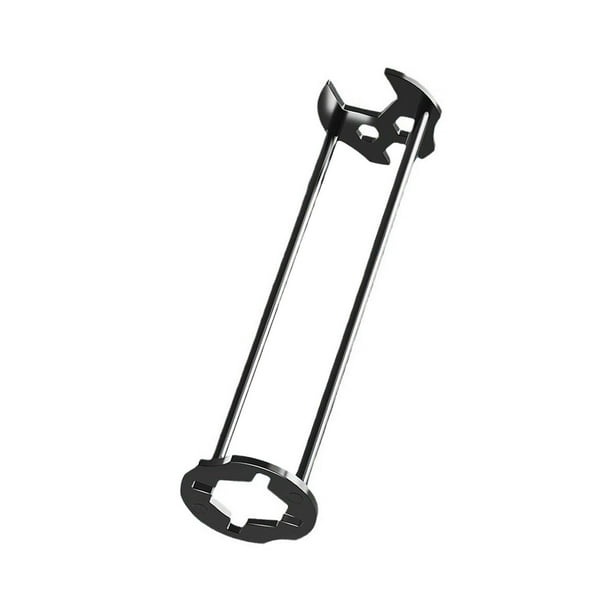
- Basin wrenches with long shafts and pivoting heads. These reach deep behind sinks.
- Crowfoot-style adjustable heads that fit multiple nut sizes. They work for varied fasteners.
- Ratcheting versions for continuous turning in tight spots. They save wrist motion.
- Interchangeable head systems that accept sockets or adapters. They add versatility.
Each type has trade-offs in size, torque, and ease of use. Choose the style that fits your most common tasks.
When to use a multifunctional sink wrench
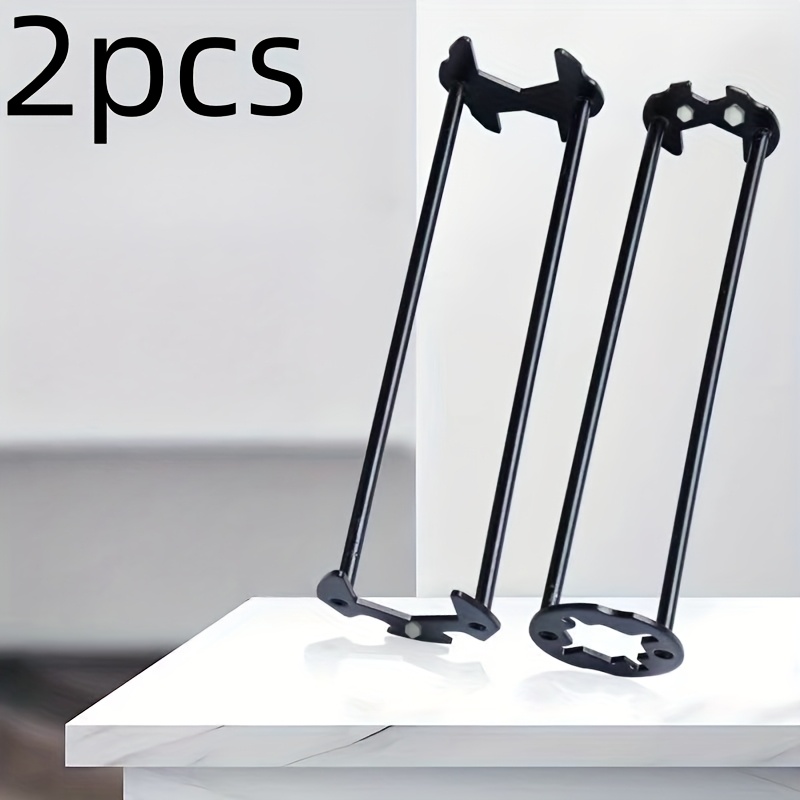
Use this tool for faucet installs, replacing supply lines, and working on sink traps. It is most helpful where space is limited and you cannot fit a regular wrench. Use it when you must avoid marring chrome or plastic parts. For heavy plumbing fittings, pair the wrench with penetrating oil or a second tool for counter-hold.

How to choose the right multifunctional sink wrench
Match the wrench to the job and your skill level.
- Consider reach and shaft length. Longer shafts reach deep mounting nuts.
- Check head pivot range. A wider swivel gives better angles.
- Look for ergonomic handles. They reduce hand fatigue during repeated work.
- Prefer corrosion-resistant materials. Chrome-plated steel or stainless parts last longer.
- Evaluate compatibility with sockets and adapters. That expands the wrench’s use.
I learned that a mid-length ratchet-style multifunctional sink wrench fits most home jobs well. Avoid cheap metal once; it bends under torque.
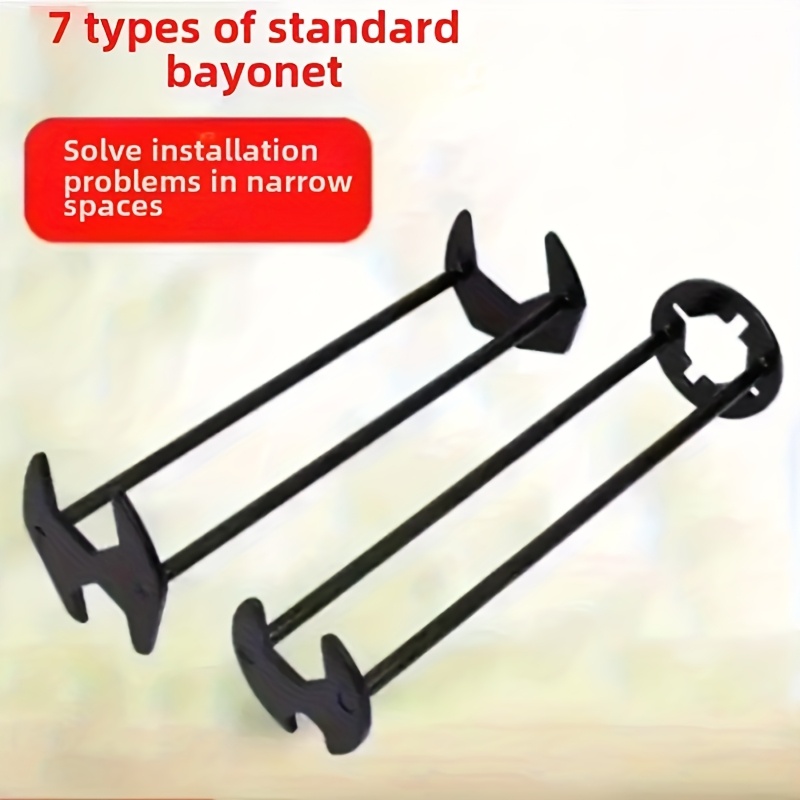
Step-by-step: How to use a multifunctional sink wrench
Follow these steps for safe, effective use.
- Turn off the water. Close shutoff valves and open faucet to relieve pressure.
- Clear the cabinet space. Remove items and use a flashlight for visibility.
- Choose the correct head or jaw. Match the nut size before positioning.
- Position the wrench under the sink. Use the pivot to align with the fastener.
- Apply steady pressure and turn slowly. Use ratchet action if available.
- Hold the mating fitting with a second tool if needed. This prevents twisting pipes.
- Inspect for leaks after reassembly and turn the water back on slowly.
Short, steady turns work better than hard jerks. If a nut sticks, apply penetrating oil and wait.

Maintenance and safety tips
Keep your multifunctional sink wrench ready and safe.
- Clean after use. Wipe off grime and dry to prevent rust.
- Lubricate pivot points with light oil. This keeps motion smooth.
- Inspect jaws for wear. Worn jaws slip and damage fittings.
- Store in a dry box or on a pegboard. Avoid leaving it in damp cabinets.
- Wear safety glasses when working under sinks. Debris and old sealant can fall.
A small routine care habit keeps the wrench reliable for years.
Common problems and quick fixes
You will meet a few common issues. Here’s how to handle them.
- Slipping jaws: Tighten adjustment or replace head inserts. Use a backup wrench to stabilize.
- Stuck nuts: Apply penetrating oil and wait 10–15 minutes. Heat carefully if metal and safe.
- Limited access: Use a low-profile head or socket adapter to gain clearance.
- Corrosion on parts: Replace corroded components or the wrench if structural strength is affected.
- Ratchet failure: Clean debris, lubricate pawl, or replace the ratchet head.
From my experience, patience plus the right adapter solves most stuck-nut problems.
Practical examples and real-life tips
Here are real tasks and how the wrench helps.
- Replacing a kitchen faucet: Use long-shaft basin wrench to reach retaining nuts without removing the faucet.
- Swapping supply lines: Use crowfoot head to match varied nut sizes quickly.
- Tightening trap connections: Use ratcheting jaw for quick turns in low spaces.
Tip: Put a rag over chrome fittings while turning the wrench to prevent scratches. I once avoided a costly refinish by padding the wrench with tape.
Alternatives and limitations
A multifunctional sink wrench is versatile but not always perfect.
- Regular wrenches and sockets offer higher torque for large fittings.
- Power tools speed bolts removal but may damage delicate plumbing.
- Specialty basin wrenches fit extreme depths better than compact multi-head models.
Understand limits: do not force thin tool heads against rusted heavy fittings. Use two tools or replace damaged components when torque is too high.
People also ask
How long does a multifunctional sink wrench last?
With regular care, a quality multifunctional sink wrench can last many years. Lifespan depends on material and use frequency.
Can one wrench replace a full set of tools?
It can replace several sink-specific tools but not all plumbing tools. Keep basic wrenches and pliers handy for heavy jobs.
Is a ratcheting head better?
Ratcheting heads save time in tight spaces and reduce wrist strain. They may add weight and cost.
Frequently Asked Questions of multifunctional sink wrench guide
What sizes do multifunctional sink wrenches cover?
Most models cover common sink nut sizes and include adjustable jaws or multiple heads. Check product specs to confirm fit.
Can I use this wrench on braided supply lines?
Yes. Use gentle pressure and hold the line’s nut steady to avoid twisting the tubing. Use two tools if needed.
How do I remove a stuck faucet nut under the sink?
Apply penetrating oil, wait, and use steady turns. Use heat only if materials are safe and accessible.
Are multifunctional sink wrenches good for metal and plastic fittings?
They work on both, but use less force on plastic to avoid cracking. Adjust grip and use a softer touch.
Do I need professional help to use one?
Most home repairs are doable with this wrench and patience. Call a pro for major plumbing or if leaks persist after repair.
Conclusion
This multifunctional sink wrench guide gives the key facts, steps, and tips to choose, use, and care for your wrench. With the right tool and simple habits you can fix most sink fittings quickly and safely. Try one on your next sink job, keep it clean, and share your results or questions below to learn more.