Wood filler is best for structural gaps; wood putty is for small, finished-surface repairs.
I’ve spent years fixing furniture, floors, and trim, and I know how confusing the wood filler vs wood putty debate can be. This guide explains what each product is, how they differ, when to use them, and practical tips from real projects so you can pick the right product and avoid costly mistakes.
:max_bytes(150000):strip_icc()/wood-filler-vs-wood-putty-7553299_Final-6be4f69a0f4144fc8c146fb6012d4bb7.jpg)
What is wood filler?
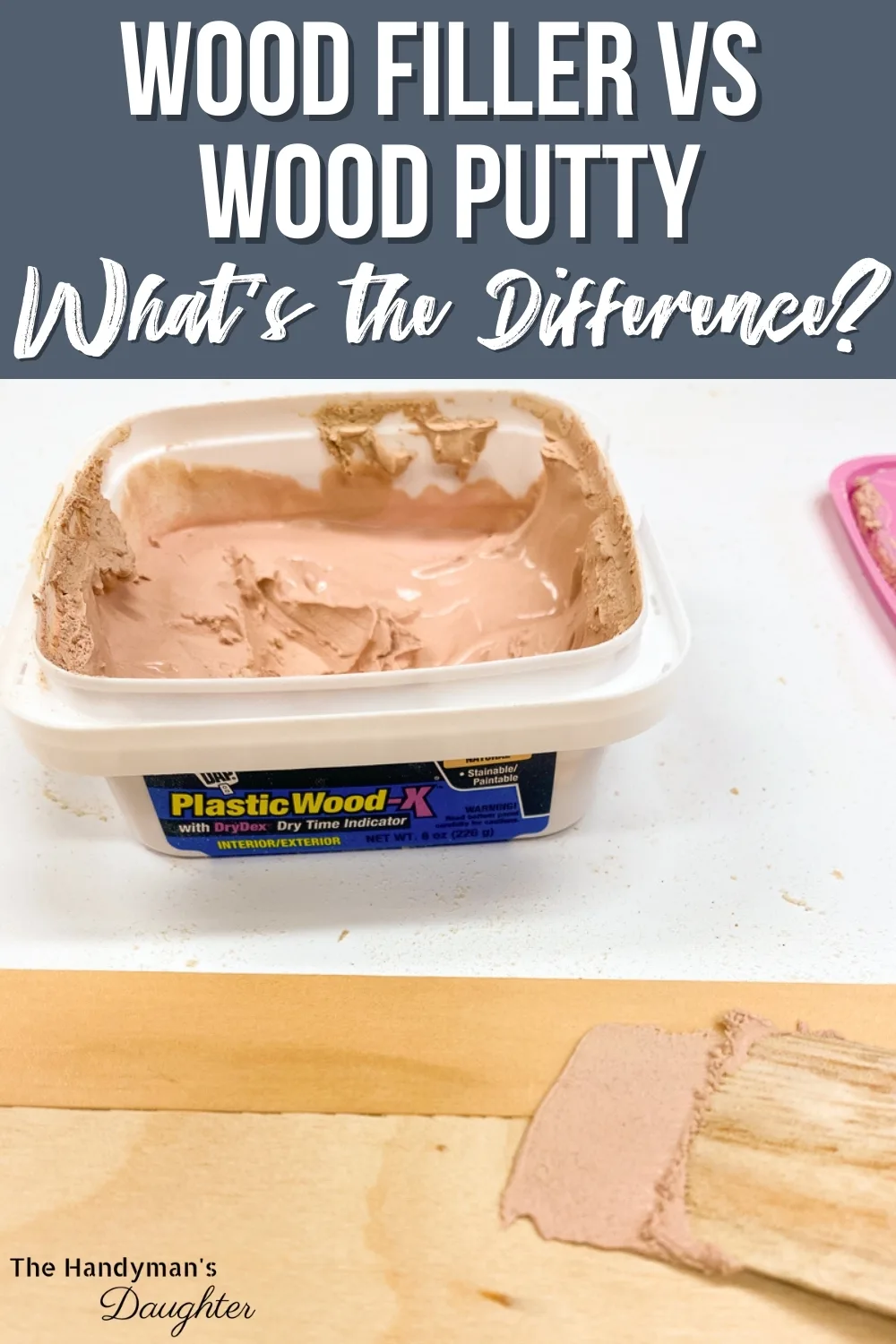
Wood filler is a solid repair compound made to fill holes, gouges, and gaps in raw or unsealed wood. It usually comes in a powdered form to mix with water or as pre-mixed paste. Wood filler hardens like wood, sands smooth, and accepts stain or paint better than putty. Use it when you need a durable, sandable repair that will be finished to match surrounding wood.
What is wood putty?
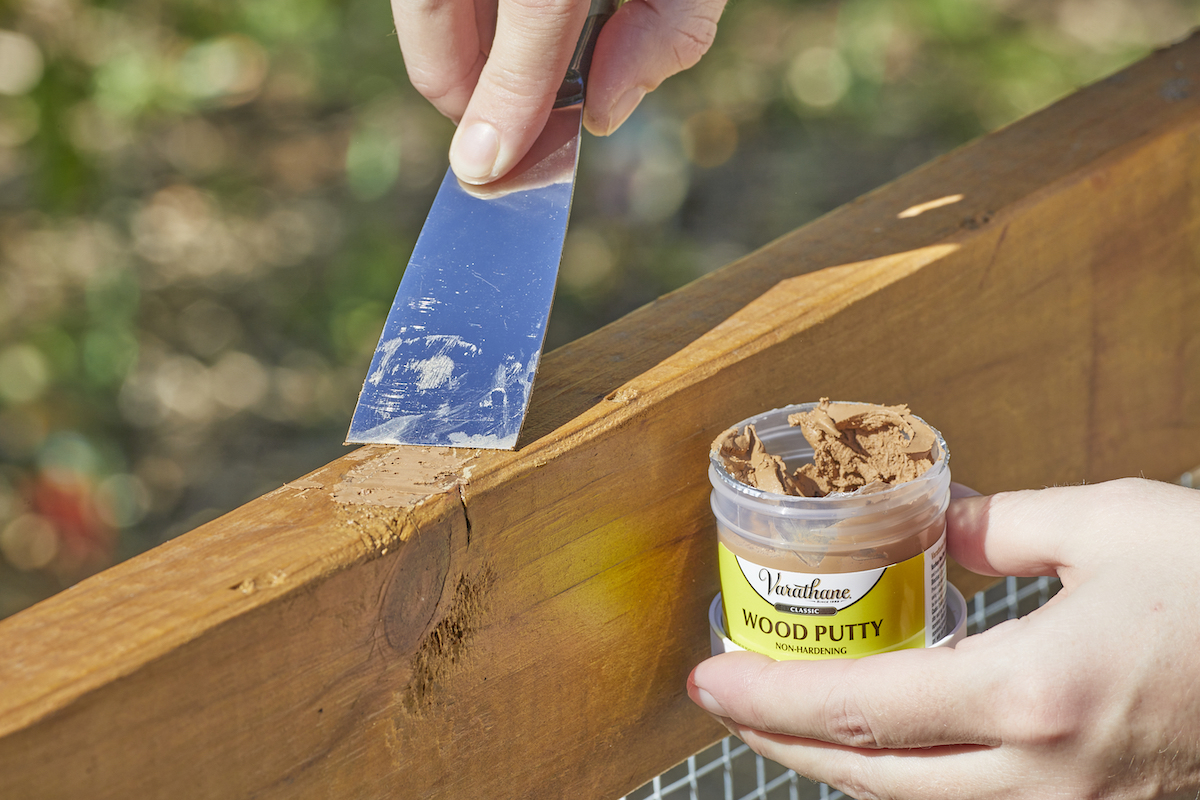
Wood putty is a pliable compound made to fill nail holes and surface blemishes in finished wood. It often contains oils, clay, or silicone and stays somewhat soft after application. Wood putty is best for cosmetic fixes on painted or stained surfaces where deep sanding or heavy shaping is not required. It’s meant for small touch-ups rather than structural repairs.
:max_bytes(150000):strip_icc()/SPR-wood-filler-vs-wood-putty-7553299-03-8a449bda7e8b4ebea9ab63445752c88f.jpg)
Key differences between wood filler vs wood putty
-
Composition and texture
Wood filler is often gypsum-, cellulose-, or epoxy-based and dries hard. Wood putty is oil- or latex-based and remains flexible. -
Drying and curing
Wood filler cures by drying and sometimes chemical setting; it becomes rigid. Wood putty does not fully harden and stays slightly pliable. -
Sandability and shaping
Wood filler sands cleanly to shape and blends with raw wood. Wood putty usually resists aggressive sanding and is shaped lightly with a finger or putty knife. -
Stainability and paintability
Wood filler accepts stain and paint well, though stain match can be tricky. Wood putty blends under paint easily; many oil putties resist staining and are paint-friendly. -
Best surface
Wood filler is ideal on raw, unfinished wood. Wood putty is designed for finished surfaces and trim. -
Longevity and movement
Wood filler offers a long-term structural repair; it resists shrinking when applied correctly. Wood putty remains flexible to tolerate small movement but can shrink or be pushed out over time.
When to use wood filler vs wood putty
-
Use wood filler when:
You have deep gouges, loose grain, or missing chunks of wood. You plan to sand, stain, or refinish the area. The repair needs to hold screws or structural stress. -
Use wood putty when:
You are touching up nail holes, tiny dings, or finished trim. The surface is already painted or sealed and you don’t want heavy sanding. You need a quick cosmetic fix. -
Typical scenarios:
Furniture with missing veneer edges — choose wood filler for rebuild, then veneer. Baseboard nail holes on painted trim — use wood putty for a fast, paint-ready fix. Floorboard gaps — wood filler for durable, sandable repair.
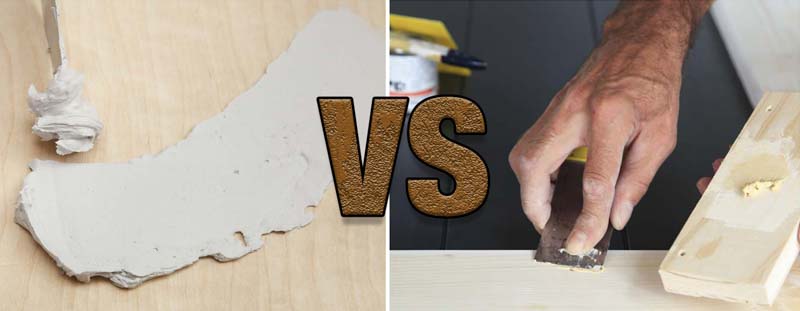
How to apply wood filler and wood putty (step-by-step)
Wood filler application
- Clean the area of dust and loose fibers.
- Mix powder filler to the recommended consistency or use premixed paste.
- Overfill the hole slightly with a putty knife.
- Let it dry fully per product instructions.
- Sand smooth, stain or paint as needed.
Wood putty application
- Clean the surface and remove loose paint or finish.
- Press a small amount of putty into the hole with your finger or a knife.
- Smooth flush with the surface; wipe excess with a cloth.
- Allow a short set time if specified, then paint over. No heavy sanding is usually required.
Practical tips
- Test stain on a scrap or hidden spot; fillers can take stain differently.
- For exterior work, use exterior-grade filler or epoxy fillers rated for outdoors.
- Keep repair areas dry and clean; contamination affects adhesion.
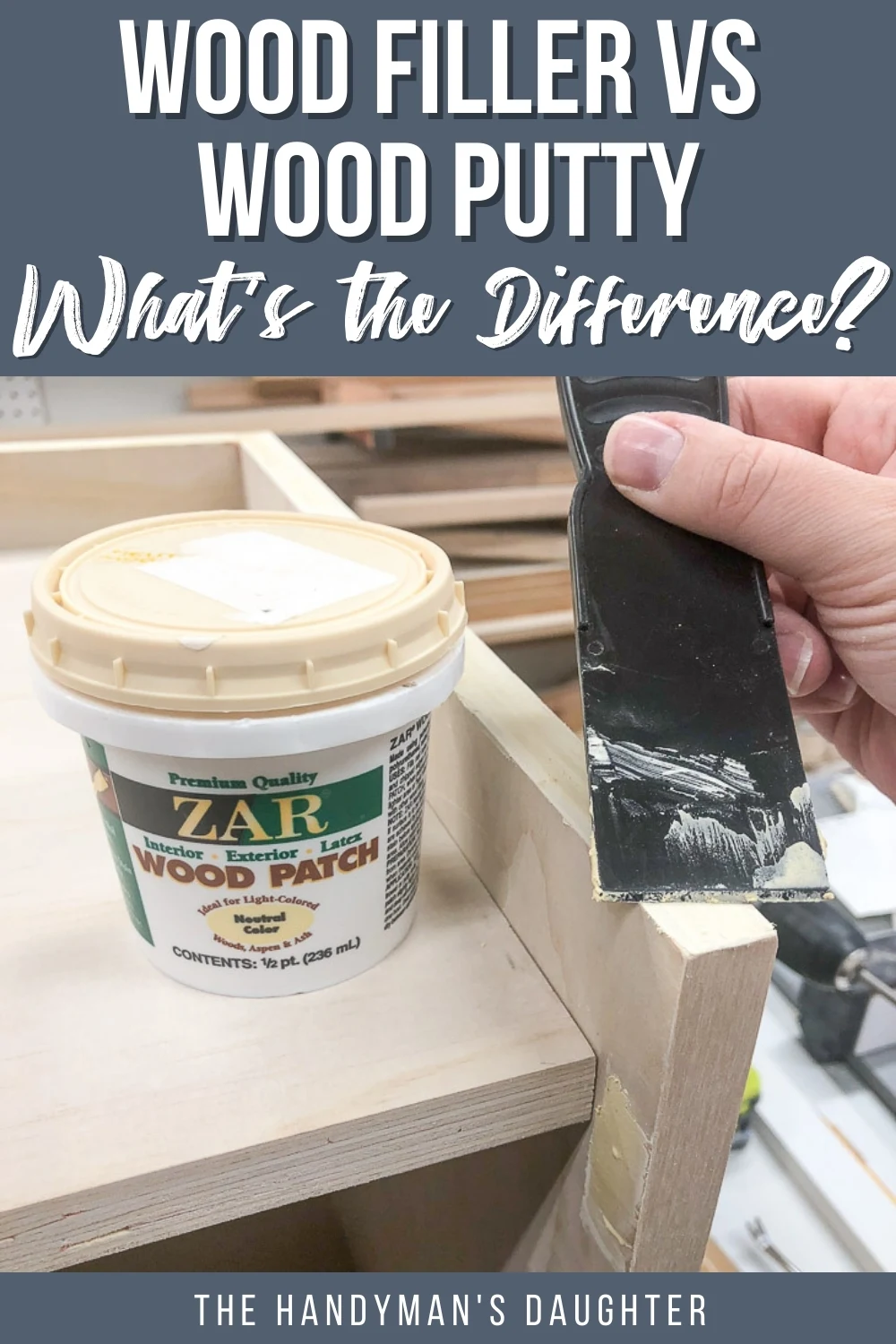
Common mistakes, troubleshooting, and pro tips
-
Mistake: Using wood putty on raw wood.
Result: The putty may not bond well and can fail. Use wood filler for raw or structural repairs. -
Mistake: Over-sanding putty.
Result: Rounded, uneven surfaces and exposed filler edges. Sand lightly or avoid sanding putty. -
Mistake: Skipping primer before paint.
Result: Stain bleed or poor paint adhesion. Prime filler and putty repairs when painting. -
Troubleshooting: Filler cracking after dry
Cause: Applied too thin or in moving joints. Fix: Remove loose bits and use flexible epoxy filler or caulk for joints.
Personal note from experience
I once repaired a vintage chair with wood putty on a glued joint and watched the repair fail when stressed. I learned to match product to purpose: wood filler for strength, wood putty for surface cosmetics. When in doubt, test a small area and let the repair cure fully before finishing.

Frequently Asked Questions of wood filler vs wood putty
What is the main difference between wood filler vs wood putty?
The main difference is that wood filler hardens and can be sanded, while wood putty stays flexible and is best for minor cosmetic fixes. Choose filler for structural repairs and putty for finished-surface touch-ups.
Can I stain wood filler to match the wood?
Many wood fillers accept stain, but they do not always match perfectly. Test on scrap wood or use tinted filler to get a closer color match.
Is wood putty suitable for outdoor repairs?
Most wood putties are not designed for prolonged exterior exposure and may fail. Use a weatherproof filler or epoxy made for outdoor use for best results.
Can I use wood filler on painted surfaces?
Yes, you can, but you may need to sand and prime the area for a smooth paint finish. Some fillers may need sealing to prevent paint absorption differences.
Which lasts longer, wood filler or wood putty?
Wood filler generally lasts longer for structural repairs because it hardens and bonds into the wood. Wood putty is designed for cosmetic fixes and may need reapplication over time.
Conclusion
Choosing between wood filler vs wood putty comes down to purpose: use wood filler for strength, rebuilds, and stainable repairs, and use wood putty for quick cosmetic touch-ups on finished surfaces. Start small, test materials, and match product properties to the job to avoid rework. Try a controlled repair this weekend: pick a low-risk project, test a filler or putty, and note how it sands, holds, and takes finish—then share your results or questions below to keep learning.