Cooling towels cool by evaporation; neck wraps target neck arteries for longer, hands-free cooling.
I’ve tested both products for years, so I’ll walk you through the real differences between a cooling towel vs cooling neck wrap. You’ll learn how each works, when one beats the other, what materials matter, how to care for them, and practical buying tips so you pick the right tool for your heat needs.

What are cooling towels and cooling neck wraps?
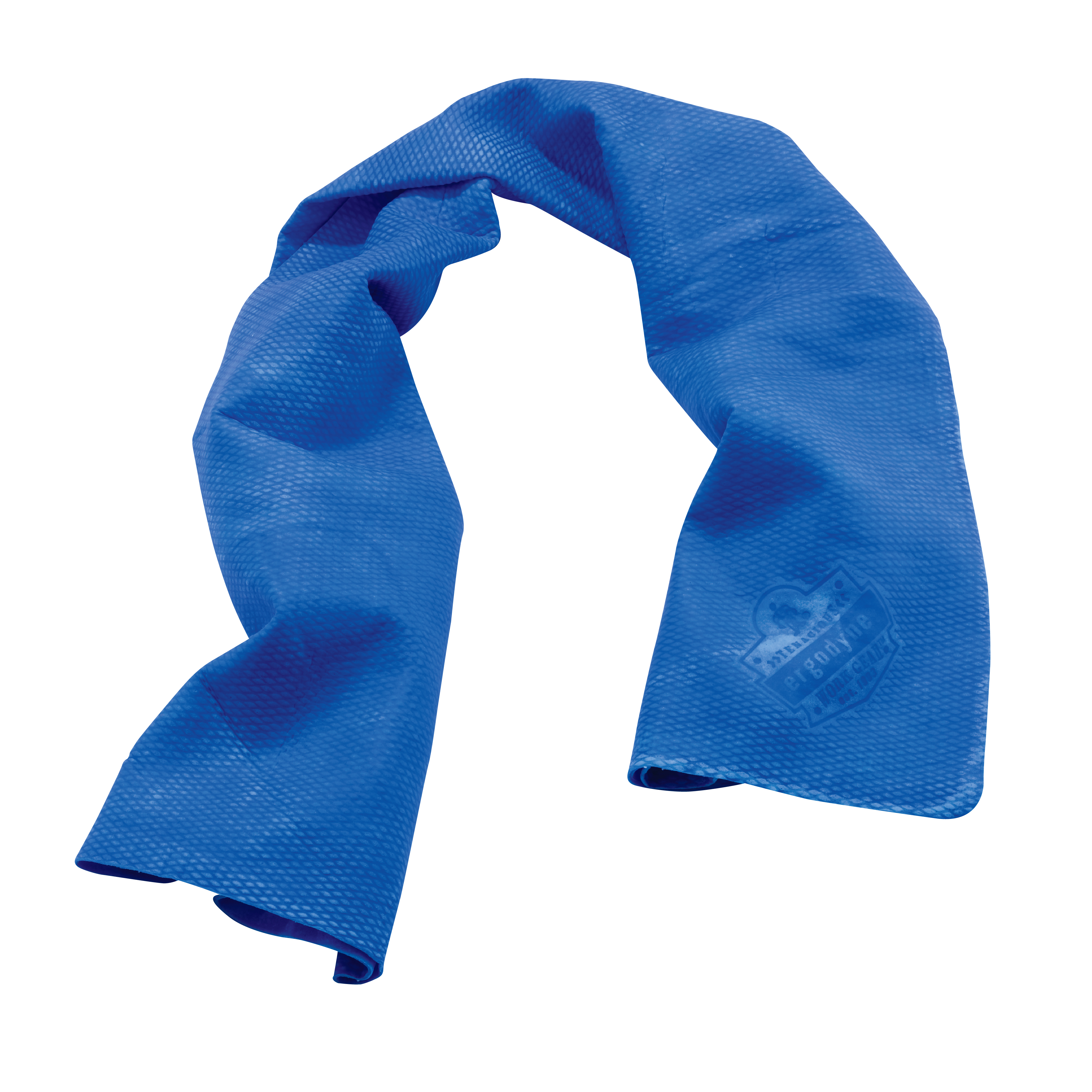
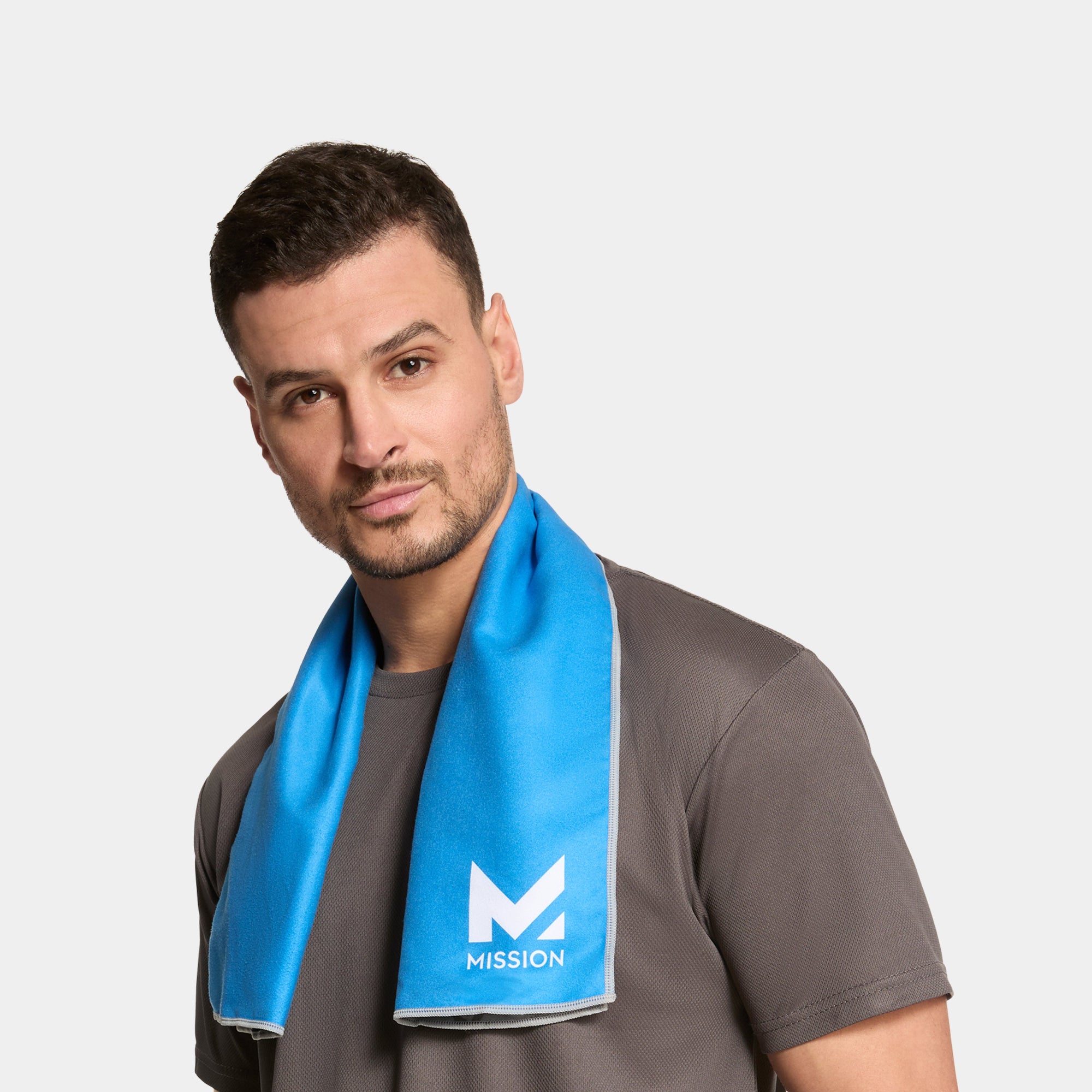
A cooling towel is a rectangular, often microfiber fabric designed to hold water and release cooling through evaporation. You soak, wring, and snap it to activate a cool, wet surface you can drape over shoulders, head, or wipe across skin.
A cooling neck wrap is a band or collar shaped to sit around the neck. It can be a wet-activated fabric like the towel, a gel-infused sleeve, or a phase-change material that stores cold and releases it slowly near the carotid arteries to cool the whole body.
Basic differences to remember:
- Cooling towel: flexible, multi-use, covers more skin area.
- Cooling neck wrap: hands-free, focused around neck, often longer lasting on the pulse points.
How they work: science made simple
Cooling towel vs cooling neck wrap works on similar physics but different designs.
Evaporative cooling (common in towels)
- Water in the towel evaporates.
- Evaporation pulls heat from skin and air.
- Works best in dry heat and when airflow exists.
Conductive and phase-change cooling (common in wraps)
- Gel packs or phase-change inserts absorb heat from skin by conduction.
- Phase-change materials melt at a target temperature, keeping a steady cool.
- Works well in humid heat where evaporation is slow.
Practical note: a cooling towel feels colder quickly after a soak. A cooling neck wrap with phase-change inserts often feels more stable, keeping you cool for longer.

Pros and cons: cooling towel vs cooling neck wrap
Here’s a clear look at strengths and limits for each option.
Cooling towel pros:
- Lightweight and packable.
- Versatile for shoulders, head, face, or draped around neck.
- Easy to activate and reactivate with water.
Cooling towel cons:
- Evaporative cooling weakens in high humidity.
- Requires wetting and occasional wringing.
- Can drip when fully saturated.
Cooling neck wrap pros:
- Hands-free and stays in place.
- Focused cooling near carotid arteries for efficient body cooling.
- Some models use gel or phase-change for longer duration.
Cooling neck wrap cons:
- Less flexible in how you wear it.
- Heavier if gel or ice packs are used.
- Some wraps need freezing or chilling ahead of time.
Throughout my testing, I found the cooling towel great for quick relief after sprints, while neck wraps were better for long outdoor tasks.

Best uses and who should pick which
Choose based on activity, climate, and convenience.
When to pick a cooling towel:
- Short workouts, HIIT, or post-run cooldowns.
- Hot, dry climates where evaporation is effective.
- When you need versatility and travel-friendliness.
When to pick a cooling neck wrap:
- Long outdoor shifts, hiking, or gardening.
- Hot and humid climates where evaporation underperforms.
- Situations needing hands-free, steady cooling.
Personal tip: for long races I use a small towel at aid stations but wear a neck wrap between stations to keep my core feeling stable.

Materials, build quality, and features to look for
Materials affect comfort, cooling power, and longevity.
Cooling towel common materials:
- PVA or advanced microfiber that hold water without dripping.
- Lightweight weave for fast evaporation.
- Antimicrobial finishes reduce odor.
Cooling neck wrap materials:
- Gel inserts sealed in soft fabric.
- Phase-change inserts that maintain a set cool temperature.
- Soft neoprene or breathable mesh coverings for comfort.
Key features to evaluate:
- Activation method: soak-and-snap vs freeze vs store-bought cooling gel.
- Fit and closure: Velcro, ties, or elastic for secure wear.
- Weight and packability.
- Care instructions and durability.
Care and maintenance tips
Simple steps extend product life and performance.
Cooling towel care:
- Rinse after use and air dry fully to avoid mildew.
- Hand wash with mild soap; avoid fabric softener.
- Store dry and rolled loosely to keep fabric porous.
Cooling neck wrap care:
- Follow manufacturer cleaning for gel/phase-change inserts.
- Wipe outer fabric after use and air dry.
- Avoid puncturing gel packs; replace if leaking.
Lesson learned: I once threw a cooling towel in a hot dryer and shrank its weave. Air dry always.

Buying guide: choose the right model
A short checklist to guide your purchase.
Must-have considerations:
- Your main activity and how long you need cooling.
- Climate: dry vs humid performance matters.
- Portability: roll-up towel vs chilled wrap that needs freezer access.
- Price vs durability: cheap towels may lose effectiveness sooner.
Smart buys:
- Towel with PVA or advanced microfiber for fast cooling.
- Neck wrap with phase-change inserts if you want long-term, hands-free cooling.
- Look for return policies and real-user reviews to confirm longevity.

Real-world examples and personal experience
I’ve used various models across seasons and tasks.
Example 1: Summer trail runs
- I carried a small cooling towel in my pack. I soaked it at aid stations and kept it over my neck for quick relief.
Example 2: Field work in humid heat - A phase-change neck wrap provided steady relief where evaporative towels failed.
Mistake to avoid: trusting a towel alone in muggy conditions. It felt useless until I switched to a neck wrap.

Quick PAA-style questions
Q: Which cools faster, a towel or a neck wrap?
A: A cooling towel cools faster after activation because evaporation is immediate; a neck wrap often provides steadier, longer cooling.
Q: Are neck wraps safe for long wear?
A: Yes, most neck wraps are safe for long wear if they fit well and you follow care instructions; avoid overly tight wraps.
Q: Can I use a cooling towel and neck wrap together?
A: Yes, combining a soaked towel with a chilled neck wrap can boost both immediate and sustained cooling.
Frequently Asked Questions of cooling towel vs cooling neck wrap
What is the main difference between a cooling towel and a cooling neck wrap?
The main difference is design and focus: a cooling towel covers larger areas and uses evaporation, while a neck wrap concentrates cooling at the neck, often with longer-lasting materials.
Which option is better for humid climates?
A cooling neck wrap with gel or phase-change inserts is generally better in humid climates because it does not rely on evaporation.
How long does a cooling towel stay cold?
A cooling towel usually stays noticeably cool for 20 to 60 minutes, depending on humidity and airflow.
Can I wash my cooling neck wrap?
Most cooling neck wraps are washable, but follow the product’s care instructions—avoid submerging gel packs if not sealed for washing.
Are cooling neck wraps safe for children?
Many neck wraps are safe for older children, but check size, fit, and material safety; avoid heavy gel packs for small kids.
Do cooling towels drip a lot?
Some towels can drip when saturated, but high-quality PVA or advanced microfiber towels are designed to hold water without heavy dripping.
Can cooling wraps help with heat illness?
Cooling wraps can lower core temperature and provide relief, but they are not a substitute for medical care in heat exhaustion or heat stroke.
Conclusion
Cooling towel vs cooling neck wrap comes down to use case: choose towels for fast, flexible relief in dry heat and wraps for steady, hands-free cooling in humid or long-duration situations. Test one in real conditions before committing, and focus on material quality, fit, and care needs when buying.
Take action: pick one based on your primary activity, try it in real heat, and share your experience below. If you want personalized suggestions, tell me your typical heat activities and I’ll recommend models tailored to them.