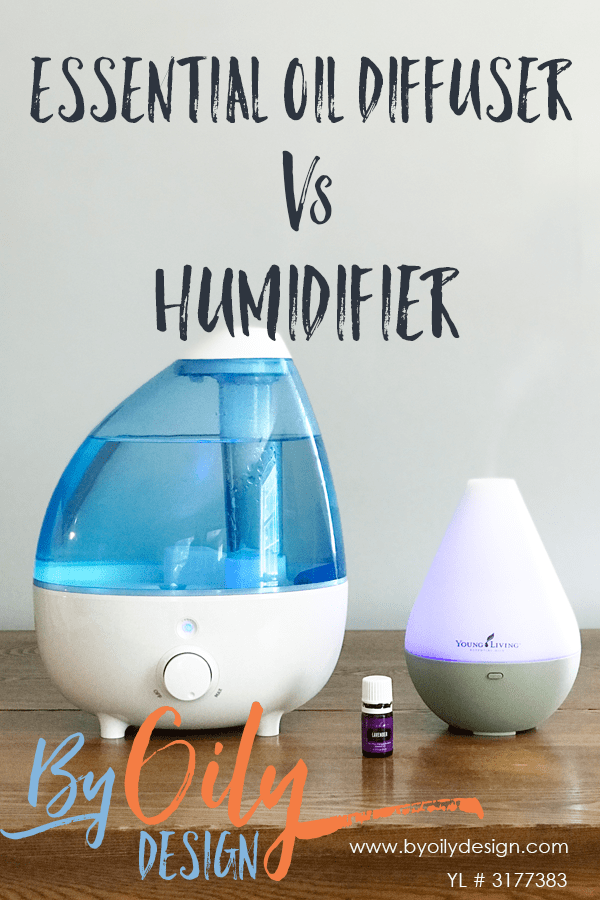
Essential oil diffusers scent and lightly humidify a room; humidifiers raise indoor humidity for health and comfort.
I’ve spent years testing home wellness devices and advising friends on what to buy. This article dives deep into essential oil diffuser vs humidifier so you can choose the right device for your space, health needs, and lifestyle. I’ll explain how each works, real benefits and limits, safety tips, cost considerations, and practical recommendations based on hands-on experience. Read on to learn which device matches your goals and how to use it safely and effectively.
How they work: basic mechanics and purpose
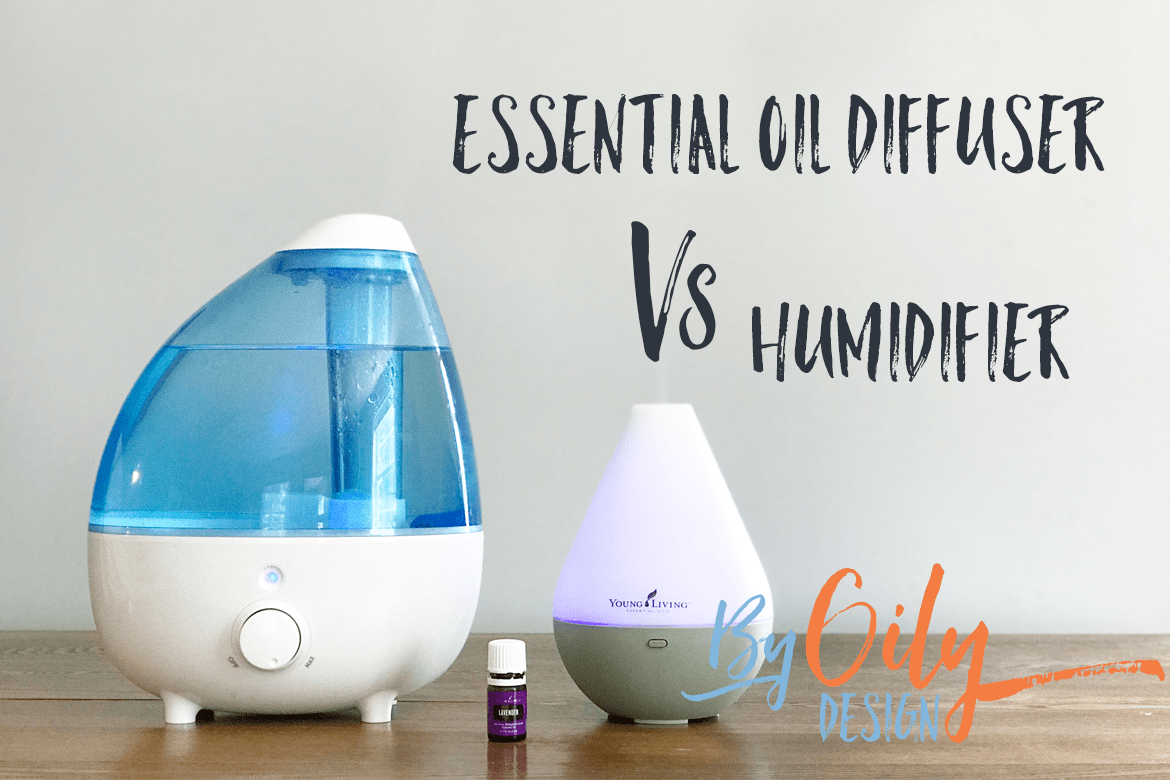
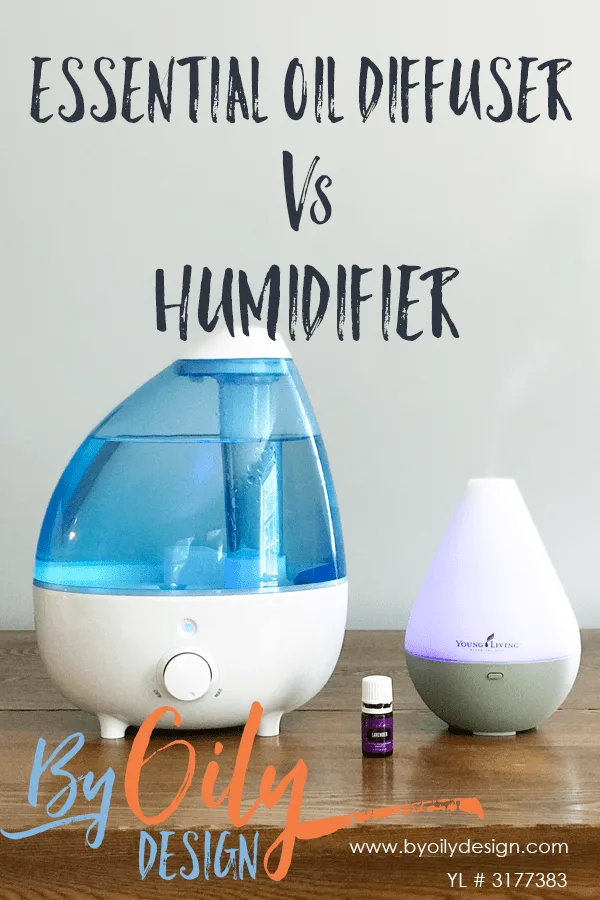
An essential oil diffuser breaks essential oils into tiny particles and disperses them into the air. Many types use ultrasonic vibration to create a cool mist that carries scent. Diffusers aim to scent a room and can offer mild moisture as a byproduct.
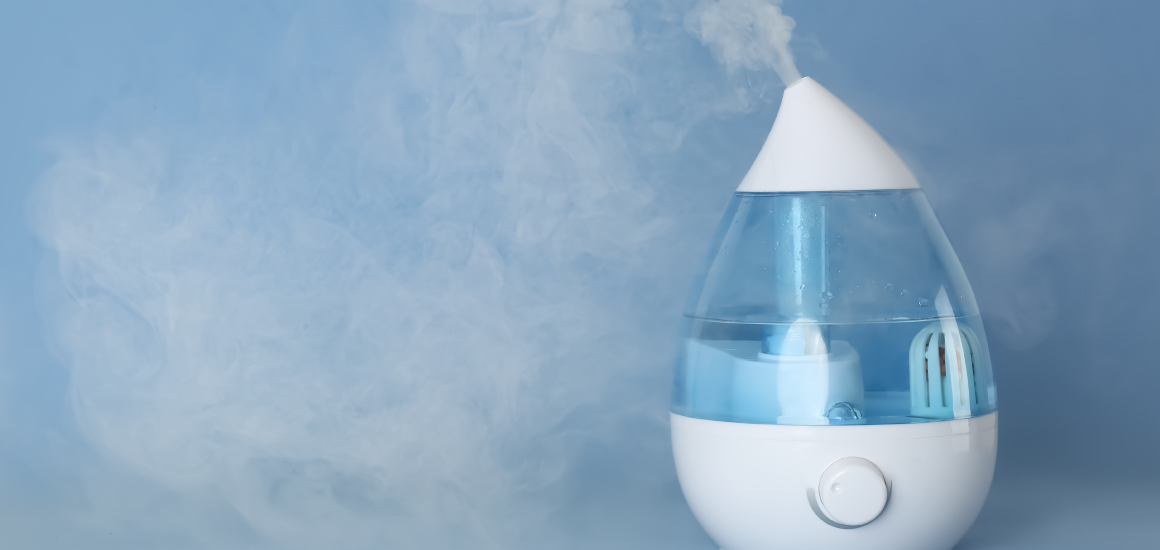
A humidifier raises indoor relative humidity by releasing water vapor or mist. Types include cool-mist, warm-mist, and ultrasonic humidifiers. Humidifiers target dry air to help skin, nasal passages, and wooden furniture.
Key technical differences:
- Diffusers use very small water reservoirs and focus on scent distribution.
- Humidifiers have larger tanks and run longer to change room humidity.
- Diffusers are not designed to maintain specific humidity levels, while humidifiers are.
Benefits of essential oil diffusers
Diffusers offer several lifestyle and wellness perks.
- Aroma and mood: They disperse pleasant scent which can lower stress and improve mood.
- Low maintenance: Small tanks and simple cleaning suit casual users.
- Portable: Most diffusers are compact and easy to move between rooms.
- Safe for many users: When used properly, they don’t produce heat or hot steam.
Practical note from my experience: A bedroom diffuser with lavender helps me wind down, but it never replaced a humidifier when my sinuses were dry.
Benefits of humidifiers
Humidifiers improve air moisture with clear health and home benefits.
- Respiratory relief: They ease dry coughs, sore throats, and nasal irritation.
- Skin and hair: Increased humidity reduces flaking and dryness.
- Protects wood and plants: Stable humidity prevents wood cracking and supports indoor plants.
- Better sleep: Many people sleep better when air isn’t overly dry.
I once used a humidifier in winter and noticed less nosebleeds and dryer skin within days. That real-world improvement highlights their health utility.
Limitations and risks of each
Knowing limitations helps you avoid common mistakes.
Essential oil diffusers limitations:
- Limited humidification: They don’t significantly raise room humidity.
- Possible irritation: Strong oils can irritate pets, children, or people with asthma.
- Quality varies: Cheap oils or plastic diffusers can smell off or degrade.
Humidifier limitations:
- Over-humidification: Too-high humidity promotes mold and dust mites.
- Cleaning required: Tanks must be cleaned regularly to prevent bacterial growth.
- Larger footprint: Humidifiers are bulkier and need more maintenance.
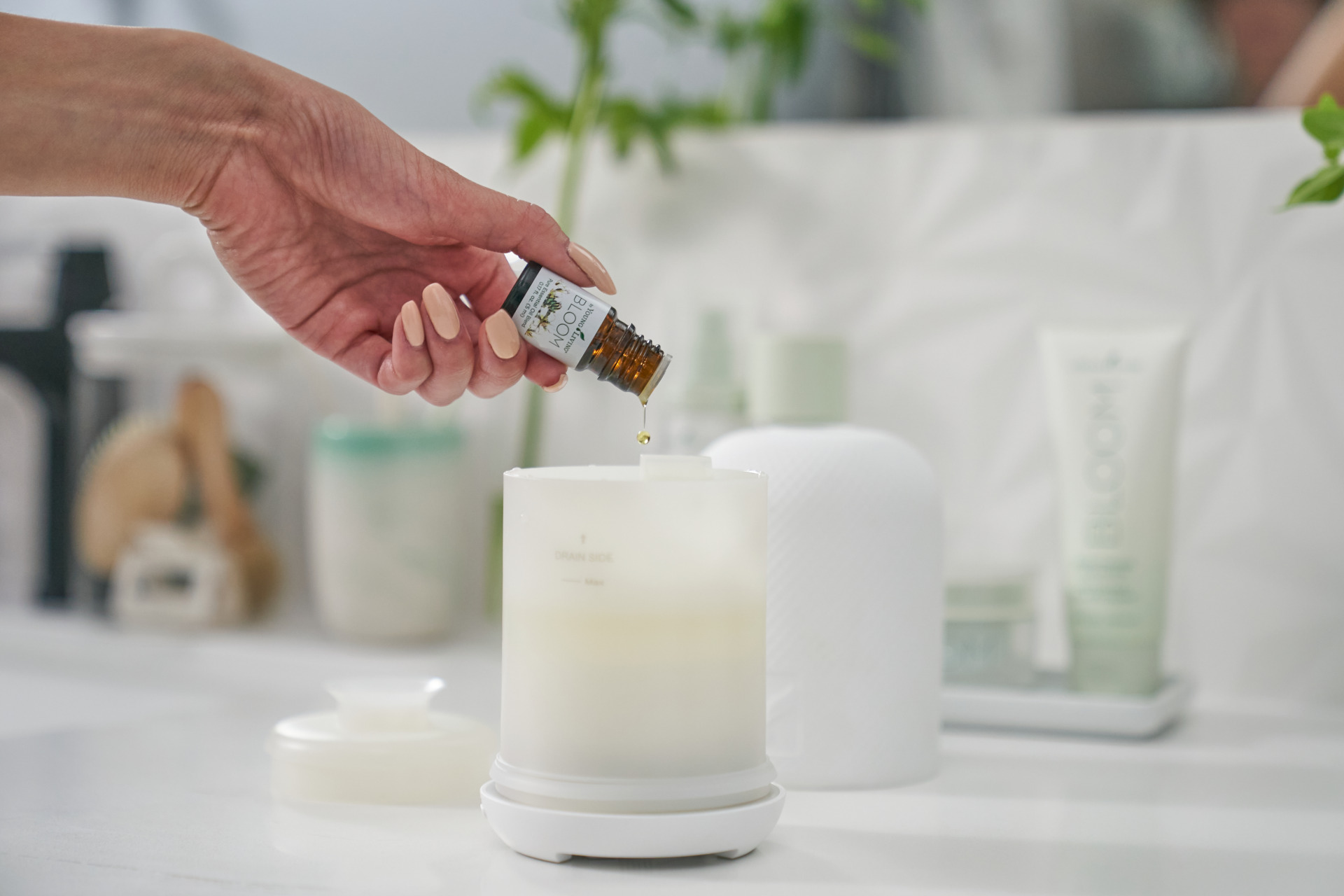
Safety tip: Never put essential oils directly into a humidifier tank unless the manufacturer states it’s safe. Oils can damage parts and create aerosolized oil droplets.
Key differences summarized: quick comparison
-
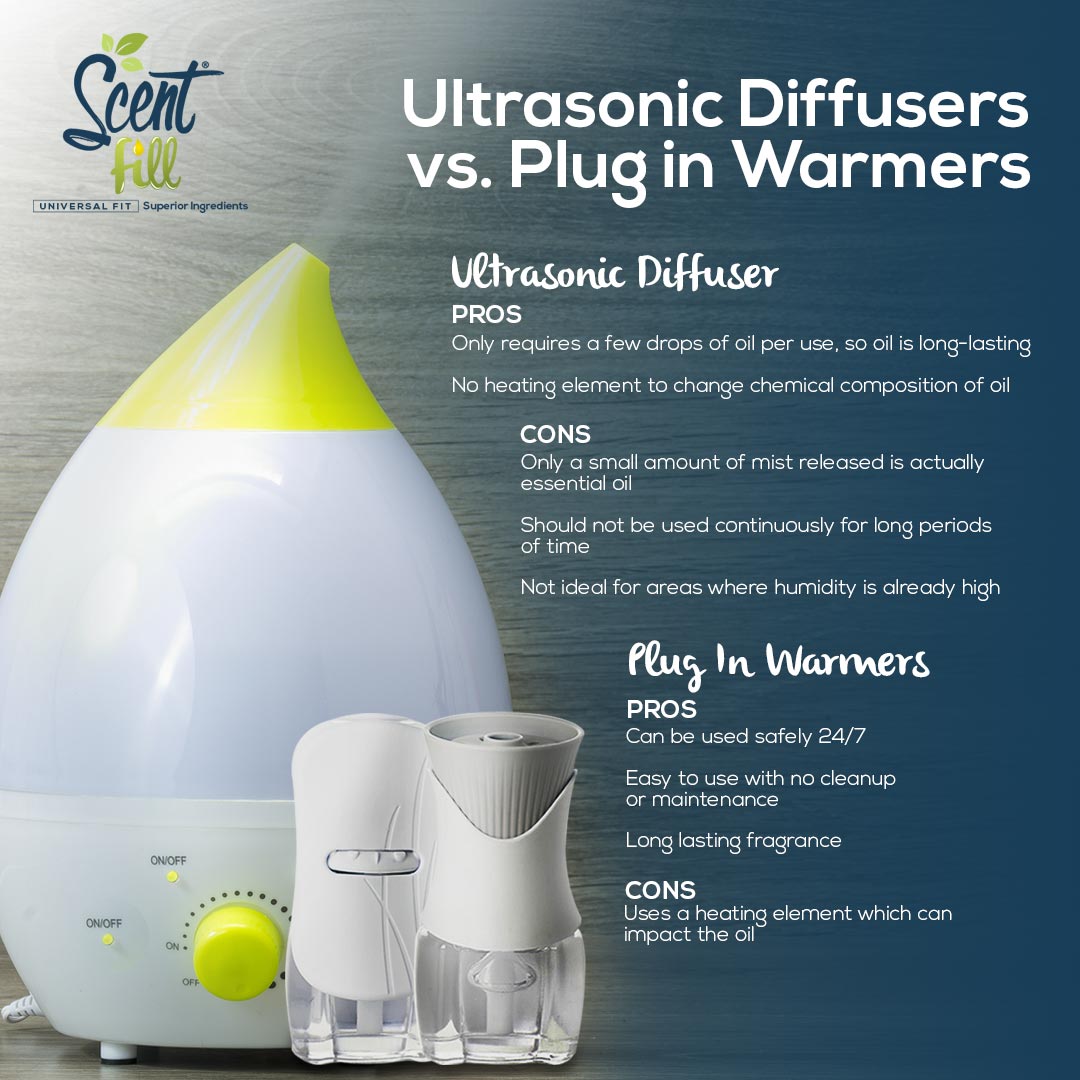
Purpose
- Diffuser: Scent and mild mist.
- Humidifier: Raise and control humidity.
-
Runtime and tank size
- Diffuser: Small tank, short runtime.
- Humidifier: Large tank, long runtime.
-
Health impact
- Diffuser: Mood, relaxation, limited physical relief.
- Humidifier: Direct relief for dry air symptoms and better indoor air quality when used properly.
-
Safety considerations
- Diffuser: Watch for allergic reactions and pet sensitivity.
- Humidifier: Clean often to avoid microbes and mold.
Which should you choose? Practical scenarios
Pick based on your main goal.
- If you want scent and relaxation: choose an essential oil diffuser.
- If you want to relieve dry air symptoms: choose a humidifier.
- If you need both: consider running both devices separately, or a humidifier designed to accept aromatic pads (use caution).
Examples:
- Apartment living with dry winter air and frequent sinus issues: choose a humidifier.
- Someone seeking calm evenings and aromatherapy: choose a diffuser.
- Parents with infants: prioritize a humidifier after checking pediatric guidance; avoid oils near babies unless cleared by a pediatrician.
Maintenance, cleaning, and safety best practices
Routine care keeps either device safe and effective.
- Daily
- Diffuser: Empty the tank after use and wipe dry.
- Humidifier: Refill with fresh water and follow runtime rules.
- Weekly
- Diffuser: Deep clean with mild vinegar solution and rinse.
- Humidifier: Descale and disinfect according to the manual.
- Safety tips
- Use distilled water in humidifiers to reduce mineral dust.
- Label and store oils away from children and pets.
- Monitor room humidity with a hygrometer; aim for 30–50% RH.
- Avoid strong oils around cats and small children.
From experience: skipping weekly cleaning is the most common mistake. I learned this the hard way when a humidifier grew a slimy film; a proper cleaning routine solved it fast.

Cost, efficiency, and buying guide
Factors to weigh when buying:
- Price range
- Diffusers: Typically budget-friendly, under $50 for decent models.
- Humidifiers: Range widely; basic models under $50 and whole-room units over $200.
- Running cost
- Diffusers: Low electricity use, occasional oil replacement.
- Humidifiers: Higher water usage and possible filter replacement.
- Features to look for
- Auto shut-off when water is low.
- Adjustable mist output.
- Quiet operation for bedrooms.
- Easy-to-clean design.
A tip from testing: spend a bit more for a well-built humidifier if you need sustained humidity control. Cheaper models often leave behind white dust or need frequent cleaning.
Personal experience and practical tips
I’ve used both devices across seasons and spaces. Here are lessons I learned.
- Use a hygrometer: It prevents over-humidifying and guides how long to run a humidifier.
- Start small with oils: A few drops is enough for diffusers; too much causes headaches.
- Match device size to room size: Small diffusers for bedrooms; larger humidifiers for living rooms.
- Never add oils to a humidifier tank unless explicitly allowed. I once ruined a humidifier motor with oils.
These tips help you get benefits without unnecessary risk or expense.
Environmental and health notes
Both devices have environmental and health impacts worth noting.
- Energy and water: Humidifiers use more water and can consume more power over long runs.
- Allergies and asthma: Some people may react to essential oils or mold from poorly cleaned humidifiers.
- Pets: Cats are particularly sensitive to many essential oils; consult a vet before diffusing.
Always weigh benefits against risks for your household.
Frequently Asked Questions of essential oil diffuser vs humidifier
Are essential oil diffusers the same as humidifiers?
No. Essential oil diffusers focus on scent and create only a light mist, while humidifiers are designed to raise room humidity substantially.
Can I put essential oils in my humidifier?
Generally no. Most humidifiers are not designed for oils and may be damaged or disperse oil droplets that can irritate lungs.
Which is better for dry sinuses, a diffuser or a humidifier?
A humidifier is better for dry sinuses because it increases relative humidity and helps moisturize nasal passages.
Is it safe to use a diffuser around pets?
Some essential oils can harm pets, especially cats. Use pet-safe oils, keep the room ventilated, and consult a veterinarian.
How often should I clean a humidifier or diffuser?
Clean diffusers weekly and humidifiers at least weekly, with more frequent attention if you see buildup or smell mustiness.
Conclusion
Choosing between an essential oil diffuser vs humidifier comes down to your primary need: scent and mood versus measurable humidity and health benefits. Use diffusers for aromatherapy and short-term scent, and use humidifiers to combat dry air and support respiratory health. Keep safety and cleaning top of mind, match device size to room size, and monitor humidity with a hygrometer. Try one device, observe how your space and comfort change, and adjust based on results. If you found this helpful, leave a comment with your experience, subscribe for more home wellness guides, or explore specific product reviews to pick the right model.