Silica gel packs keep items dry by absorbing moisture, protecting goods from mold, rust, and damage.
I’ve worked with storage, shipping, and camera gear for years, and this silica gel packs usage guide will show you how to choose, use, and reuse desiccant packs with confidence. I’ll explain how they work, safe handling, reactivation methods, common applications, and mistakes to avoid. Read on for practical tips, real examples, and step-by-step advice you can use today to protect valuables and reduce humidity problems.

What are silica gel packs?
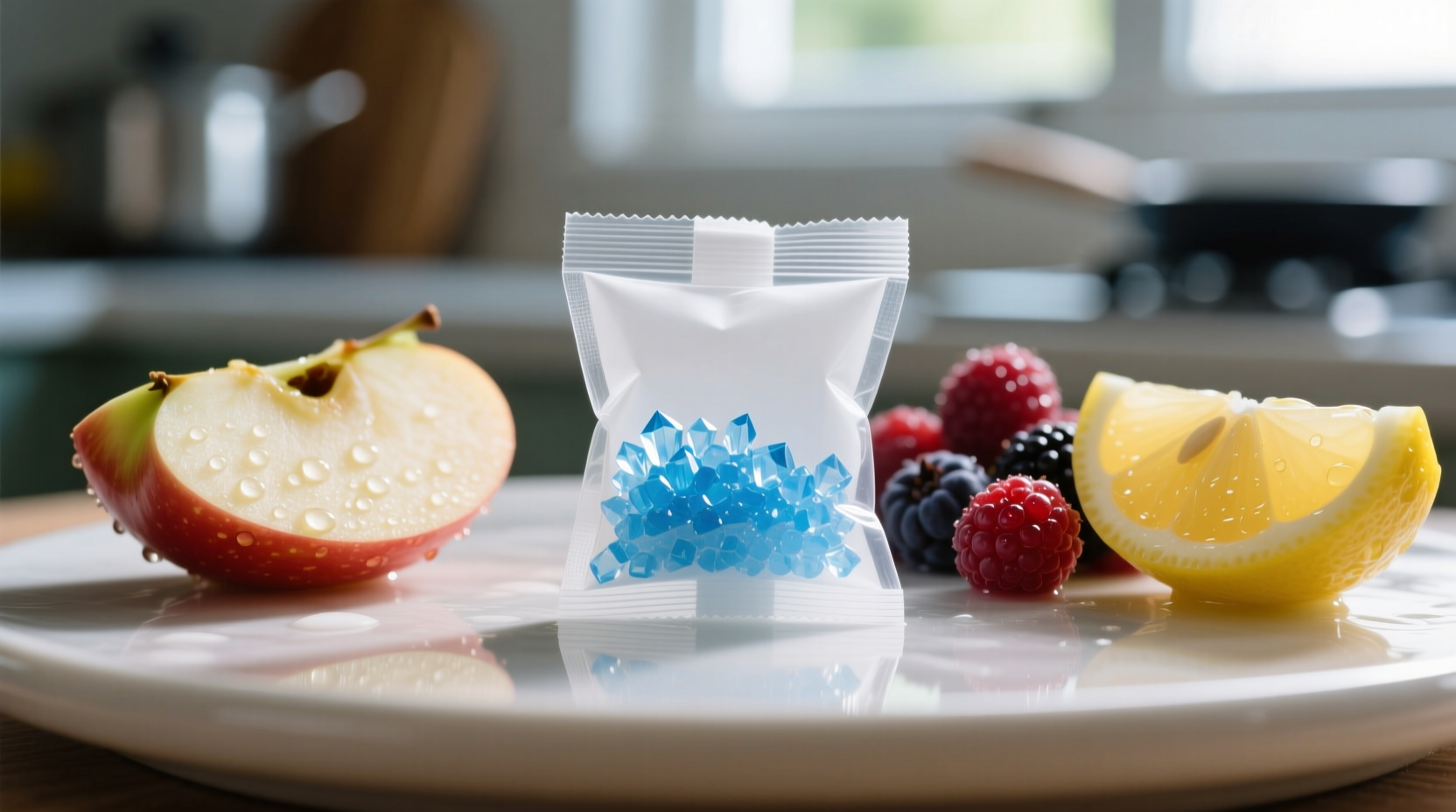
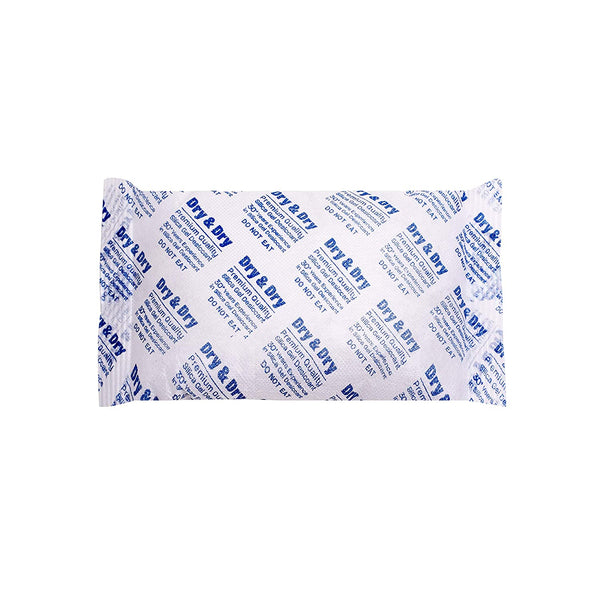
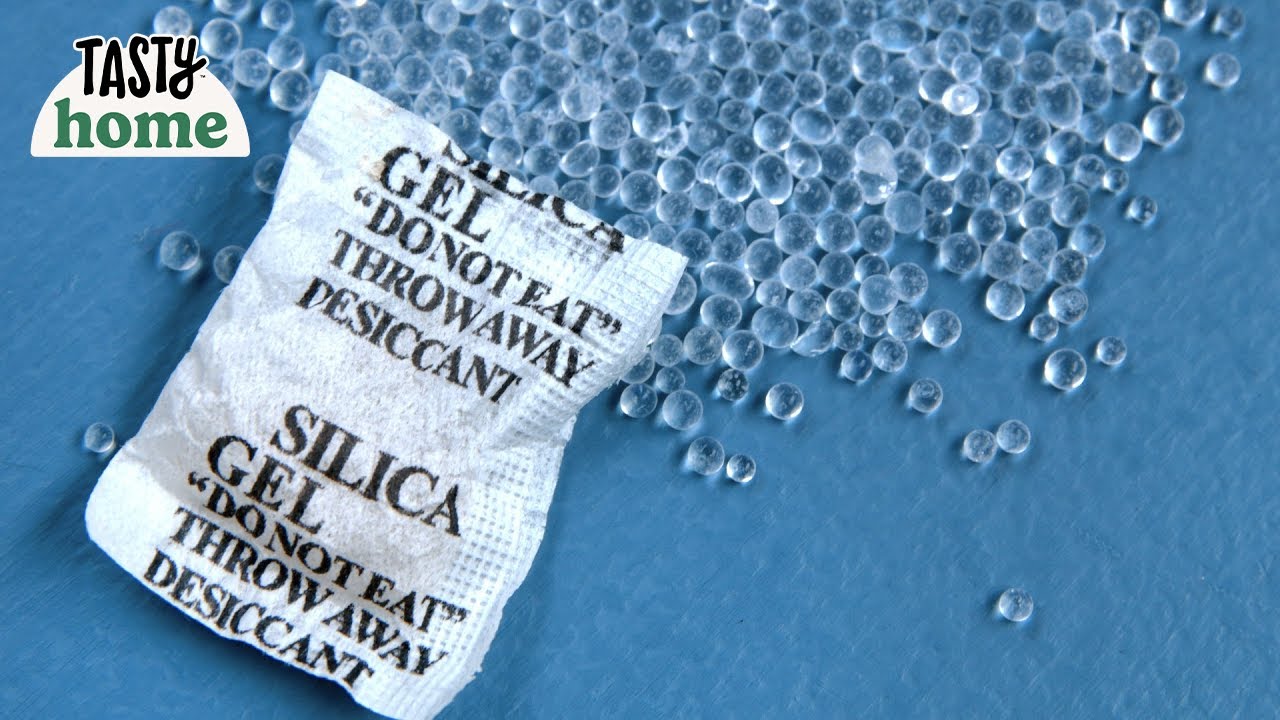
Silica gel packs are small sachets filled with porous silica beads. They are desiccants that trap water vapor from the air. Manufacturers include them in shoeboxes, electronics, medicine bottles, and packed shipments to lower humidity and prevent damage.
Key facts:
- Silica gel is a form of silicon dioxide that adsorbs moisture on its surface.
- Some packs include color-changing indicators to show saturation.
- Packs vary in size and moisture capacity for different uses.

How silica gel packs work
Silica gel works by adsorption, not absorption. Water molecules stick to the bead surfaces inside the packet. This reduces relative humidity in small enclosed spaces and limits mold, corrosion, and degradation.
Things to know:
- Adsorption capacity depends on bead size and temperature.
- Indicator beads change color when saturated, helping you know when to recharge or replace.
- Performance drops as packs fill with moisture; replace or reactivate when they no longer feel dry.

Common uses of silica gel packs
Silica gel packs have many everyday and industrial uses. This silica gel packs usage guide covers the most common ones so you can apply them correctly.
Common applications:
- Electronics: Place packs inside boxes or cases to prevent moisture damage and corrosion.
- Cameras and lenses: Keep gear dry during storage and travel.
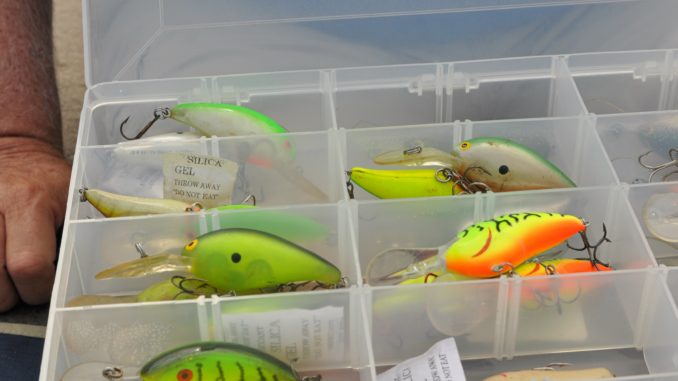
- Shoes and clothing: Use in storage bins or shoeboxes to avoid musty smells and mold.
- Food and medicine packaging: Small packs help maintain dryness and extend shelf life (only if labeled safe for such use).
- Documents, photos, and collectibles: Prevent paper yellowing, mold, and image damage.
How to use silica gel packs correctly
Using silica gel packs correctly extends life and maximizes protection. Follow these simple steps tailored to your needs.
General steps:
- Choose the right size: Use more packs for larger or more humid spaces.
- Place, don’t open: Keep packs sealed and put them near items, not tucked inside fragile fabric where beads could escape.
- Monitor saturation: Check indicator packs and replace or recharge when color changes or humidity control fails.
- Reactivate safely: Heat in an oven at low temperature (around 200°F / 95°C) for 1–2 hours or follow manufacturer instructions. Avoid microwaving packs unless they are explicitly microwave-safe.
Quantity guidelines:
- Small containers (shoebox, camera case): 1–2 small packs.
- Medium boxes (storage bin): 3–5 packs depending on humidity.
- Shipping a large box: 10+ packs or use larger industrial desiccants.

Tips, mistakes to avoid, and best practices
Simple habits make silica gel work better. These tips come from years of hands-on use and from field-tested routines.
Do:
- Use indicator packs for easy monitoring.
- Keep packs dry and stored in an airtight container between uses.
- Pair with airtight bags or containers for best results.
Avoid:
- Letting packs touch food unless labeled food-safe.
- Relying on one small pack for a large, humid space.
- Throwing away re-usable packs once they feel slightly damp—try reactivation first.
Environmental impact and disposal
Silica gel is non-toxic when pure, but some packs contain cobalt chloride indicators that are hazardous. Dispose and recycle responsibly.
Guidance:
- Check pack labeling for hazardous indicators before disposal.
- Reactivate and reuse packs many times to reduce waste.
- For packs with toxic indicators, follow local hazardous waste rules rather than tossing them in regular trash.
Alternatives to silica gel packs
If you need different desiccants or solutions, several alternatives exist. Each has pros and cons compared to silica gel.
Alternatives include:
- Molecular sieves: Stronger moisture control for high-humidity or industrial uses.
- Calcium chloride: Very effective but can liquefy; best in controlled containers.
- Activated charcoal: Helps with odor and some moisture, but lower capacity.
- Dry rice or cat litter: Low-cost, limited effectiveness for small DIY projects.
Personal experiences and case studies
I once shipped a set of vintage camera lenses across humid summer weather. I used three medium silica gel packs inside a sealed box and reactivated the packs afterward. The lenses arrived free of fungus and corrosion, while a similar shipment without packs had sticky aperture rings.
Lessons learned:
- Use enough packs for the box size and climate.
- Reactivate and reuse packs to save money.
- Indicator packs removed uncertainty and saved replacements.

Frequently Asked Questions of silica gel packs usage guide
How long do silica gel packs last?
Silica gel packs last until their beads are saturated. In sealed conditions they can stay effective for months or years; in humid open air they may saturate in days or weeks.
Can I reuse silica gel packs?
Yes. Most silica gel packs are reusable. Reactivate them by drying in a low-temperature oven following the pack manufacturer’s guidelines.
Are silica gel packs toxic to pets and children?
Most silica gel itself is non-toxic, but packets can be a choking hazard. Packs with toxic indicators should be kept away from pets and children and disposed of properly.
How many packs do I need for storage containers?
Use 1–2 small packs for small boxes, 3–5 for medium bins, and larger or more packs for big or very humid spaces. Adjust based on local humidity and the value of stored items.
Can I put silica gel packs in food packages?
Only use packs specifically labeled food-safe. Do not open or place beads directly in food. Follow the product labeling and food safety guidelines.
Does heat damage items when reactivating packs?
Reactivation uses low dry heat. Remove silica gel from items before reactivation and avoid exposing heat-sensitive items to high oven temperatures.
Conclusion
This silica gel packs usage guide gives clear steps to protect items from moisture, practical reactivation tips, and real-world lessons. Start by choosing the right pack size, use indicator packs to track saturation, and reactivate reusable packs to cut waste and cost. Try one simple change today: add a couple of packs to a vulnerable box, and notice how much more secure your items stay. If you found this helpful, leave a comment, share your own tips, or subscribe for more practical storage and care advice.