Wire connectors offer modern reliability; wire nuts stay simple, cheap, and widely used.
I have spent years wiring homes and fixing electrical puzzles. This guide on wire connectors vs wire nuts explains the differences plainly. I will show how each works, when to choose one, code and safety tips, and real job-site lessons. Read on to make smart, safe decisions for your next wiring job.

wire connectors vs wire nuts: Types and definitions
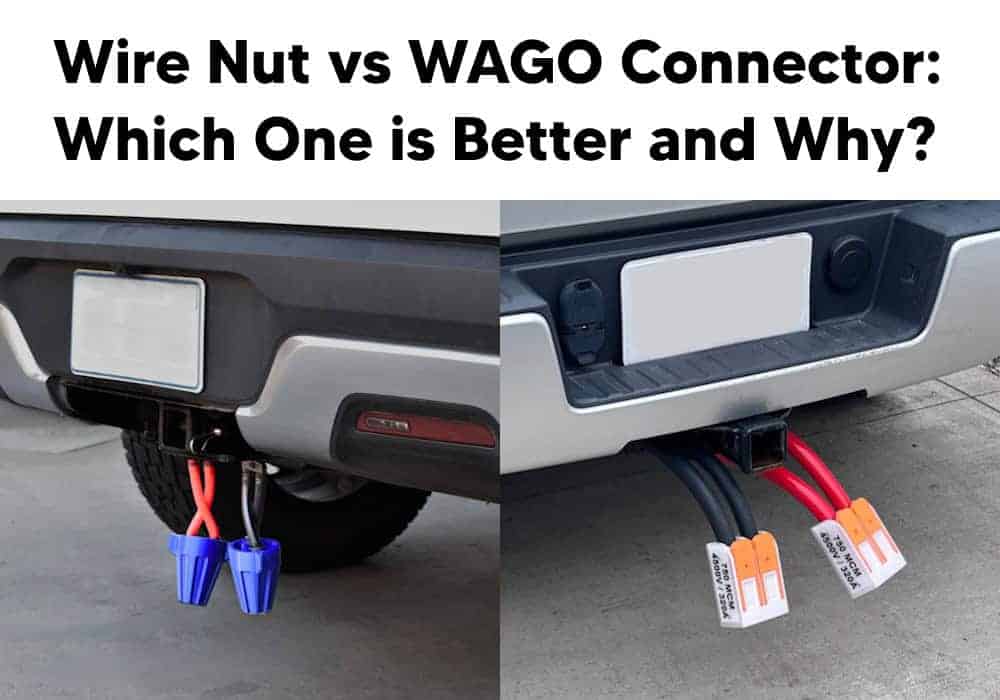
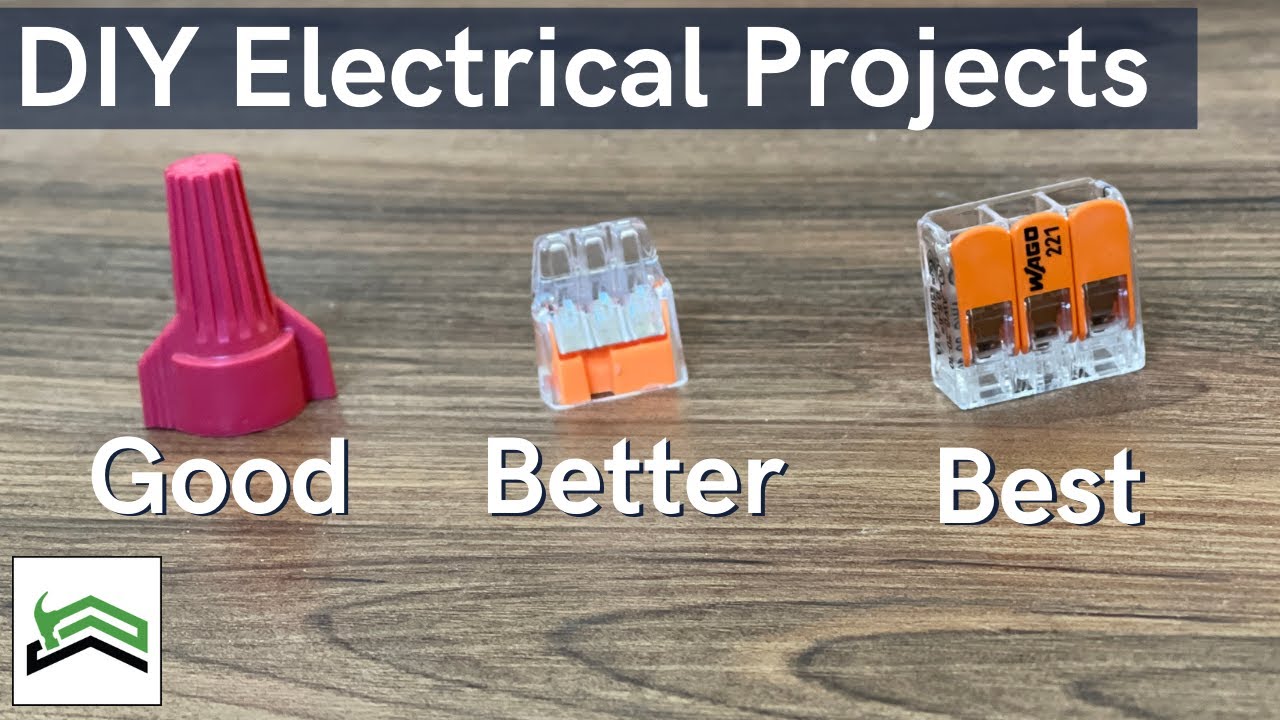
Wire connectors vs wire nuts are both devices to join electrical wires safely. A wire nut is a twist-on cap made of plastic with a metal coil inside. A wire connector can mean a push-in connector, a crimp connector, or a sealed inline connector. Both keep wires together and insulate the joint. Knowing types helps you pick the best tool for each job.

wire connectors vs wire nuts: How they work and install
Wire nuts work by twisting wires together and screwing on the cap. The metal coil bites the wires and holds them tight. Push-in wire connectors let you insert stripped wires into separate ports. Crimp connectors require a crimping tool to compress a sleeve around wires. Installation steps are simple and brief.
- For wire nuts, strip wire ends evenly, align wires, twist clockwise, and screw on the nut until tight.
- For push-in connectors, strip to the correct length, push each wire into its hole until it seats.
- For crimp connectors, slide the sleeve, crimp firmly, and cover with heat-shrink when needed.
These steps work for common solid and stranded copper wires. Follow the connector maker’s strip length and torque guidance for the best result.
Comparing pros and cons of wire connectors vs wire nuts
This section compares benefits and limits. I list clear points to help you choose.
Pros of wire nuts
- Simple to use and cheap.
- Good for many wire combinations and sizes.
- Easy to rework on the job.
Cons of wire nuts
- Larger space use in boxes.
- Can loosen if not installed correctly.
- Not ideal for fine stranded wire without prep.
Pros of modern wire connectors
- Compact and neat inside boxes.
- Faster for multi-wire connections and consistent torque.
- Some are rated for direct burial or high vibration.
Cons of modern wire connectors
- Higher cost per unit.
- Some types are single-use (crimp).
- Require correct matching to wire type and tool.
When comparing wire connectors vs wire nuts, think of space, speed, reuse, and vibration. Each choice has trade-offs.

Codes, safety, and best practices for wire connectors vs wire nuts
Electrical codes allow both if listed for the use. Look for CSA, UL, or equivalent marks. Never use a connector not rated for the wire size or environment. Tight connections reduce heat and chance of failure.
Best practices
- Always turn power off and verify with a tester before touching wires.
- Use the correct strip length. Manufacturers give precise numbers.
- Match connector type to wire type: solid, stranded, or aluminum.
- Use anti-oxidant paste for aluminum connections if rated for it.
- Don’t overcrowd boxes; maintain required box fill.
Safety tip: A loose wire or wrong connector causes heat and fire risk. Use torque or pull tests when possible. If unsure, consult a licensed electrician.

Choosing between wire connectors vs wire nuts for different projects
Pick by project type and conditions. Here are common scenarios and choices.
Home lighting and switches
- Use wire nuts for quick repairs and standard solid wires.
- Use push-in connectors for tight switch boxes for a neater fit.
New construction and multi-wire splices
- Use modern multi-port wire connectors to save time and space.
- Use crimp connectors for permanent, vibration-prone setups.
Outdoor or moist locations
- Use sealed or gel-filled connectors rated for wet environments.
- Avoid plain wire nuts without weatherproofing in outdoor splices.
Appliance or motor connections
- Choose connectors rated for higher temperatures and current.
- Crimp and heat-shrinked sleeves often give the best long-term reliability.
When you weigh wire connectors vs wire nuts, think of load, space, vibration, and weather. Choose the connector that fits the wire type, box size, and environment.

My experience: Lessons with wire connectors vs wire nuts
I have rewired rooms and fixed loose lighting dozens of times. Here are honest lessons from the field.
- I once had a ceiling fan made noisy by a poorly installed wire nut. Replacing the nut and retwisting fixed the issue. Short term saving led to extra work.
- For a crowded junction box, push-in connectors saved time and made the box easier to close. The homeowner loved the neat result.
- I learned to always re-strip a damaged conductor. Trying to reuse a frayed end with a connector often fails.
- Crimps with a proper tool outlast most twist-on joints in garage doors and motors. They resist vibration well.
Tip: Carry a small connector kit in your van. It speeds repairs and avoids bad choices on site.
Frequently Asked Questions of wire connectors vs wire nuts
What is the main difference between wire connectors vs wire nuts?
The main difference is design and use. Wire nuts are twist-on caps; wire connectors include push-in, crimp, and inline types. Both join and insulate wires but suit different needs.
Are wire connectors safer than wire nuts?
Safety depends on correct use. A properly installed wire nut is as safe as a rated wire connector. Match the connector to the wire type and follow the maker’s instructions.
Can I use wire nuts for stranded wire?
You can, but you must prepare stranded wire correctly. Use a properly sized nut or add a crimp sleeve for best grip and long-term reliability.
Do wire connectors require tools?
Some do and some do not. Push-in connectors need no tool; crimp connectors require a crimping tool. Wire nuts need only your hands to install.
How do I know the right size connector for my wires?
Check the connector label for wire size and combinations. Most boxes list compatible gauges and how many of each gauge can be joined.
Are wire connectors allowed in code?
Yes, if they are listed and rated for the application. Look for a recognized safety mark and follow local electrical code rules.
Can I reuse wire nuts and wire connectors?
Wire nuts are usually reusable if undamaged. Crimp connectors are often single-use. Always inspect before reuse and replace questionable parts.
What causes a connector to fail?
Common causes include loose installation, wrong size, corrosion, and overheating. Proper install, correct rating, and periodic checks prevent failures.
Conclusion
Choosing between wire connectors vs wire nuts comes down to fit, environment, and skill. Both can be safe and durable when used properly. Use the right type for your wire, follow rules, and test each joint for firm contact. Try a small kit and practice installs on scrap wire to build confidence. If in doubt, call a licensed electrician or leave a note below with your question.