For simple clogs, a drain bladder is fast and easy; for deep or stubborn clogs, a drain snake is better.
I’ve worked on pipes and fixed dozens of clogged sinks and showers. This guide on drain snake vs drain bladder breaks down how each tool works, when to pick one, and how to use them safely. I blend hands-on experience with clear, practical advice so you can decide fast and avoid common mistakes.
Drain snake vs drain bladder: what they are
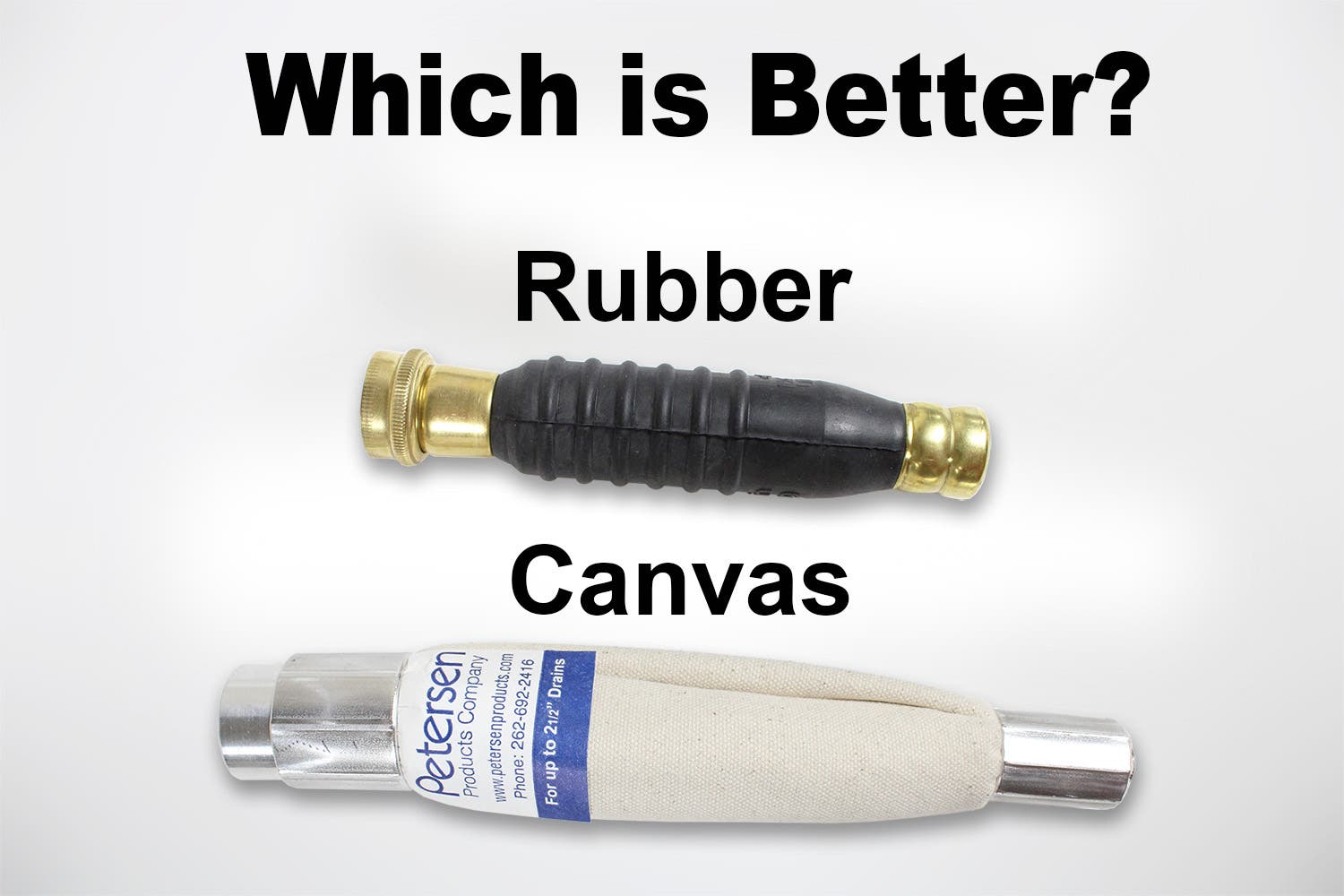
A drain snake is a long metal cable with an auger tip. It reaches deep into pipes to break or pull clogs.
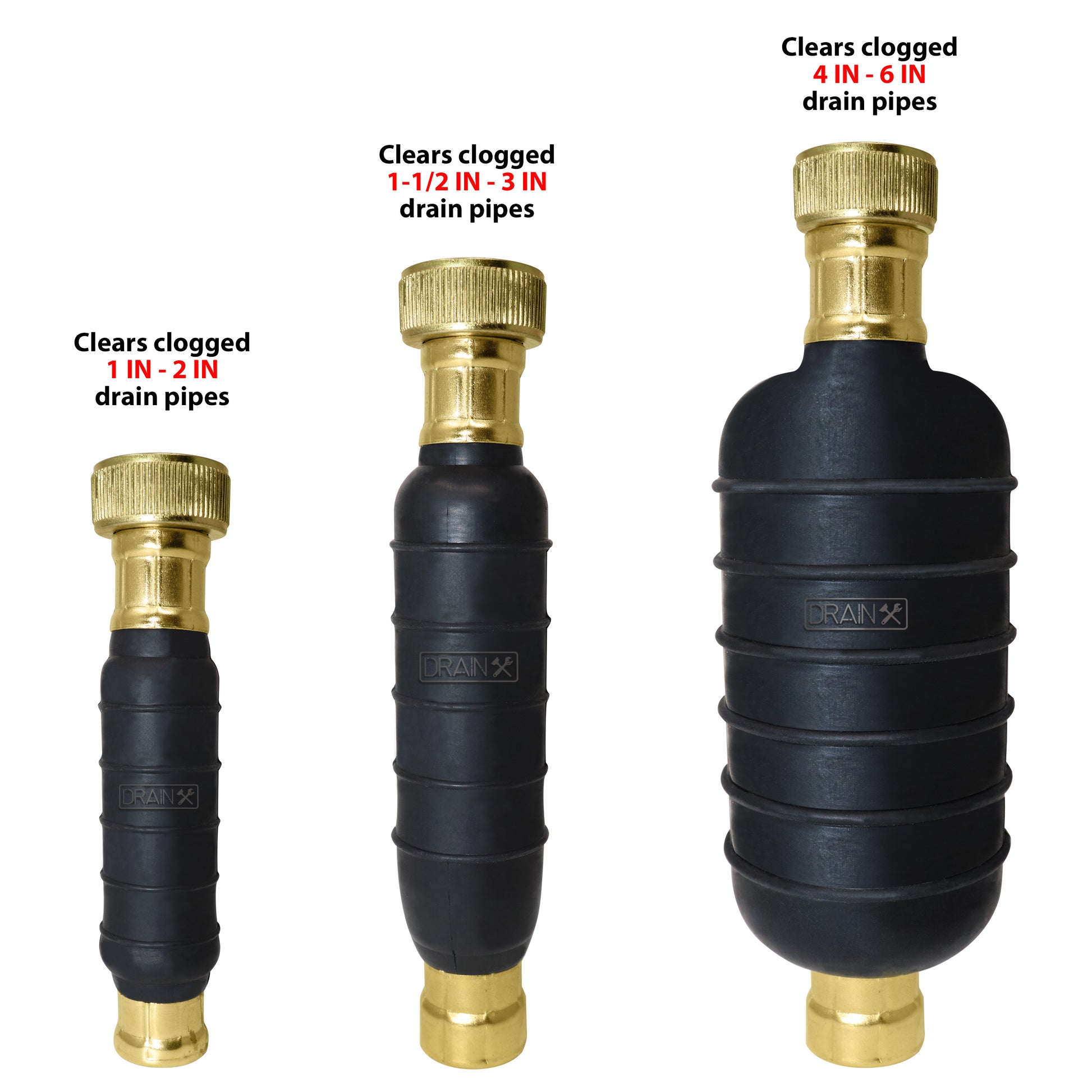
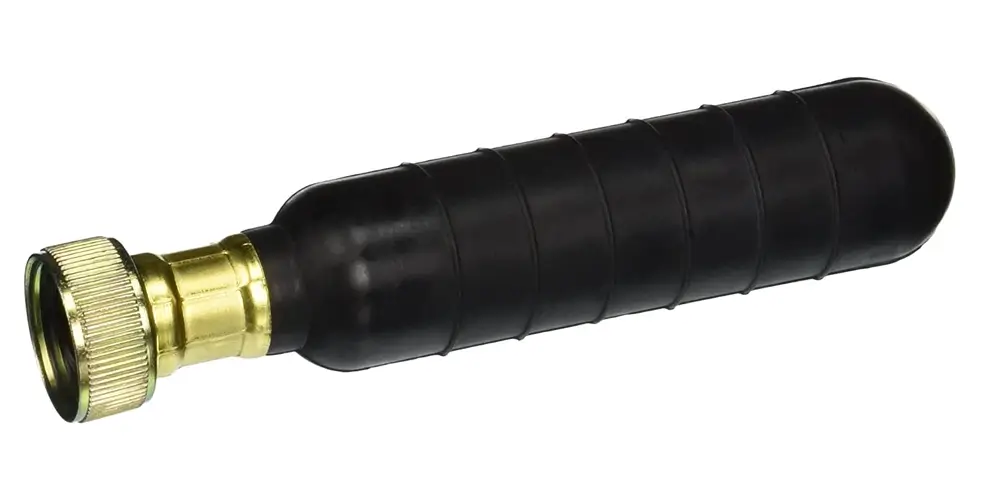
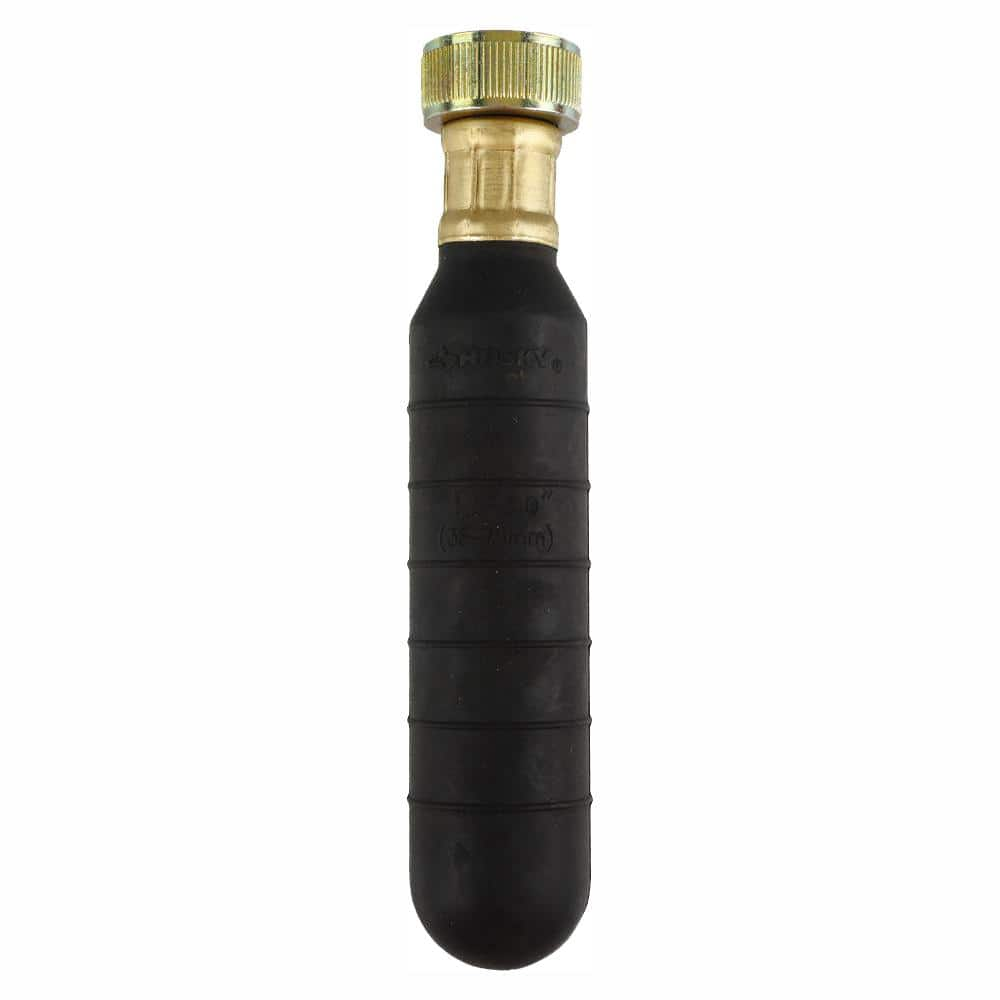
A drain bladder is a rubber inflatable bag that fits into a drain and uses water pressure to push a clog free. It seals the pipe and forces flow through the clog.
These two tools solve many household clogs. Knowing the difference helps you pick the right tool for the job. I use both in my repairs and will share which works best by situation.
How a drain snake vs drain bladder work
A drain snake works by mechanical action. You feed the cable into the pipe. The tip grabs or cuts away hair, grease, or roots. You then pull the clog out or push it along.
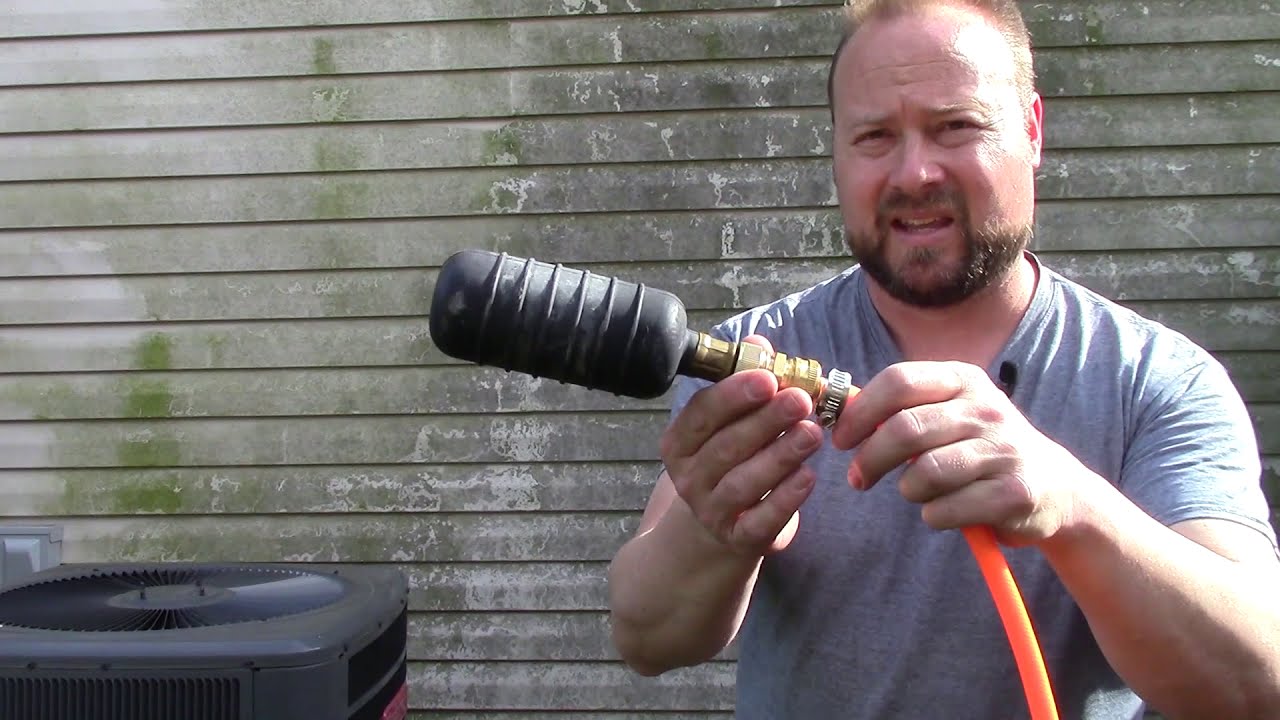
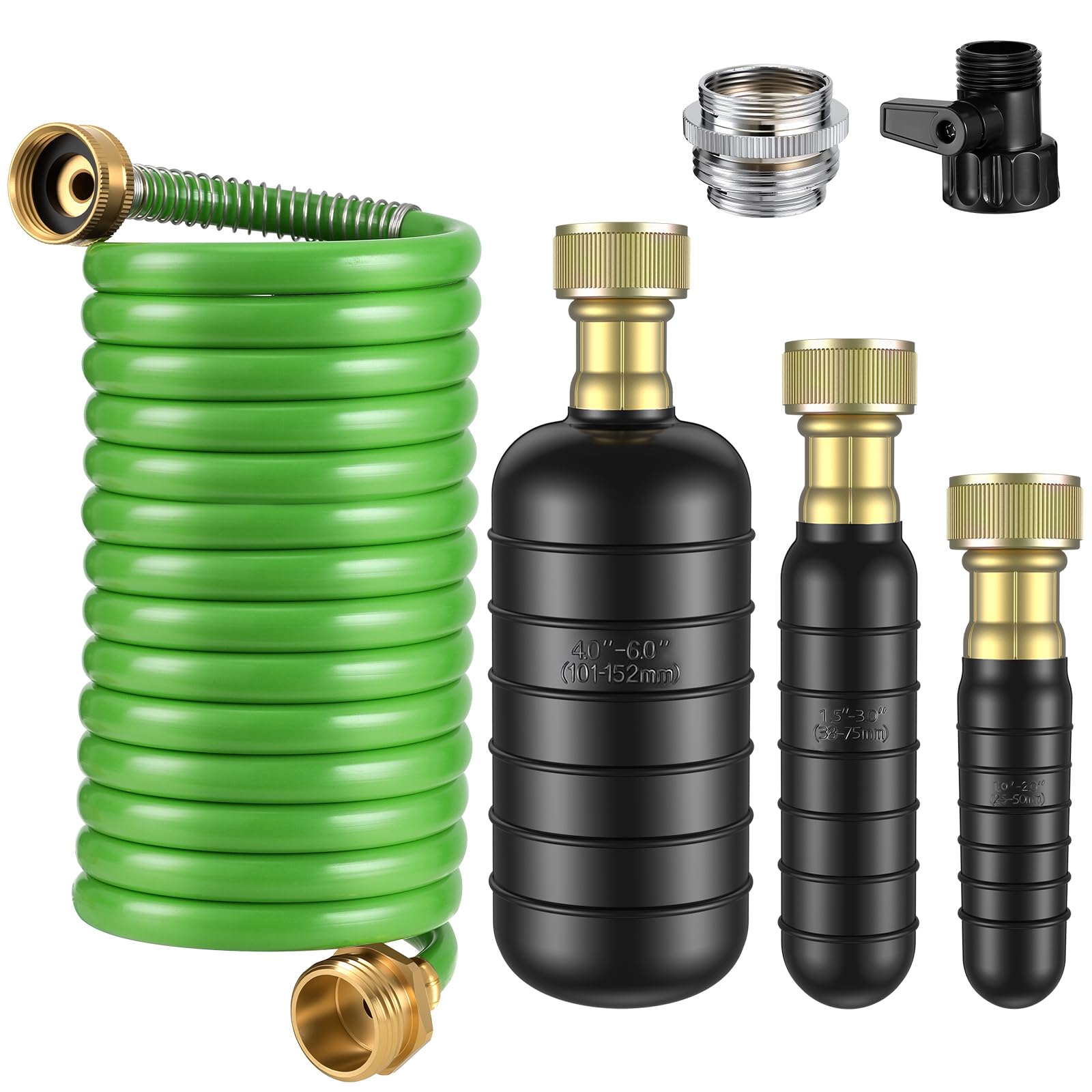
A drain bladder works with hydraulic pressure. You attach it to a garden hose, insert it, inflate, and open the water. The bladder directs water force into the pipe to blow the clog downstream.
Both methods rely on simple physics. The snake cuts and pulls; the bladder uses pressure to clear the obstruction. Each is fast when used in the right scenario, and each can fail if used incorrectly.
Pros and cons of drain snake vs drain bladder
-
Drain snake pros
- Effective on deep and stubborn clogs like roots and solids.
- Can retrieve objects and inspect pipes when used with a camera.
- Works on long runs and traps.
-
Drain snake cons
- Requires skill to avoid pipe damage.
- Metal cable can scratch or harm older pipes.
- Can take more time and effort.
-
Drain bladder pros
- Quick and simple for shallow clogs.
- Easy for most homeowners to use.
- Gentle on pipe interiors compared with metal augers.
-
Drain bladder cons
- Less effective on solid or deep blockages.
- Requires a good seal and enough water pressure.
- Can push a clog further into the system if used wrong.
I often pick a bladder for bathroom sinks and showers. For kitchen drains or tree-root issues, I reach for a snake. Each tool has clear trade-offs.
When to choose a drain snake vs drain bladder
Use a drain bladder when:
- Clog is near the fixture and caused by hair, soap, or soft grease.
- You want a quick, low-effort fix.
- The pipe is PVC or cast iron and you want to avoid scraping it.
Use a drain snake when:
- Clog is deep, dense, or made of solid objects.
- You suspect roots or long pipe runs.
- A bladder failed to clear the blockage.
Real-world scenarios:
- Slow drainage from a bathroom sink after shaving: try a bladder first.
- Persistent kitchen sink backup or recurring clog: use a snake.
PAA-style questions
Can a drain bladder damage pipes?
A properly sized bladder used at moderate pressure is unlikely to harm sturdy pipes, but overinflation or use in old, cracked pipes can cause damage.
Will a snake remove tree roots?
A heavy-duty auger can cut small roots, but extensive root intrusion usually needs professional root removal or pipe repair.

How to use a drain snake safely (step-by-step)
- Protect the area and wear gloves and eye protection.
- Remove the drain stopper or grate.
- Feed the cable slowly until you feel resistance.
- Rotate the handle to cut or hook the clog.
- Pull slowly while keeping tension, then withdraw and clean the cable.
- Flush the drain with hot water to remove residue.
Tips from experience:
- Start gently to avoid pushing the clog deeper.
- If the cable won’t advance or you hear crunching, stop to avoid pipe damage.
- Clean the cable between passes to keep it effective.
How to use a drain bladder safely (step-by-step)
- Choose the right bladder size for the drain opening.
- Insert the deflated bladder into the drain and snug the hose connection.
- Turn water on slowly to seat the bladder, then increase flow to the recommended pressure.
- Run for 30–60 seconds, then turn water off and deflate before removing.
- Flush the drain with hot water after clearing.
Practical notes:
- Use steady water pressure; sudden surges can fail to build proper force.
- If the bladder slips, reposition and try again with a better seal.
- Avoid using on toilets or fragile old clay sewer lines.
Maintenance, safety, and common mistakes
Maintenance tips:
- Clean and dry both tools after use to prevent rust and mold.
- Store cables coiled and bladders deflated in a cool dry place.
- Inspect for frays, cracks, or leaks before each use.
Safety and mistakes to avoid:
- Do not use a snake while someone else flushes or runs water; pressure can spring the cable.
- Avoid chemical drain cleaners before using a snake to prevent splashes that can burn skin.
- Don’t force a snake through a stubborn clog; you risk breaking the cable or the pipe.
Lessons from my experience:
- I once pushed a snake too hard and made a hairline crack in a cast-iron pipe. Stop and reassess if you meet strong resistance.
- I cleared many bathroom clogs faster with a bladder, saving time and avoiding mess.
Cost, availability, and environmental impact
Cost and availability:
- Basic hand snakes and small bladders are inexpensive and sold at hardware stores.
- Heavy-duty augers, electric snakes, or professional bladders cost more but handle tougher jobs.
- Renting a professional snake or camera can be economical for rare, tough jobs.
Environmental impact:
- Both tools avoid chemicals that can harm septic systems and waterways.
- Reusable tools reduce waste versus single-use chemical treatments.
- Homeowner-grade bladder: low cost, good for occasional use.
- Manual drain snake: moderate cost, useful for many repairs.
- Professional services: higher cost but reduce risk and time for complex clogs.
Frequently Asked Questions of drain snake vs drain drain bladder
What is the difference between a drain snake and a drain bladder?
A drain snake mechanically breaks or pulls clogs using a cable. A drain bladder uses water pressure to push the clog downstream. Each works better for different clog types.
Can I use a drain bladder on every drain?
No. A drain bladder works best on accessible, shallow drains with a good seal and solid water pressure. It is not ideal for very deep or solid obstructions.
Will a snake damage my pipes?
A snake can damage old or fragile pipes if used aggressively. Use care, the right size cable, and stop if you feel heavy resistance.
How long does a drain bladder take to work?
A drain bladder often clears simple clogs within 30–60 seconds of proper pressure and seating. Complex blockages may need repeated attempts or a different tool.
Which tool is better for hair clogs in the shower?
Start with a drain bladder for hair clogs; it’s quick and clean. If it fails, move to a drain snake or hair-removal auger for a mechanical pull.
Can I rent professional drain snakes or bladders?
Yes, many hardware stores and tool rental centers offer heavier snakes and bladders for daily rental. Renting can save money for one-off or tough jobs.
Conclusion
Choosing between a drain snake vs drain bladder comes down to the clog type, location, and your comfort level. Use a drain bladder for quick, near-drain clogs and a drain snake for deep, stubborn, or solid obstructions. Start simple, stay safe, and escalate to stronger tools or professionals when needed. Try one tool with care today, learn from the result, and leave a comment or subscribe for more hands-on tips.