Oscillating tools are ideal for flush cuts and tight spots; rotary tools suit carving, grinding, and drilling.
I have spent years using both tools on home repairs, woodworking, and small crafts, so I know the strengths and limits of an oscillating tool vs rotary tool. This guide breaks down how each tool works, real-life uses, safety tips, and buying advice. Read on to make a smart choice and get the right tool for your next project.
How oscillating and rotary tools work
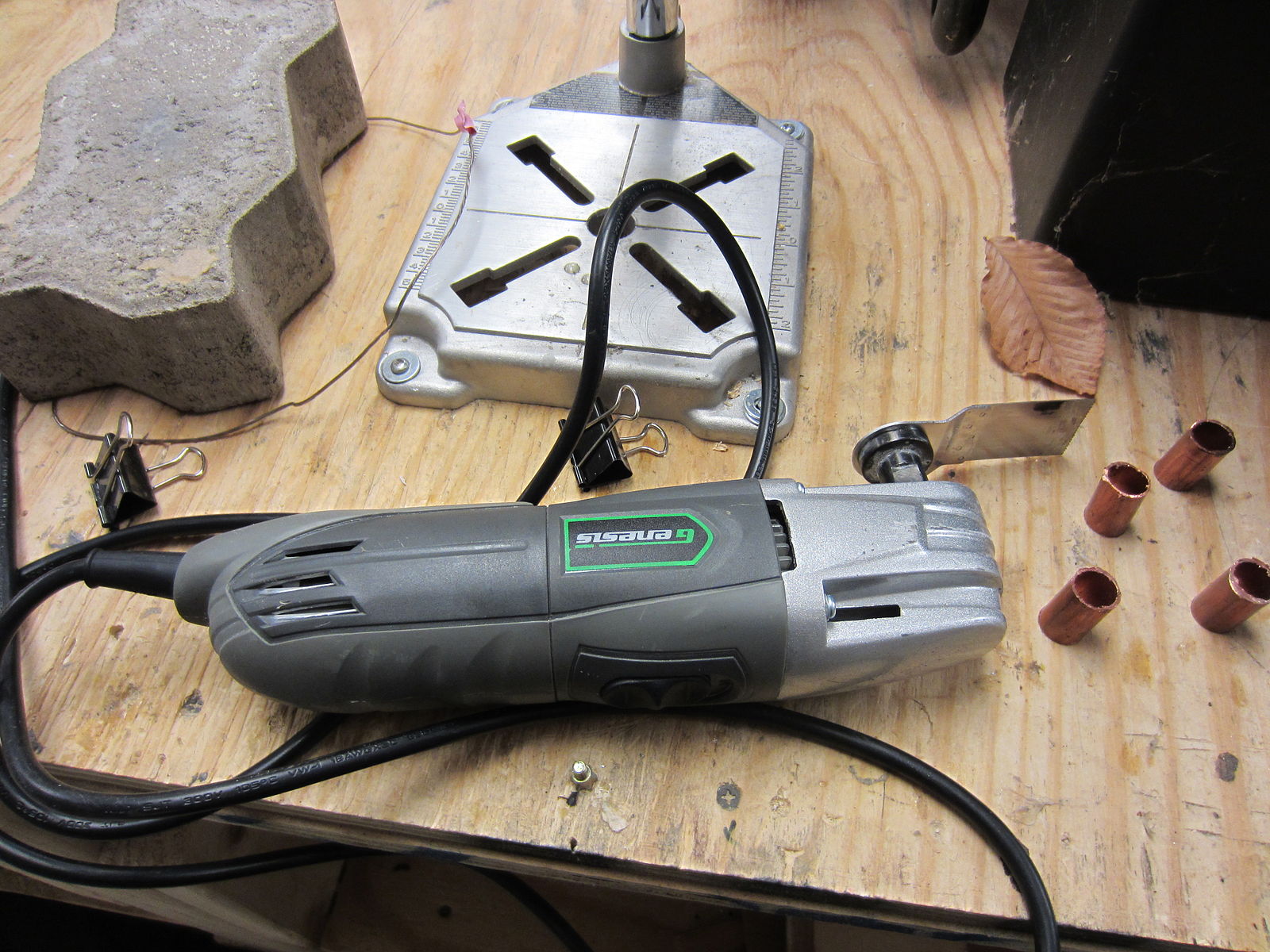
An oscillating tool moves its blade or accessory back and forth in a tiny arc. This small oscillation reduces kickback and lets you make flush cuts and precise plunge cuts. The design makes it strong for cutting through caulk, nails, and thin trim without wandering.
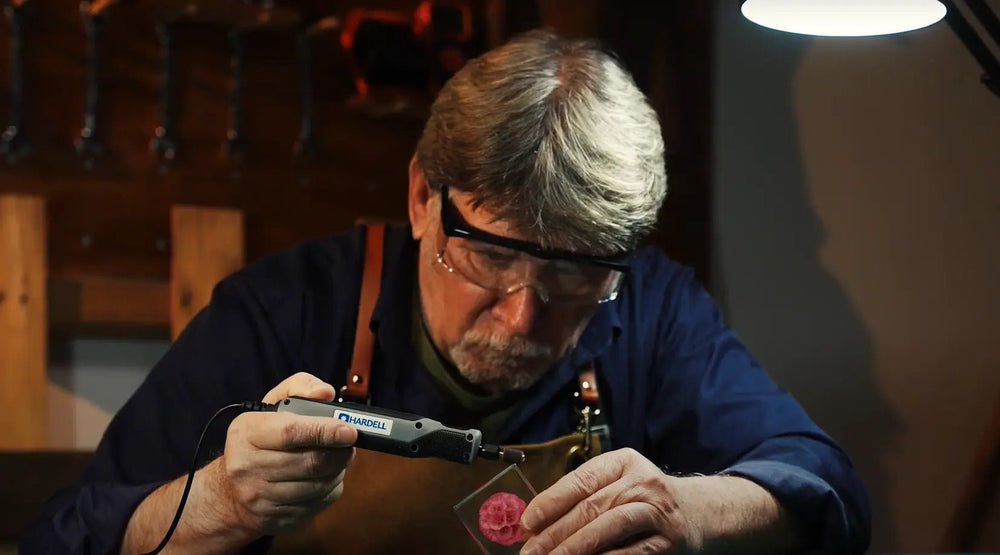
A rotary tool spins accessories at high RPMs. It can drill, sand, grind, carve, and polish with a wide range of bits. The spinning action gives fast material removal and fine detail work, but it can be harder to control for straight, flush cuts.
Using oscillating tool vs rotary tool comes down to motion and control. Oscillating motion gives stability and safety in tight spaces. Rotary motion gives speed and versatility for shaping and drilling.

Key differences at a glance
Motion and control
- Oscillating tool vs rotary tool: oscillating tools use small-angle oscillation for control and low kickback.
- Rotary tools spin bits at high speed for rapid cuts and shaping.
Speed and power
- Oscillating tools usually run slower in surface speed but deliver high torque to cut through nails and trim.
- Rotary tools reach very high RPMs for fine cutting and carving.
Attachments and versatility
- Oscillating tools use flat blades, scraper blades, and sanding pads.
- Rotary tools have drill bits, grinding stones, sanding drums, and cutting wheels.
Precision and finish
- Oscillating tool vs rotary tool: oscillating tools excel at straight, flush cuts and plunge cuts.
- Rotary tools excel at detailed shaping, engraving, and polishing.

Common tasks and use cases
Home repair and remodeling
- Oscillating tool: cutting door jambs, removing grout, trimming bolt heads, and cutting drywall near studs.
- Rotary tool: routing small holes, enlarging screw holes, and polishing metal hardware.
Woodworking and carving
- Oscillating tool: precise cuts for inlays and tight-fit trim.
- Rotary tool: carving letters, shaping small parts, and sanding tight contours.
Metal and masonry
- Oscillating tool: can cut thin metal or embedded fasteners with the right blade.
- Rotary tool: grinding and cutting small sections of metal, drilling pilot holes in tile with the right bit.
Crafts and hobbies
- Oscillating tool vs rotary tool: I use a rotary tool for model detail and a small oscillating blade for trimming glued joints. Each tool fits different steps in the same project.

Pros and cons
Oscillating tool pros
- Great for flush and plunge cuts.
- Low vibration and easy control.
- Safer near finished surfaces.
Oscillating tool cons
- Limited to flat blades and sanding pads.
- Slower for material removal.
Rotary tool pros
- Extremely versatile with many accessories.
- Fast cutting, sanding, and engraving.
- Compact and ideal for detail work.
Rotary tool cons
- Less stable for straight cuts.
- Higher risk of gouging if misused.
When weighing oscillating tool vs rotary tool, think about the task. If you need controlled, safe cuts near surfaces, pick oscillating. If you need creative shaping and speed, pick rotary.
Safety and maintenance
Safety tips for both tools
- Always wear eye protection and a dust mask.
- Keep fingers clear of moving parts and secure the workpiece.
Oscillating tool care
- Change blades when they dull to avoid forcing cuts.
- Clean the tool baseplate after heavy debris exposure to keep oscillation smooth.
Rotary tool care
- Replace worn bits and use correct collets for grip.
- Let bits cool between long cuts to avoid breakage.
Personal note: I once pushed a dull blade to finish a trim cut and ruined the workpiece. Replacing blades and bits promptly saves time and money.

Buying guide and tips
Decide your main tasks first. If you do remodeling and demo, prioritize an oscillating tool. If you do crafting, model work, or detailed metalwork, prioritize a rotary tool.
Power and battery
- For heavy cuts, choose higher voltage cordless oscillating tools or corded models.
- For long hobby sessions, pick a rotary tool with good heat dissipation and variable speed.
Accessories and compatibility
- Check blade and bit systems for availability and cost.
- Look for universal accessory adaptors to expand options.
Budget and value
- Midrange oscillating tools and rotary tools offer the best balance of power and price for most users.
- Spend more on a durable motor and comfortable grip if you use the tool often.
Personal tip: I bought a midrange oscillating tool and a premium rotary tool. That combo handled most house projects and craft work well. It saved me from buying two top-tier tools.

Frequently Asked Questions of oscillating tool vs rotary tool
What is the main difference between an oscillating tool vs rotary tool?
The main difference is motion: oscillating tools use a tiny back-and-forth arc, while rotary tools spin accessories at high speed. That difference affects control, precision, and the jobs each handles best.
Can an oscillating tool replace a rotary tool?
Not fully. An oscillating tool can handle many cutting and scraping jobs but lacks the speed and variety of bits for detailed carving and grinding that a rotary tool offers.
Which tool is safer for beginners?
An oscillating tool is generally safer for beginners because its small oscillation reduces kickback and it is easier to control for flush cuts. Proper PPE and care are still required.
Are there specific attachments I need for tile or metal work?
Yes. For tile use diamond or carbide grit blades. For metal, use metal-cutting blades and reinforced cutting wheels. Match the accessory to the material for best results.
How do I choose between corded and cordless models?
Choose corded for consistent power during heavy demo or long sessions. Choose cordless for mobility and quick fixes around the house. Battery life and voltage matter for performance.
Conclusion
The right tool depends on the job. Choose an oscillating tool if you need precise, flush, and safe cuts near finished surfaces. Choose a rotary tool if you need speed, detail, and many accessory options. Use both when a project asks for both control and fine detail.
Try a small test project with each tool to see which fits your work style. Share your experience, ask questions, or comment below to get tailored advice.