Adjustable wrench is for flexibility; combination wrench offers exact fit and stronger torque.
I’ve spent years in workshops and on job sites testing and teaching tool use, so I know what matters when you weigh adjustable wrench vs combination wrench. This article breaks down design, strength, common uses, pros and cons, and buying and care tips. Read on to learn which tool fits your work, save time, and avoid common mistakes.
:max_bytes(150000):strip_icc()/types-of-wrenches-6831283-V1-18ad13e48b3a47eebdcf471e0d139844.jpg)
Quick overview: what each tool is and when to reach for it
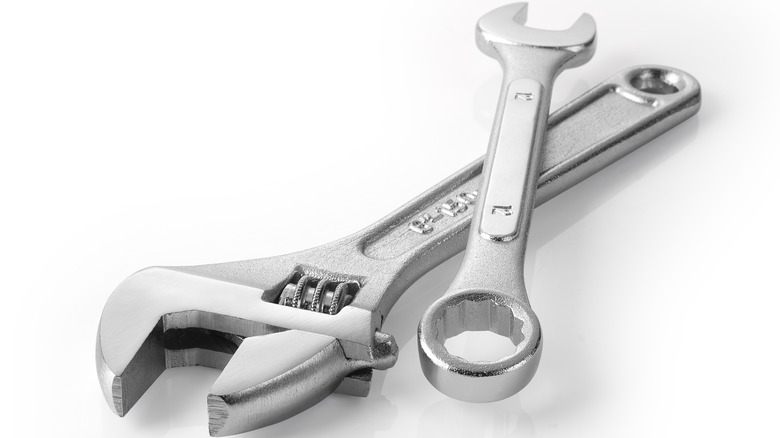
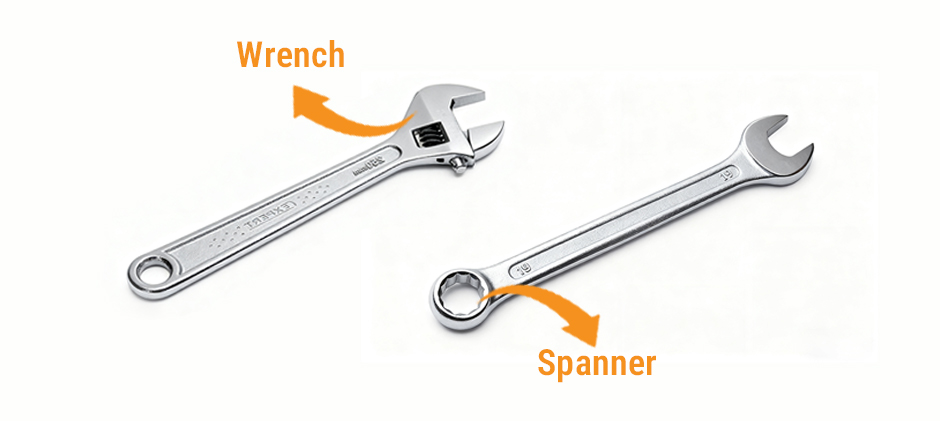
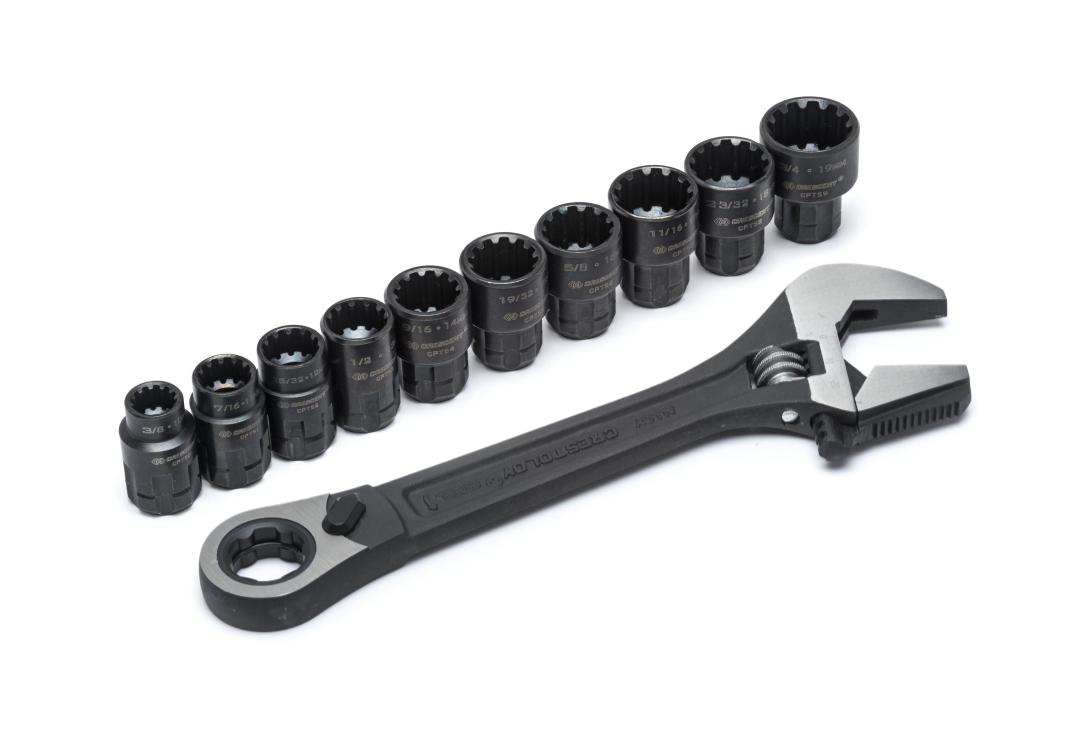
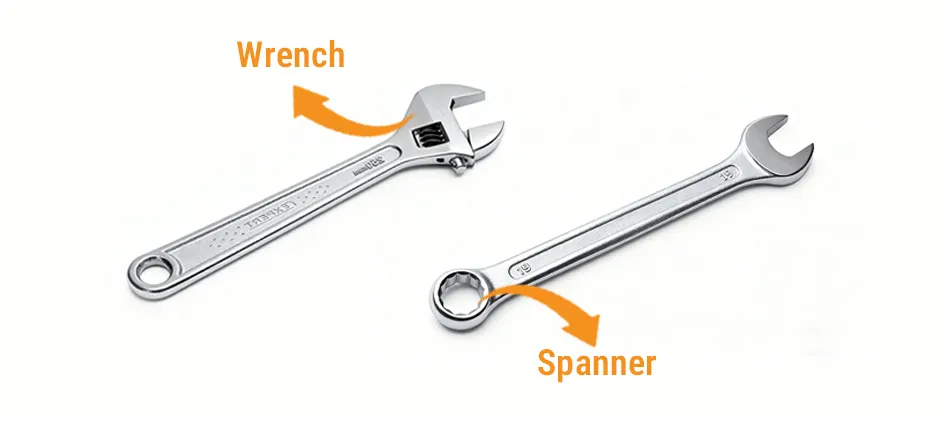
An adjustable wrench has one fixed jaw and one moveable jaw that you set to fit many sizes. A combination wrench is a one-piece tool with an open end on one side and a boxed (ring) end on the other. When comparing adjustable wrench vs combination wrench, size range and fit are the main trade-offs: adjustable tools give flexibility, combination wrenches give exact fit and better torque. I use both, but for critical fasteners I pick the combination wrench every time.
Design and how they work
Adjustable wrench design
- One movable jaw that slides on a worm gear.
- Wide jaw span for multiple fastener sizes.
- Thicker head; less precise jaw alignment.
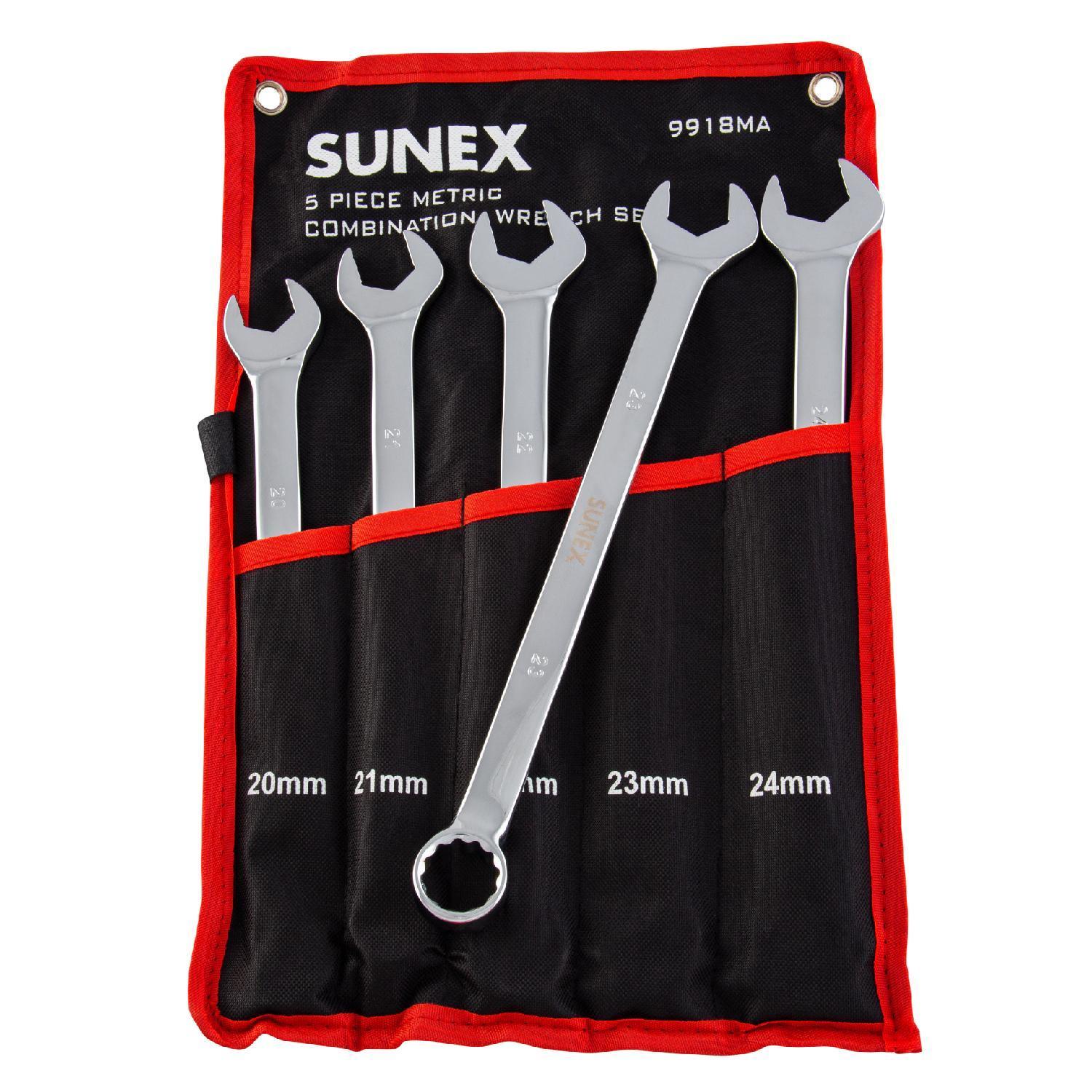
Combination wrench design
- One open end for quick turns.
- One boxed end for full contact and torque.
- Sized to a single fastener measurement for precise fit.
How they function in practice
- Adjustable wrench vs combination wrench performance differs most under load. The adjustable slips more easily if not set tightly.
- Combination wrench gives even pressure on flats, reducing rounding risk.
When I need speed with varied sizes, I grab an adjustable wrench. When I need torque and safety, I choose a combination wrench.
Strengths and weaknesses
Strengths of the adjustable wrench
- Versatility: replaces several fixed wrenches in one tool.
- Good for odd sizes or when you do not own a full set.
- Useful for light plumbing and occasional tasks.
Weaknesses of the adjustable wrench
- Less precise fit; can round fastener corners.
- Bulkier jaw makes access in tight spaces harder.
- Can slip under heavy torque.
Strengths of the combination wrench
- Exact fit reduces slippage and damage.
- Ring end distributes force evenly for higher torque.
- Slim profile helps reach tight spots.
Weaknesses of the combination wrench
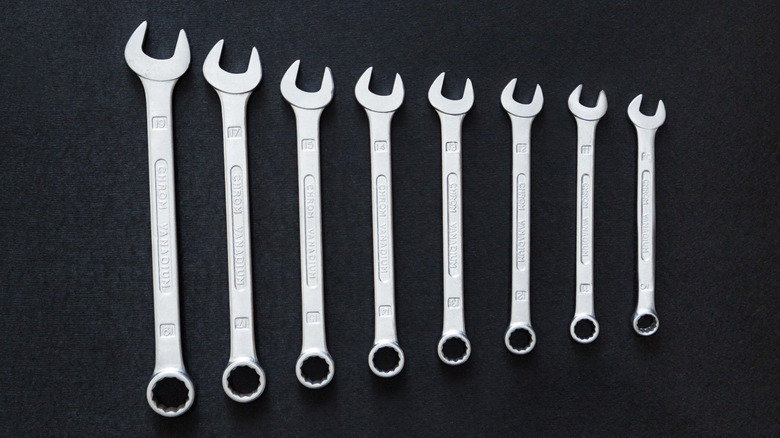
- Requires a full set to cover many sizes.
- More tools to carry and organize.
- Slightly less flexible for unusual fastener sizes.
When thinking of adjustable wrench vs combination wrench, consider if you need one tool to handle many sizes or the safest, most secure fit for heavy work.
Typical use cases and real-world examples
When to use an adjustable wrench
- Quick household fixes where you don’t know the exact nut size.
- Field work when carrying fewer tools matters.
- Temporary adjustments on plumbing fittings.
When to use a combination wrench
- Automotive repairs on bolts and nuts that need torque.
- Mechanical work where rounded fasteners can cause more damage.
- Tight spaces where slim access matters.
Real example from my work
- I once used an adjustable wrench to loosen a seized pipe nut at a job site. It worked, but I rounded a corner when the wrench shifted. Later I switched to a properly sized combination wrench and finished without damage. That taught me to reserve adjustable wrench use for non-critical or one-off tasks.
How to choose: buying tips and what to look for
Fit your choice to the task
- If you want one tool for many jobs, buy a high-quality adjustable wrench.
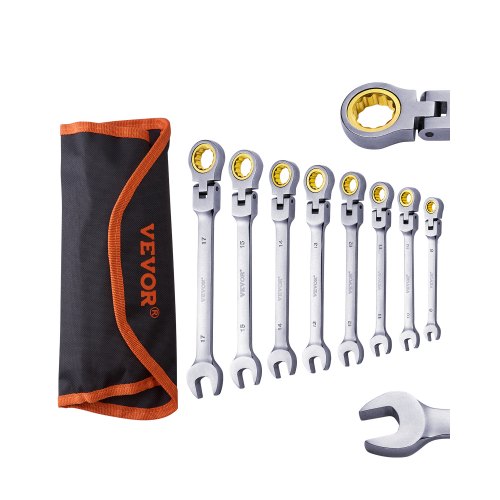
- If you do repeated mechanical work, invest in a full combination wrench set.
Material and build
- Look for chrome-vanadium steel or similar alloys for strength.
- For adjustable wrench vs combination wrench durability, check that jaws and box ends are machined, not cast.
Jaw precision and finish
- Adjustable wrench: minimal play in the worm gear means less slip.
- Combination wrench: tight tolerance at the boxed end ensures full contact.
Set vs single tool
- Buy a set of combination wrenches for cars, bikes, and machines.
- Buy 1 or 2 adjustable wrenches for plumbing or quick fixes.
Price and lifetime
- Spend a little more for tools that last and save money long term. Good tools are safer and reduce repair time.
Maintenance, safety, and best practices
Maintenance tips
- Keep jaws clean and dry. Wipe tools after use.
- Lightly oil the sliding screw of adjustable wrenches.
- Store combination wrenches in a rack to prevent nicking.
Safety tips
- Use the right size. An exact fit prevents slips.
- Pull tools toward you when possible. Push can cause sudden slips.
- Don’t use adjustable wrench vs combination wrench as a hammer.
Common mistakes to avoid
- Over-tightening an adjustable wrench can damage the worm gear.
- Using the open end of a combination wrench for heavy torque if the boxed end would fit better.
- Relying on an adjustable wrench for bolts that need precise torque.
Practical comparisons: torque, access, and speed
Torque
- Combination wrenches give better torque because the box end contacts more sides.
- Adjustable wrench vs combination wrench torque comparison favors the combination wrench for high-force jobs.
Access and reach
- Combination wrenches often reach further into tight spots.
- Adjustable wrench jaws can be thicker and block access.
Speed
- Adjustable wrench saves time when you have mixed sizes.
- Combination wrench is faster when you have the right size in hand.
PAA-style quick questions
- Can an adjustable wrench replace a combination wrench? Yes for light tasks, but it risks rounding tight fasteners if used under high torque. Keep a set of combination wrenches for precision jobs.
- Will a combination wrench slip less? Yes. The box end gives full contact and reduces slippage compared to adjustable jaws.
- Which tool is best for plumbing? Many plumbers use adjustable wrench for pipe fittings and combination wrenches for hardware that needs higher torque.
Personal experience and lessons learned
From my years on the job, I learned to carry both. A 10-inch adjustable wrench saved me time on odd fittings. A set of combination wrenches saved me time and money by preventing damaged bolts. I once ruined a bolt by using an adjustable wrench under heavy load. After that I started matching tools to tasks. My best advice: use adjustable wrench vs combination wrench based on risk and frequency. If a nut is important or costly to replace, use a combination wrench.
Frequently Asked Questions of adjustable wrench vs combination wrench
Which is stronger for high torque work?
Combination wrenches are stronger for high torque because the boxed end contacts more sides of the fastener, reducing slippage and rounding. Adjustable wrenches can handle torque but are prone to slip if not set perfectly.
Can an adjustable wrench damage fasteners?
Yes. If not adjusted tightly, the movable jaw can slip and round the corners of nuts or bolts. Use a combination wrench for critical or tight fasteners to avoid damage.
Do I need a full set of combination wrenches?
If you work on cars, bikes, or machines regularly, a full set is highly recommended for efficiency and safety. For occasional work, a few commonly used sizes plus an adjustable wrench may suffice.
How should I maintain an adjustable wrench?
Keep the jaws clean and lightly oil the worm gear to prevent binding. Store the wrench in a dry place to avoid rust and check jaw play periodically.
Is one tool enough for a basic home toolbox?
A single adjustable wrench can cover many sizes and is fine for basic tasks. However, adding a few combination wrenches for common sizes reduces the chance of stripping or rounding fasteners.
Conclusion
Choosing between adjustable wrench vs combination wrench depends on your needs. Pick adjustable wrenches for flexibility and light tasks. Choose combination wrenches for secure fit, higher torque, and tasks where fastener care matters. Start by assessing your work: if you value speed and space, go adjustable; if you value precision and strength, build a set of combination wrenches. Try both on real jobs, note what fails, and adjust your kit. If this guide helped, leave a comment with your go-to wrench, or subscribe to learn more tool tips and buying advice.