LED desk lamps suit focused tasks; floor lamps provide broader ambient room lighting overall.
I’ve tested dozens of lights in real homes and workspaces. This guide compares led desk lamp vs floor lamp with hands-on insights, clear specs, and practical buying tips so you choose the right light for your space and tasks. Read on for performance, cost, design, and real-world advice that cuts through marketing claims.

How LED desk lamps and floor lamps differ
LED desk lamps are task-focused lights. They sit close to work surfaces and deliver concentrated light for reading, studying, and detailed tasks. Desk lamps often have adjustable arms, directed beams, and high lumen output per square foot.
Floor lamps light larger areas. They stand on the floor and spread light up or across a room. Floor lamps are typically used for ambient light, mood, or to supplement overhead lighting.
Key physical differences
- Size and placement: desk lamps are compact and sit on desks; floor lamps need floor space.
- Beam pattern: desk lamps focus light downward; floor lamps scatter light more broadly.
- Control and features: desk lamps often include dimmers, color temperature controls, and USB ports.
Lighting performance: brightness, color, and coverage
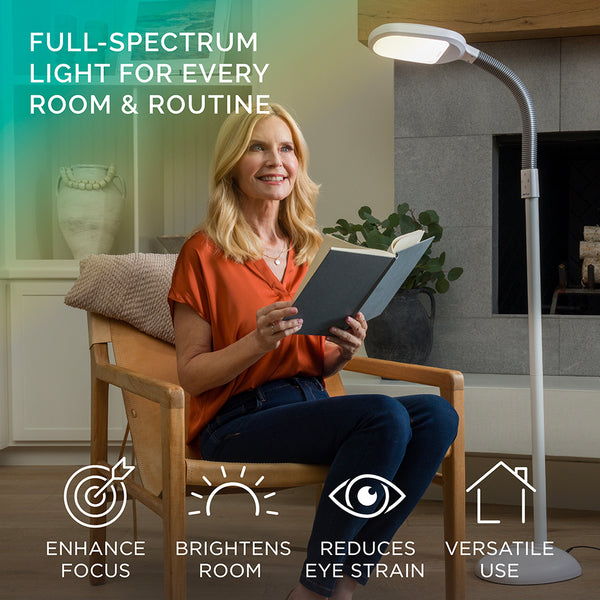
Brightness: measure in lumens. Desk lamps pack more lumens into a small area to reduce shadows and boost contrast. Floor lamps produce fewer lumens per square foot but cover larger zones.
Color and eye comfort: look for CRI 80+ for accurate color. Color temperature affects mood. Desk work benefits from 4000K to 5000K neutral-white light. Floor lamps often use warmer 2700K to 3000K tones for cozy ambiance.
Glare and contrast: a good led desk lamp vs floor lamp comparison must consider glare. Desk lamps with proper diffusers reduce direct glare. Floor lamps with uplight features soften contrast and reduce eye strain in living areas.

Design, size, and space considerations
Desk lamp fit: check desk depth and monitor placement. You want an arm that reaches over the workspace without casting screen reflections. Compact bases and clamp mounts save space.
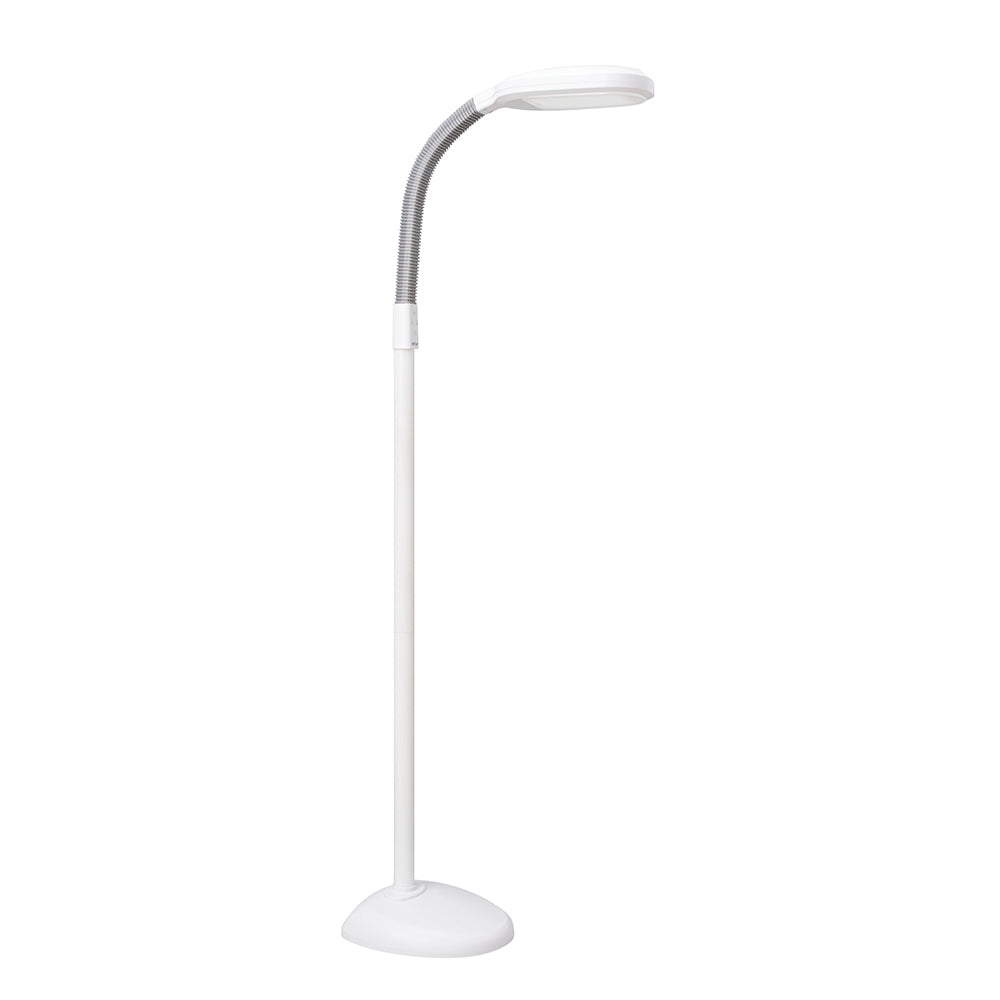
Floor lamp fit: measure ceiling height and furniture layout. Torchiere floor lamps need taller ceilings to avoid harsh uplight. Arc floor lamps require clear floor space to sweep the lamp head over seating or side tables.
Style and decor: both lamp types come in modern, industrial, and classic styles. Choose finishes and shapes that complement furniture and scale with room size.

Energy efficiency, lifespan, and cost
Energy use: LED technology saves energy compared with older bulbs. Both led desk lamp vs floor lamp options often use similar LED modules, so power draw depends on brightness and features.
Lifespan: quality LEDs commonly last 25,000 to 50,000 hours. That reduces replacement frequency and cost over time.
Upfront cost vs long-term value
- Desk lamps: often cheaper upfront for basic models; feature-rich models cost more.
- Floor lamps: higher initial cost due to larger builds; they can replace multiple fixtures and add value to a room.
Consider warranty and replaceable parts when evaluating long-term value.

Use cases: where each lamp excels
When to choose a led desk lamp
- Focused tasks like reading, writing, and crafting.
- Small workstations or dorm rooms where space is limited.
- When you need adjustable color temperature or direct control.
When to choose a floor lamp
- Adding ambient light to living rooms and bedrooms.
- Lighting large reading nooks or corners.
- When you want a decorative fixture that fills vertical space.
Hybrid setups work well. I often pair a led desk lamp vs floor lamp combination in home offices: a desk lamp for task light and a floor lamp for ambient balance.
Buying guide: how to choose the right lamp
Step 1 — Define purpose
- Task, ambient, accent, or a mix.
- Place the lamp near the area you need lit.
Step 2 — Check specs
- Lumens for brightness.
- CRI for color fidelity.
- Color temperature for mood.
Step 3 — Look for useful features
- Adjustable arm and swivel head for desk lamps.
- Dimmer switches and multiple bulbs for floor lamps.
- Smart controls, USB ports, and touch sensors for convenience.
Step 4 — Fit and safety
- Mind the lamp’s base stability and cord length.
- Ensure materials and certifications meet local safety standards.

Personal experience and practical tips
From testing, a few lessons stand out. First, brighter isn’t always better; aim for the right lumen density for the task. I once used a high-lumen floor lamp for desk work and ended up with screen glare. Swapping to a focused LED desk lamp solved the problem.
I also learned to prioritize adjustable color temperature. A warm light at night helps winding down, while neutral light improves focus during the day. If you can, try lamps in your space before buying. Lighting looks different in each room.
Practical tips I use
- Place the desk lamp opposite your dominant hand to reduce shadows.
- Use a floor lamp with uplight to soften contrast when using bright monitors.
- Choose dimmable models to match light levels to time of day.
Frequently Asked Questions of led desk lamp vs floor lamp
Which is better for reading: led desk lamp vs floor lamp?
For close-up reading, a led desk lamp is usually better because it delivers focused light directly onto the page. Floor lamps work well for casual reading if they provide directed or task-specific light.
Do LED desk lamps reduce eye strain more than floor lamps?
They can, if aimed correctly and set at the right color temperature and brightness. Desk lamps reduce contrast and shadow on work surfaces, which helps eye comfort.
Are floor lamps more energy efficient than desk lamps?
Not inherently. Efficiency depends on the LED modules and brightness. Both lamp types use similar LED tech; energy use rises with brightness and features.
Can a floor lamp replace a desk lamp in a home office?
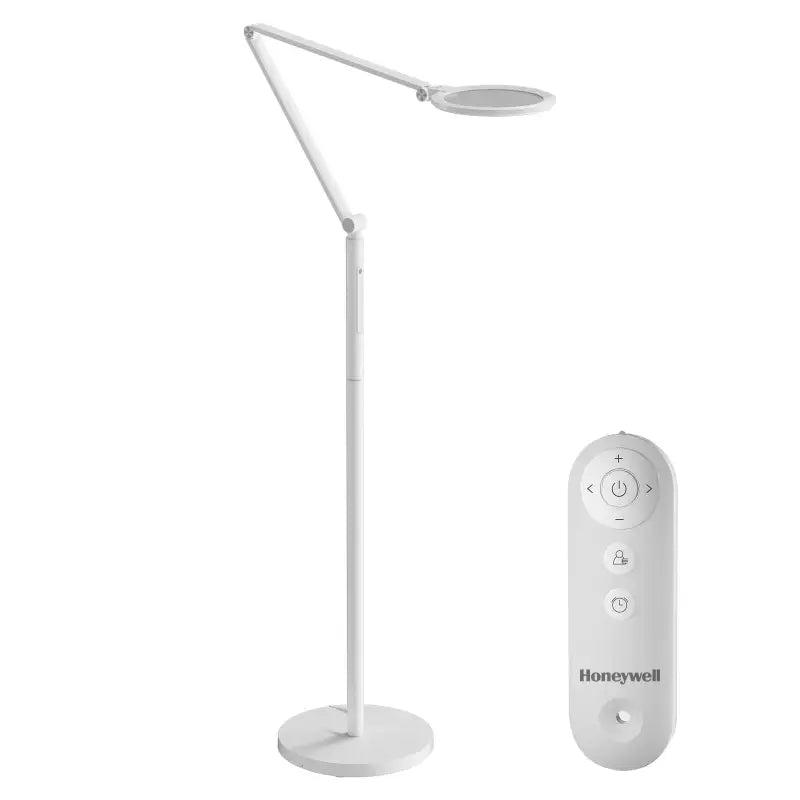
It depends on the lamp and desk setup. Some floor lamps with adjustable heads can serve as task lights, but a dedicated desk lamp often gives better control and focused illumination.
What should I look for in a quality LED desk lamp?
Look for adjustable arm and head, dimming and color temp control, high CRI (80+), and stable base or clamp. Usable controls and a reliable warranty are also important.
How do I avoid glare from lamps near screens?
Position the light so it does not reflect on the screen and use diffused bulbs or shades. Lower the color temperature and brightness if reflections persist.
Conclusion
Choosing between a led desk lamp vs floor lamp comes down to purpose, space, and control. Pick a desk lamp for focused work and a floor lamp for ambient or decorative lighting. Often the best result is a layered setup that uses both types to balance task light and room glow.
Takeaway: define what you need, check lumens and CRI, and favor adjustable features. Try lights in your space when possible, and choose lamps that match your routine and decor. Share your experience, subscribe for more guides, or leave a comment about your lighting setup.