Air purifiers clean air; humidifiers add moisture—each fixes different home air problems.
As a long-time home health enthusiast and writer, I’ve tested and compared many devices. This article explains air purifier vs humidifier clearly. You will learn how each device works, when to choose one or both, health benefits and risks, maintenance tips, and buying advice. I blend research with hands-on experience so you can make a smart choice for your home.

How They Work
Air purifiers remove airborne particles and some gases. They use filters, fans, and sometimes UV or ion technology to trap dust, pollen, smoke, and pet dander. Air purifiers help when air quality is poor or allergy triggers are present.
Humidifiers add moisture to dry indoor air. They release fine water mist or vapor. This raises relative humidity and helps with dry skin, throat irritation, and static electricity.
Both devices change indoor air, but in different ways. When thinking about air purifier vs humidifier, remember one cleans and the other humidifies.
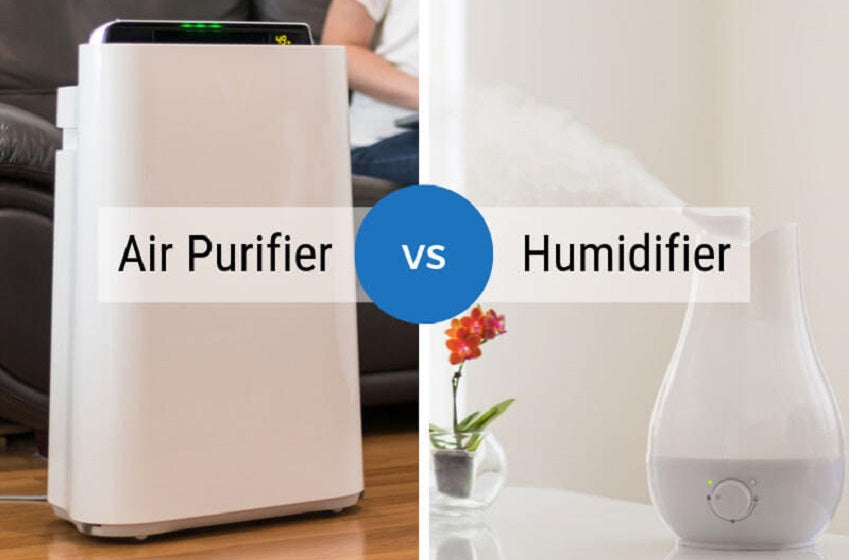
Key Differences: Air Purifier vs Humidifier
Understanding core differences makes the choice simple.
- Purpose: Air purifiers clean particles and some gases. Humidifiers increase humidity levels.
- Main components: Purifiers use filters and fans. Humidifiers use water tanks and wicks, ultrasonic plates, or steam.
- Problems solved: Purifiers reduce allergens and smoke. Humidifiers ease dryness and nasal irritation.
- When active: Purifiers run when air is polluted. Humidifiers run when humidity is low.
Practical note: Running an air purifier in a very dry room won’t add moisture. Running a humidifier won’t remove allergens. When comparing air purifier vs humidifier, think of them as complementary tools rather than direct substitutes.

When to Use Each
Choose by the problem you want to solve.
-
Use an air purifier if:
- You have allergies, asthma, or live near pollution sources.
- You smell smoke or cooking odors often.
- You want to reduce airborne viruses and mold spores.
-
Use a humidifier if:
- Indoor air is dry below about 30% relative humidity.
- You have dry skin, cracked lips, sore throat, or static shocks.
- You want to preserve wooden furniture or musical instruments.
-
Use both if:
- You have allergies plus dry air.
- You live in a cold, dry climate with occasional pollution.
- You want clean, comfortably humid air year-round.
PAA-style question 1: When should I run an air purifier vs humidifier during winter?
- Run a humidifier when humidity dips below 30% and an air purifier when indoor allergens spike or you notice smoke. Both can run together carefully to maintain balanced air.
PAA-style question 2: Can a humidifier make allergies worse compared to an air purifier?
- Yes, if humidity is too high or the humidifier isn’t cleaned. High humidity can boost dust mites and mold, while an air purifier helps reduce those allergens.

Health Benefits and Risks
Both devices offer benefits, but also have limits.
Benefits of air purifier:
- Reduces dust, pollen, and pet dander.
- Lowers smoke and many airborne particles.
- Can ease allergy and asthma symptoms.
Risks and limits of air purifier:
- Not all remove gases or very fine particles equally.
- UV and ion types vary in effectiveness and may produce ozone if poorly designed.
- Filter replacement is required for continued performance.
Benefits of humidifier:
- Relieves dry throat, nose, and skin.
- Can reduce nosebleeds and cracked lips.
- Makes breathing easier for some cold and flu symptoms.
Risks and limits of humidifier:
- Too much humidity causes mold and dust mite growth.
- Dirty water tanks spread bacteria or mold into the air.
- Incorrect humidity can worsen respiratory issues.
When weighing air purifier vs humidifier for health, consider the specific symptoms and test indoor humidity and air quality.

Maintenance and Common Mistakes
Good upkeep keeps devices safe and effective.
Air purifier maintenance tips:
- Replace filters on the schedule recommended by the manufacturer.
- Clean pre-filters and vacuum vents monthly.
- Place units away from walls and obstructions for better airflow.
Humidifier maintenance tips:
- Use clean, distilled or demineralized water when possible.
- Empty and dry the tank daily to avoid bacteria growth.
- Deep clean weekly and change filters or wicks per instructions.
Common mistakes to avoid:
- Running a humidifier without monitoring humidity levels.
- Forgetting filter changes for air purifiers.
- Placing humidifiers near electronics or wood without protection.
Neglect causes poor performance and health risks. Proper care makes either device safe and helpful when comparing air purifier vs humidifier.
Buying Guide: Choose the Right Device
Start with needs, then pick features.
Step 1: Assess your needs
- Check if you feel symptoms from dry air or from dust and allergens.
- Measure humidity with a hygrometer.
- Note room size and common pollutants.
Step 2: Choose features
- For air purifiers, look for True HEPA filters, CADR ratings, and low ozone emission.
- For humidifiers, choose between cool-mist, warm-mist, or ultrasonic; check tank size and ease of cleaning.
- Consider energy use, noise level, and replacement part costs.
Step 3: Match capacity
- Match purifier CADR or humidifier output to room square footage.
- Overpowered units in small rooms waste energy; underpowered units underperform.
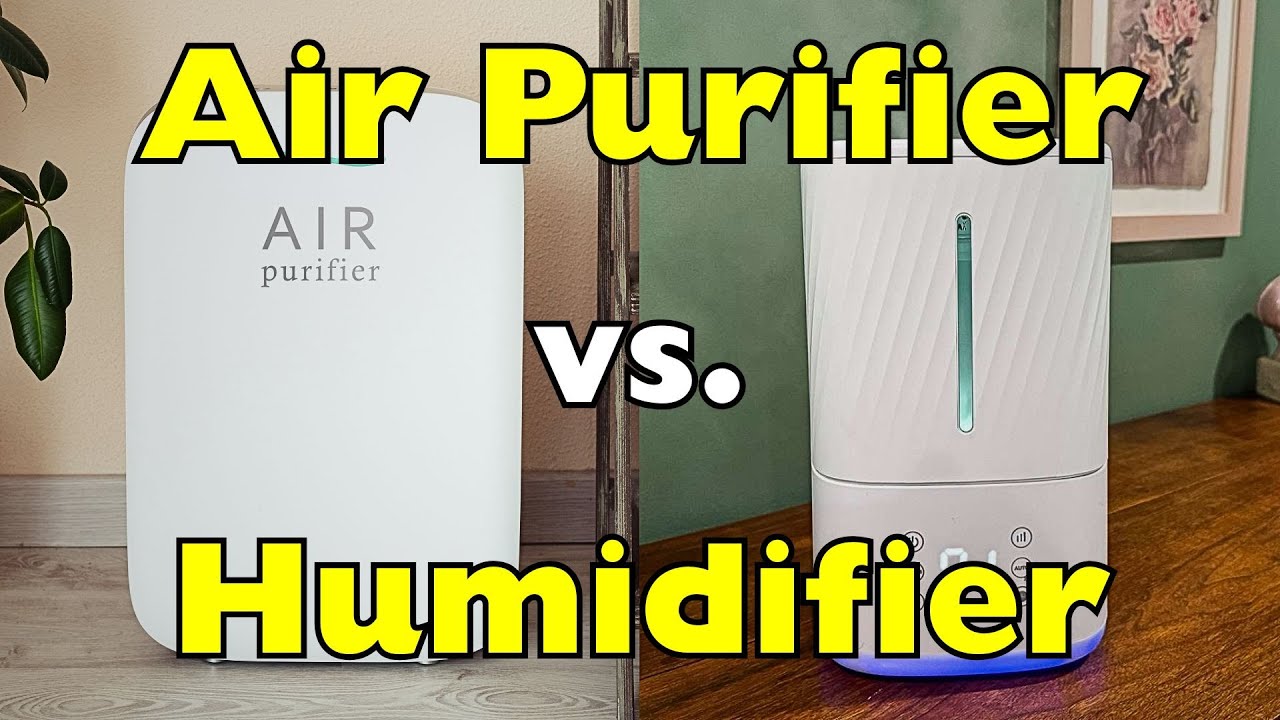
When shopping for air purifier vs humidifier, prioritize safety, proven filtration, and easy maintenance.
Personal Experience and Tips
I have used both devices in bedrooms and living rooms for several years. A few lessons I learned:
- Tip 1: Start with a hygrometer and an allergy tracker to see what helps most.
- Tip 2: A small air purifier near my bed reduced night coughing within days.
- Tip 3: A humidifier helped my dry skin but only when I kept humidity around 40%.
- Mistake I made: I once ran a humidifier too long and created mildew on a window frame. After that I set an auto-shutoff tied to a hygrometer.
My advice: test, tune, and maintain. Use the right tool for the right symptom when deciding on air purifier vs humidifier.

Frequently Asked Questions
What is the main difference between an air purifier and a humidifier?
An air purifier removes particles and some gases from the air. A humidifier adds moisture to dry air to raise humidity levels.
Can I use an air purifier and humidifier together?
Yes. Use them together when you need both cleaner air and added moisture. Monitor humidity and change filters to avoid mold growth.
Which is better for allergies: an air purifier or a humidifier?
An air purifier is better for allergies because it reduces pollen, dust, and pet dander. A humidifier may help nasal dryness but can worsen allergies if humidity gets too high.
How often should I clean and replace filters or tanks?
Clean humidifier tanks daily and deep clean weekly; replace humidifier wicks per manufacturer guidance. Replace air purifier filters as recommended and check pre-filters monthly.
Will a humidifier help with a sore throat more than an air purifier?
Yes, a humidifier often helps sore throats by adding moisture to dry air. An air purifier reduces airborne irritants but does not add moisture.
Conclusion
Choosing between an air purifier vs humidifier depends on your needs. Use an air purifier for cleaner air and fewer allergens. Use a humidifier to fix dry indoor air and ease dryness symptoms. Many homes benefit from both devices when used correctly and maintained well.
Takeaway: measure your air, identify symptoms, and choose the device that matches those needs. Start small, monitor results, and maintain your unit for safe, lasting benefits. If this helped, subscribe for more home health tips or leave a comment about your experience.