Use your purifier near the source, run it continuously on the right speed, and maintain filters.
I’ve guided dozens of homeowners and tested multiple units, so I know exactly how to use air purifier effectively to cut dust, allergens, smoke, and odors. This guide walks you through choosing the right unit, placing and operating it for best results, keeping it maintained, and avoiding common mistakes — all with clear, practical steps you can apply today. Read on to get both science-backed tips and real-world experience for consistent cleaner air indoors.
Why an air purifier matters for your home
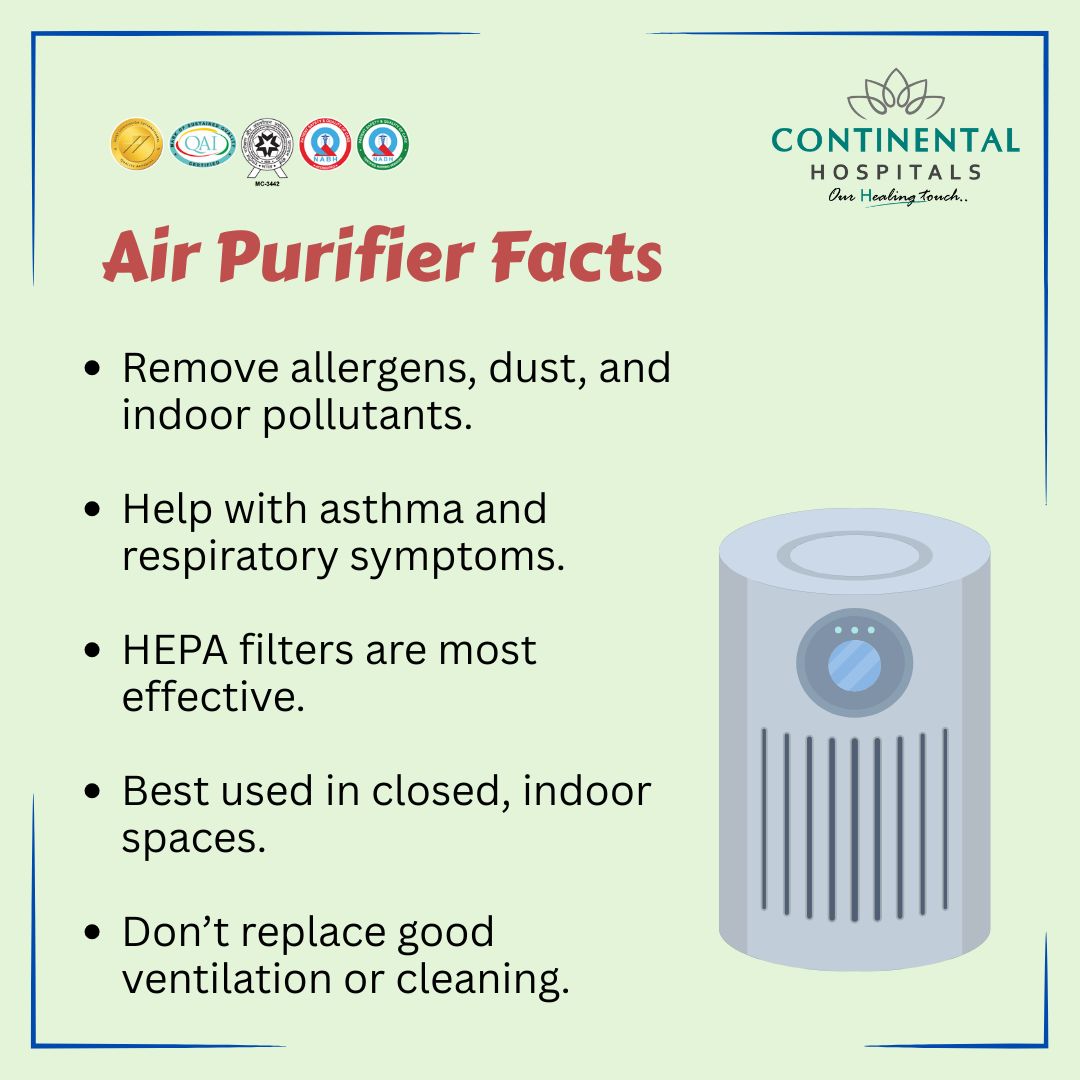
Air purifiers reduce airborne particles that cause allergies, asthma, and odors. They help during wildfires, dust seasons, and when someone in the house is sick.
A quality HEPA filter traps tiny particles. Activated carbon pulls smells and VOCs. Using them correctly boosts indoor air quality fast and measurably.
How to choose the right unit before you learn how to use air purifier effectively
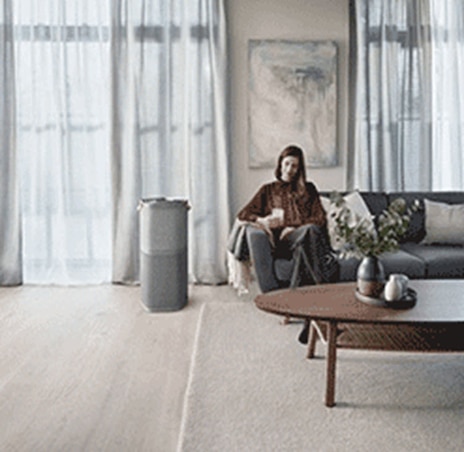
Pick the right size and filter for the room you care about. Match the purifier’s CADR (clean air delivery rate) to room square footage. Look for HEPA (true HEPA) and carbon if you want odor control.
Consider these factors:
- Room size: Choose a unit rated for at least your room’s square feet.
- CADR: Higher CADR cleans faster; aim for a CADR that covers your room.
- Filter type: True HEPA for particles, activated carbon for gases, pre-filters for dust.
- Noise and speed settings: A unit you can live with will run more often.
- Energy use and certifications: Look for ENERGY STAR or low wattage models.
From my experience testing models, a slightly oversized unit that runs quietly on low is better than a smaller unit that runs loud and gets switched off.
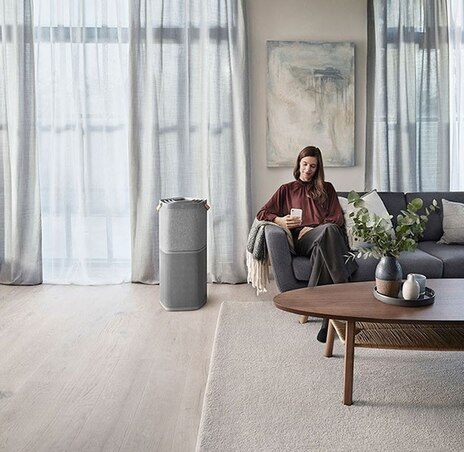
Step-by-step: how to use air purifier effectively in daily life
Follow these steps to get the best results from any purifier.
- Size and placement
- Put the purifier in the room you use most, not tucked behind furniture.
- Place it at least 12 inches from walls and away from corners to allow airflow.
- Turn it on and run it continuously
- Run the purifier continuously, 24/7 if possible. Continuous use keeps particle counts low.
- Use lower fan speeds for night and background cleaning; boost speed when needed (cooking, smoke).
- Use auto/air quality mode if available
- Auto modes use sensors to ramp up when pollution spikes. This saves energy and keeps air cleaner.
- Match the purifier to the source
- For smoke or heavy odors, run at higher speeds and use carbon filters.
- For allergies, ensure true HEPA is installed and run continuous filtration.
- Combine with good ventilation and cleaning
- Use exhaust fans when cooking and open windows briefly when outdoor air is clean.
- Vacuum with a HEPA vacuum and dust surfaces regularly to reduce the load on the purifier.
I learned from testing that running a purifier only when you notice dust or smell is less effective. Continuous, quiet operation matters more than occasional bursts.
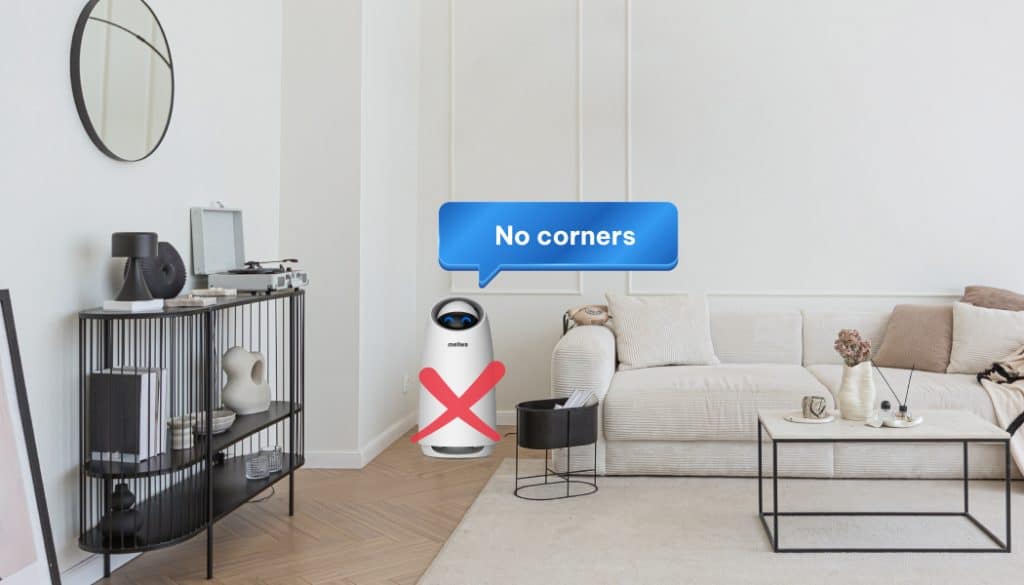
Placement, airflow, and daily habits that improve results
Good placement multiplies effectiveness. Think of the purifier as a small fan that pulls polluted air in and pushes clean air out.
Placement tips:
- Central location in the room gives the best circulation.
- Near pollutant sources helps capture contaminants early (kitchen doorway during cooking, near a smoker’s chair).
- Elevate small units 2–3 feet off the floor for better particle capture.
Daily habits:
- Keep doors closed to let the purifier work for that room.
- Run higher speeds during activities that create particles: baking, vacuuming, DIY projects.
- Reduce indoor sources: don’t smoke indoors, avoid scented candles, and control humidity.
From my home experiments, moving a purifier from a corner to a central table cut particle recovery time nearly in half. Small placement changes matter.
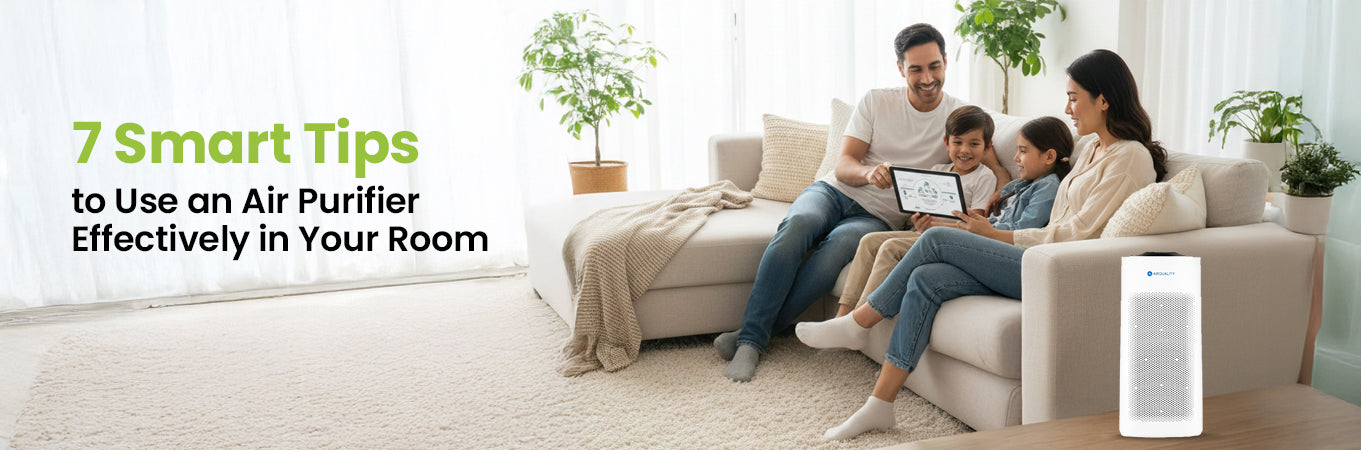
Maintenance and filter care to sustain performance
Filters need attention. Dirt or clogged filters reduce airflow and efficiency.
Maintenance checklist:
- Check the pre-filter monthly and vacuum if washable or cleanable.
- Replace HEPA and carbon filters per manufacturer guidance or sooner if you see heavy dust.
- Note filter life indicators but also watch airflow and smell — replace sooner if performance drops.
- Clean exterior grills and sensors gently with a soft brush.
Practical tip: Keep a replacement filter on hand. Replacing filters on time prevents long-term performance loss and can save money versus buying a new unit.
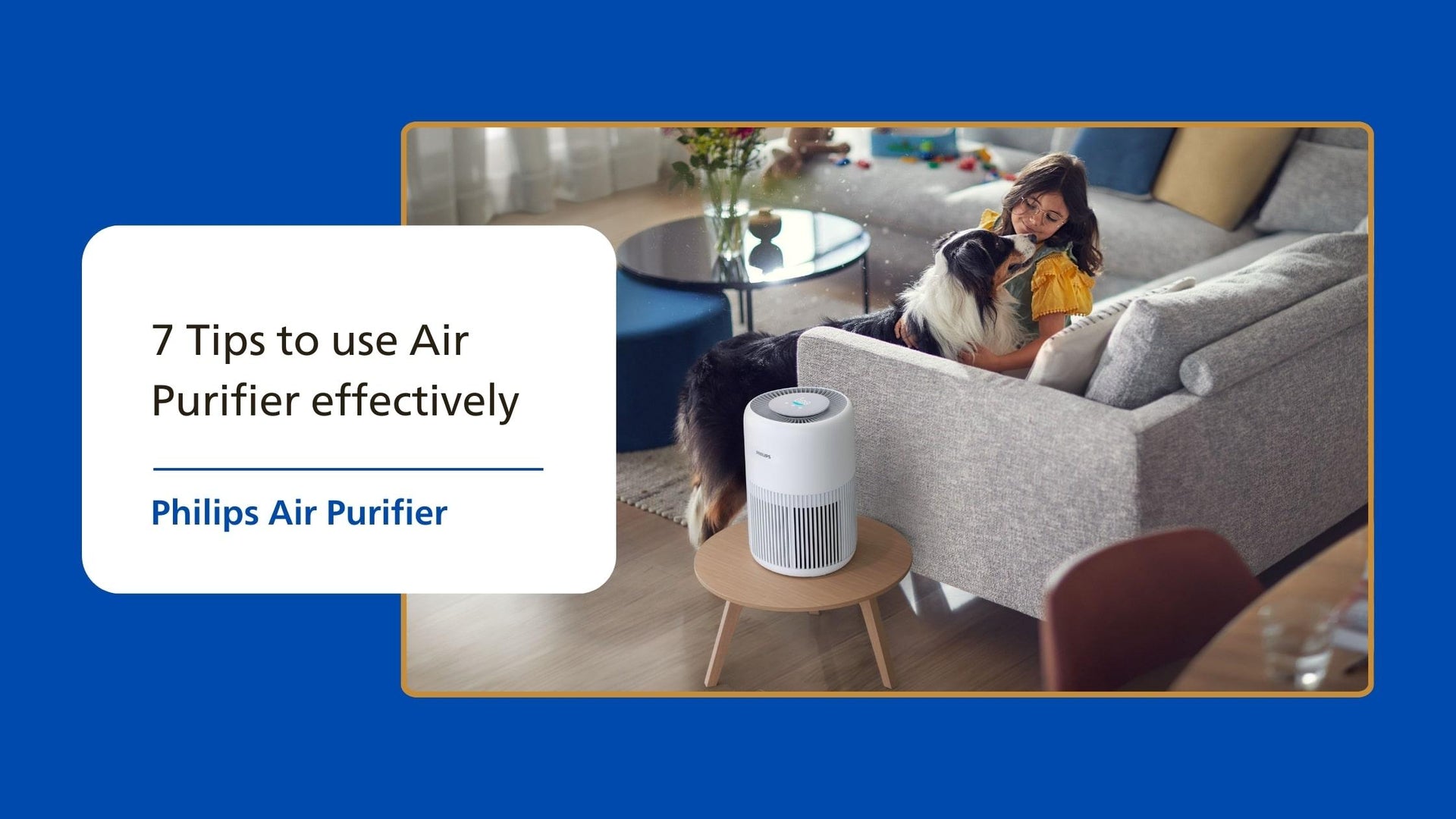
Maximize performance: advanced tips, energy use, and safety
Optimize use without wasting energy or risking harm.
Smart tips:
- Use a schedule: run high speeds during peak pollution then lower to maintenance mode.
- Use multiple smaller purifiers in a large open-plan home rather than one centralized unit.
- Check CADR for smoke if you live in wildfire areas — some units are better at smoke removal.
- Avoid ozone generators and ionizers that emit ozone; ozone can harm lungs.
Energy and noise:
- Most purifiers are low wattage and inexpensive to run. Use timers or smart plugs to manage schedules.
- Night mode or low-speed settings provide quiet, continuous filtration without high energy use.
Safety:
- Keep cords tidy and away from heat or water.
- Don’t block air inlets or outlets.
I prefer running two quiet units in different rooms rather than one high-power unit. It uses slightly more energy but keeps each room consistently clean.

Common mistakes to avoid when learning how to use air purifier effectively
Avoid these pitfalls to keep your purifier effective.
- Mistake: Buying undersized unit for your room.
- Mistake: Turning it off to save electricity — intermittent use reduces benefits.
- Mistake: Placing it in a corner or behind furniture.
- Mistake: Ignoring filter changes and sensor cleaning.
- Mistake: Expecting the purifier to remove everything — it helps but is not a substitute for cleaning and ventilation.
I once tested a top-rated purifier but found it underperforming because the owner kept it off at night. Continuous use was the missing step.
Quick People-Also-Ask style questions
How long should I run an air purifier each day?
Run an air purifier continuously for best results. If that isn’t possible, run it at least during waking hours and spike it during high-pollution events.
Does air purifier remove viruses and bacteria?
HEPA filters capture many particles including some bacteria and virus-laden droplets. Purifiers reduce airborne load but do not replace vaccination or hygiene practices.
Can I use the air purifier with windows open?
Open windows reduce purifier efficiency by introducing outdoor air. Use the purifier with windows closed for best indoor results unless outdoor air quality is excellent.

Frequently Asked Questions of how to use air purifier effectively
What filter type should I choose for allergies?
Choose a true HEPA filter. HEPA captures tiny particles like pollen, pet dander, and dust mites that trigger allergies.
How often should I change the HEPA filter?
Change HEPA filters every 6 to 12 months depending on use and pollution levels. Heavy use or smoky conditions may require more frequent replacement.
Are carbon filters necessary for odor control?
Yes. Activated carbon filters absorb gases and odors that HEPA filters can’t trap. They are useful for cooking smells and VOCs.
Can I leave my air purifier on overnight?
Yes. Leaving it on overnight maintains low particle counts and supports better sleep for allergy sufferers. Use a quiet or night mode if available.
Will an air purifier remove mold spores?
A HEPA filter will capture many mold spores in the air, reducing exposure. It won’t fix mold sources; you must remove the mold growth itself.
Is it safe to use an ionizer or ozone-generating purifier?
No. Ozone-generating purifiers can produce lung-irritating ozone. Choose HEPA/carbon units certified not to emit ozone.
How do I know if my purifier is working?
Monitor particulate levels with an indoor air sensor or notice reduced dust and odors. Many units show air quality readings or filter-change alerts.
Conclusion
Using an air purifier effectively means choosing the right unit, placing it where it matters, running it continuously at sensible speeds, and keeping filters maintained. Small habits — like central placement, closed doors, and routine filter checks — deliver steady, measurable improvements in air quality. Start by assessing the rooms you use most, match a purifier’s CADR to those rooms, and commit to continuous, quiet operation. Try these steps this week, and you’ll notice cleaner air and fewer allergy symptoms. Leave a comment about your experiences or subscribe for more practical home air quality tips.