Wheelchair ramps handle longer slopes; threshold ramps cover small door bumps and low steps.
I have designed, installed, and inspected ramps for years. I know the practical and code-driven differences between wheelchair ramp vs threshold ramp. This article breaks down when to use each. You will get clear guidance, safety tips, and real-life advice to make the right choice for home or business access.

Understanding the basics
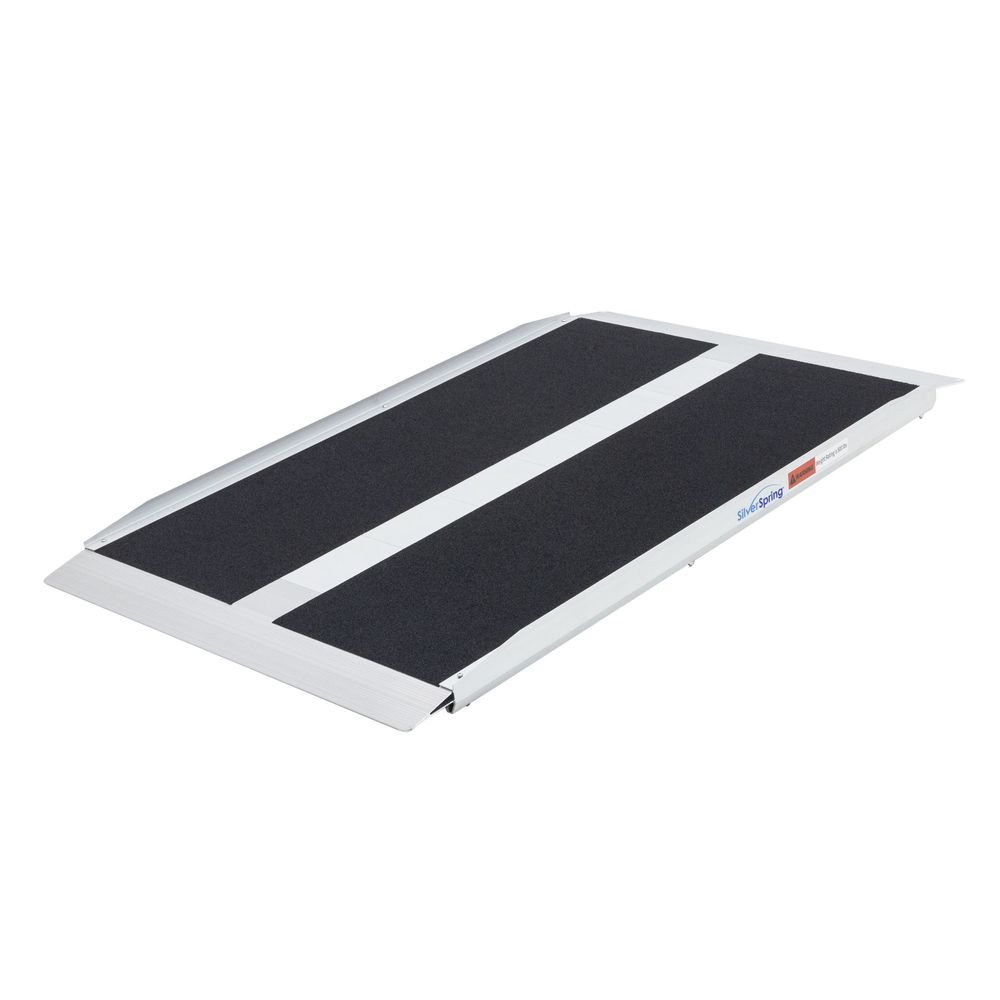
A wheelchair ramp is a sloped surface built to move wheelchairs and other mobility devices from one level to another. Ramps can be permanent or temporary. They often require handrails and a landing when they exceed a certain height.
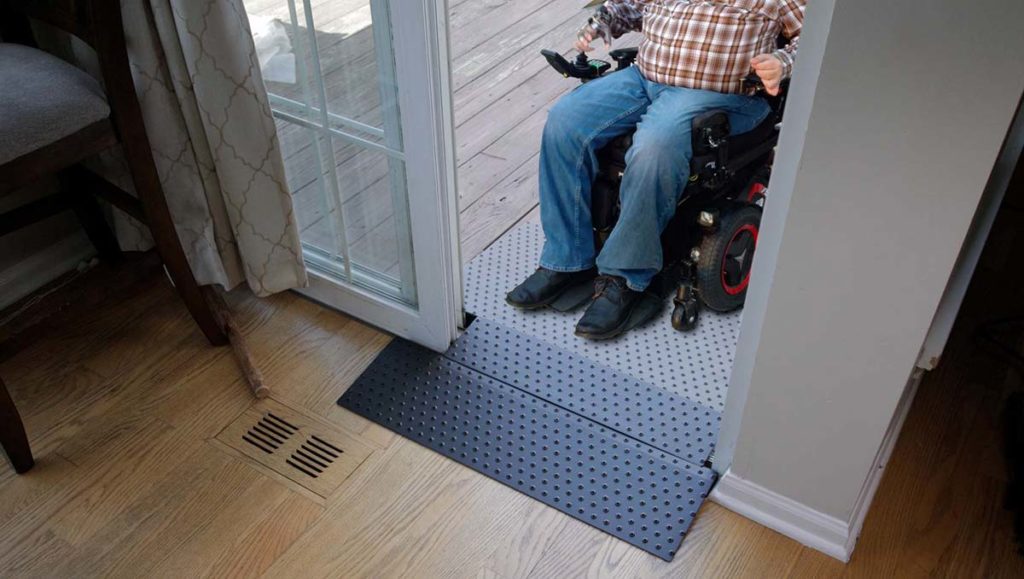
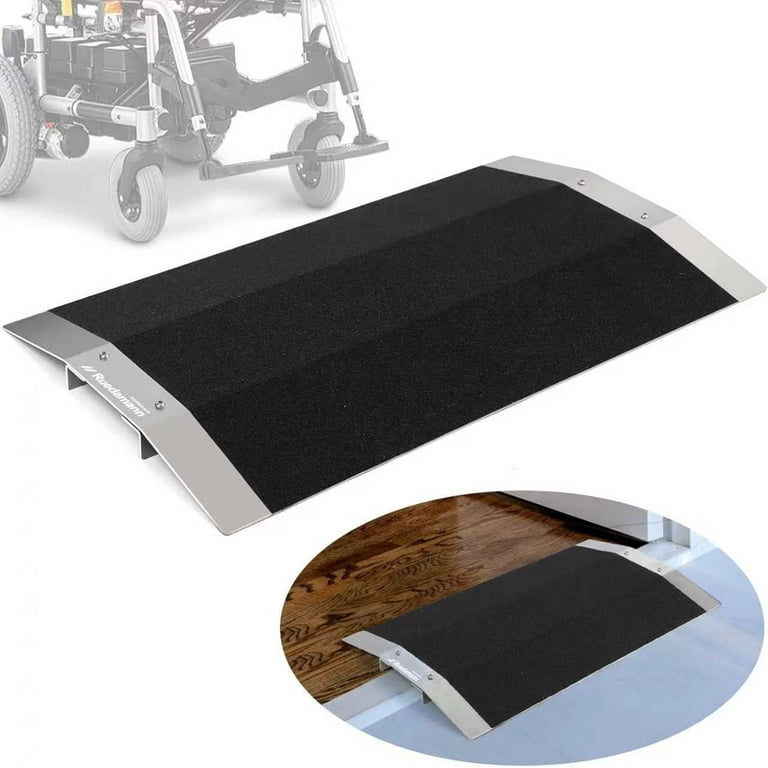
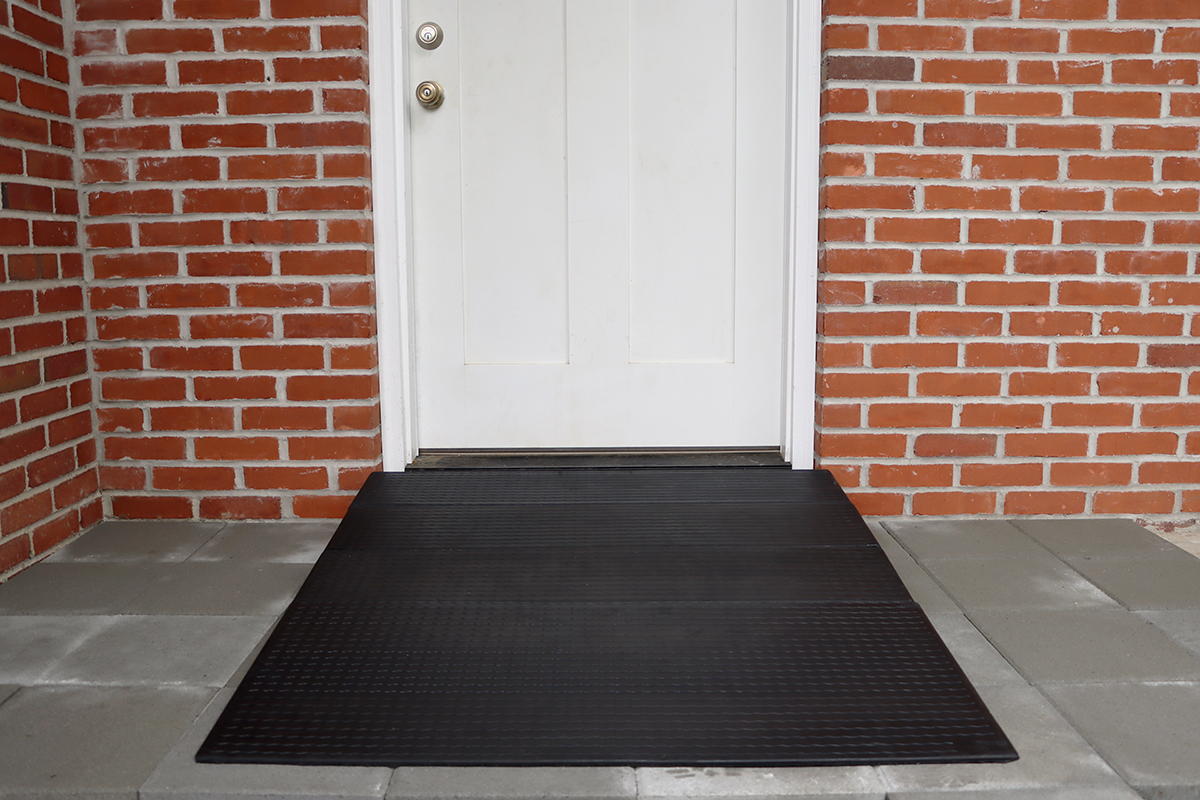
A threshold ramp is a short, low-profile ramp. It is made to smooth a small step or door sill. Threshold ramps are usually portable and do not need handrails.
Wheelchair ramp vs threshold ramp matters when you have a user, a doorway, or a local code to satisfy. Knowing both types helps you plan safe access and avoid costly mistakes.
Key differences at a glance
- Purpose: A wheelchair ramp is for level changes of several inches or feet. A threshold ramp is for tiny height differences, usually under 2 inches.
- Slope and length: Wheelchair ramps follow recommended slope ratios for safety and comfort. Threshold ramps are very short and steep for tiny rises.
- Handrails and landings: Wheelchair ramps often need handrails and flat landings. Threshold ramps rarely need them.
- Permanence: Wheelchair ramps can be permanent, modular, or portable. Threshold ramps are mostly portable and temporary.
- Load capacity: Wheelchair ramps are built for heavy loads and repeated use. Threshold ramps suit lighter loads and short-term use.
- Cost and complexity: Wheelchair ramps cost more and take more time to install. Threshold ramps are cheaper and easy to place.
These core differences are what define the wheelchair ramp vs threshold ramp choice. Consider them when you measure and plan.
Benefits and limitations
- Wheelchair ramp benefits: They provide safe, continuous access for manual and power chairs. They meet many accessibility guidelines when built right. Limitations: They need more space, a proper slope, and often permits.
- Threshold ramp benefits: They offer a quick fix for raised sills and small steps. They are light, portable, and inexpensive. Limitations: They are not suitable for large height changes or high-traffic public entrances.
- Safety trade-offs: A full ramp with proper slope reduces strain for users. A threshold ramp may be easy to trip over if not secured. Choose the right product for frequency and user needs.
Balancing cost, space, and safety will guide whether a wheelchair ramp vs threshold ramp is right for a site.
When to choose a wheelchair ramp vs threshold ramp
Ask these questions first:
- How high is the rise: If rise is more than 1.5–2 inches, lean toward a wheelchair ramp. Small rises can use a threshold ramp.
- Who will use it: Power chairs and heavy equipment need gentler slopes and full ramps. Lightweight walkers or brief wheelchair use may accept a threshold ramp.
- How often will it be used: Daily use calls for a permanent ramp. Occasional use may be fine with a threshold ramp or portable ramp.
PAA-style question 1: Can a threshold ramp replace a wheelchair ramp?
- Short answer: No for most cases. Threshold ramps only work for very small rises and light use. For repeated or high rises, a true wheelchair ramp is safer and often required.
PAA-style question 2: Are threshold ramps ADA compliant?
- Short answer: Generally no for public access. ADA standards require specific slopes, landings, and handrails that threshold ramps do not meet. Private residences can use threshold ramps in limited situations.
PAA-style question 3: How steep can a ramp be?
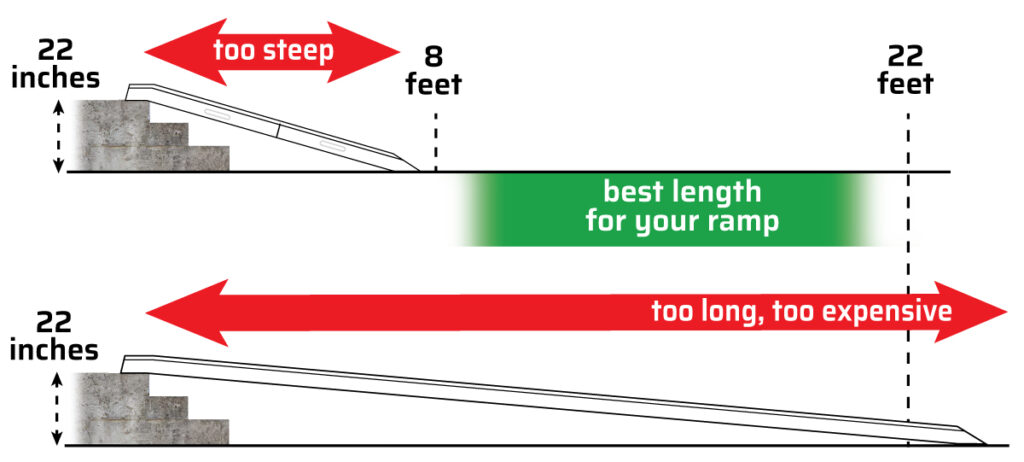
- Short answer: Recommended maximum for wheelchair ramps is 1:12 slope for public access. Short private ramps may use slightly steeper slopes, but safety and user ability must guide you.
Answering those questions helps you decide whether wheelchair ramp vs threshold ramp fits your situation. Consider local codes and user comfort before finalizing.

Installation, materials, cost, and maintenance
- Materials: Aluminum is light and low maintenance. Wood is affordable but needs sealing. Rubber and composite options are slip resistant and flexible.
- Cost factors: Length, handrails, landings, permits, and labor raise cost. Threshold ramps are low-cost. Full wheelchair ramps cost more but last longer.
- DIY versus professional: Small threshold ramps are DIY-friendly. Large wheelchair ramps benefit from professional design to meet codes and ensure safety.
- Maintenance tips: Keep surfaces clean and dry. Inspect fasteners, handrails, and non-slip surfaces every few months. Replace worn parts promptly.
Plan for winter traction and drainage. Proper materials and routine checks reduce accidents and prolong the ramp life. This practical view helps when choosing between wheelchair ramp vs threshold ramp.
My experience and practical tips
I have installed both ramp types in homes and clinics. One lesson I learned early is to measure twice and include the user in decisions. I once built a short ramp for a client without asking about their chair width. We had to modify it later.
Practical tips I use and recommend:
- Measure doorway width and device width before buying anything.
- If you need more than a couple of feet of ramp, plan for a full wheelchair ramp with handrails.
- Secure portable threshold ramps with non-slip pads or screws when allowed.
- Check local building codes and get permits for permanent ramps.
These tips are from hands-on work and inspections. They make the wheelchair ramp vs threshold ramp choice clearer and safer.
Frequently Asked Questions of wheelchair ramp vs threshold ramp
What is the main difference between a wheelchair ramp and a threshold ramp?
The main difference is scale. A wheelchair ramp handles larger rises with gentler slopes and often handrails. A threshold ramp smooths small door sills and low steps.
Can a portable threshold ramp support a power wheelchair?
Most threshold ramps are not rated for heavy, frequent power wheelchair use. Check load capacity; heavy power chairs usually need a robust wheelchair ramp.
Do I need a permit for a wheelchair ramp?
Many local jurisdictions require permits for permanent ramps, especially those attached to buildings. Temporary threshold ramps usually do not need permits.
How do I choose the right slope for a ramp?
Aim for a 1:12 slope for public and heavy use when possible. For short, private ramps you may use steeper slopes but always prioritize user safety and comfort.
Are handrails required on wheelchair ramps?
Handrails are required when a ramp rises above a certain height or length in many codes. For safety, include handrails whenever possible for user support.
Can a threshold ramp be used outdoors?
Yes, some threshold ramps are made for outdoor use and are weather resistant. Choose slip-resistant materials and secure the ramp to prevent movement.
How long should a wheelchair ramp be for a given rise?
Use about 12 inches of ramp for each inch of rise for a 1:12 slope. This gives a comfortable and safe incline for most users.
Is a removable ramp a good option for renters?
Yes, portable ramps and threshold ramps are renter-friendly because they avoid permanent changes. Ensure the ramp is secure and meets user needs.
Conclusion
Choosing between a wheelchair ramp vs threshold ramp comes down to rise, user needs, space, and code requirements. Measure carefully, involve the user, and prefer gentler slopes for frequent or power wheelchair use. Start with the facts, plan for safety, and avoid quick fixes that compromise access. If you are unsure, consult a professional for a site assessment and permit guidance. Try one small change today: measure your doorway and the device width, then shop with confidence or ask an expert for help.