A water meter key opens the meter box; a curb key operates the street shutoff valve—two distinct tools.
I’ve worked around meters and valves for years, and I’ll walk you through water meter key vs curb key so you can tell them apart, pick the right tool, and avoid common mistakes. This guide covers what each key is, how they differ, when to use them, safety and legal tips, buying advice, and real-world lessons from hands-on experience. Read on to make confident, safe choices about water access tools.

What each tool is and why it matters
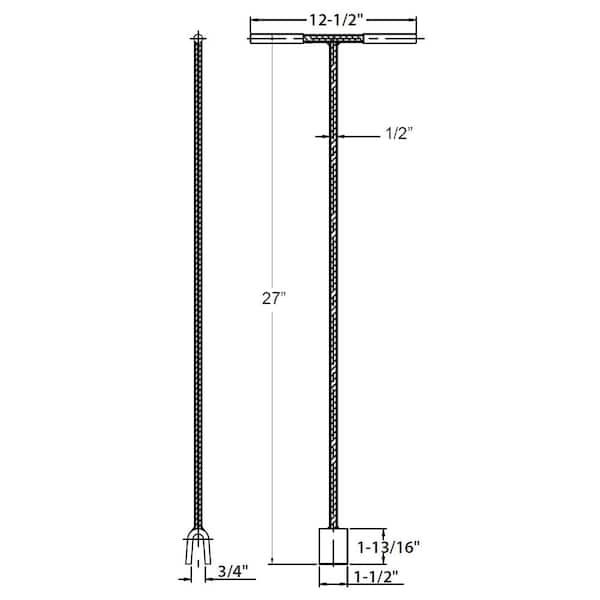
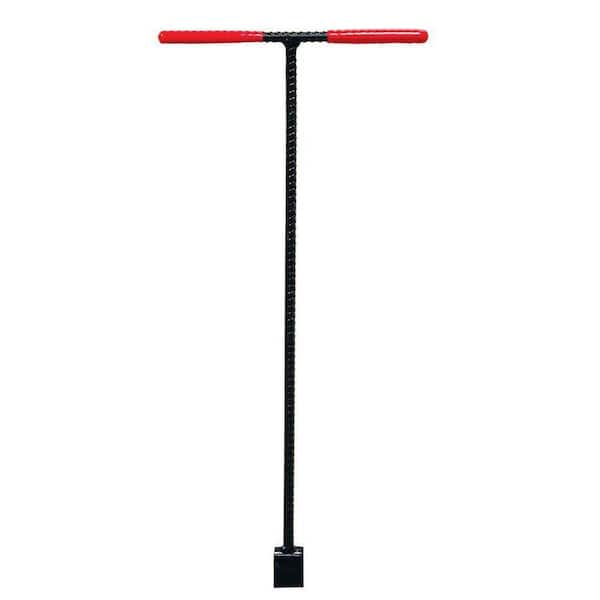
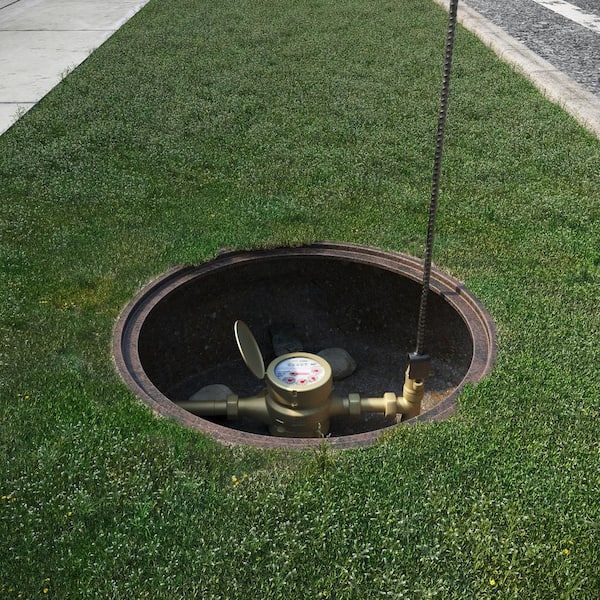
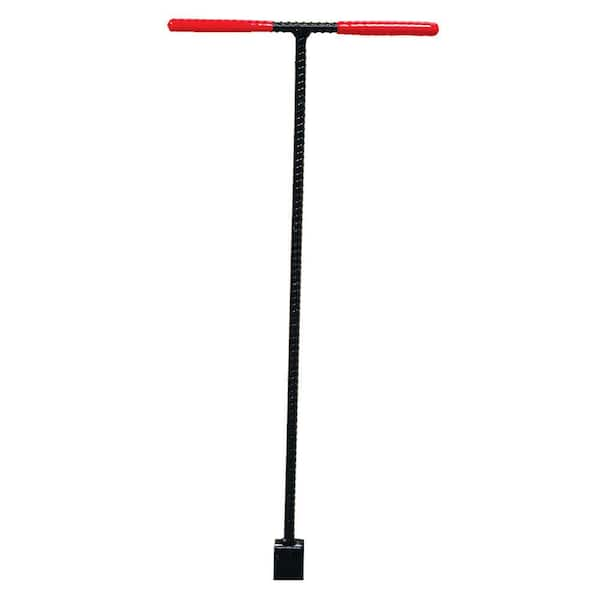
A water meter key is a handheld tool made to lift meter covers and turn small square nuts on meter spindles. It fits common meter boxes near homes. A curb key is longer and built to reach the curb stop valve near the street. The valve sits under the sidewalk or in a curb box. Knowing the difference keeps you from forcing the wrong tool and damaging parts.
I once tried to use a short meter key on a curb stop. It bent. That taught me to match tool length and torque to the job. The right tool saves time and prevents leaks or broken valves.
Key differences: water meter key vs curb key
Here are the main differences at a glance.
- Purpose: Water meter key opens meter boxes and turns small meter nuts; curb key reaches and turns the curb stop under the street.
- Length: Water meter keys are short. Curb keys are long and sometimes telescopic.
- Strength: Curb keys are stronger and designed for high torque. Meter keys are lighter.
- Head types: Meter keys often have a rectangular or square head for meter nuts. Curb keys have a socket or yoke to fit valve nuts.
- Typical users: Meter readers and plumbers use meter keys. Plumbers, utility crews, and homeowners use curb keys for shutoff under slabs or at the street.
Using the wrong tool risks stripping nuts or breaking the valve. I have seen stripped curb stop nuts that required excavation. That is costly and avoidable.

When to use a water meter key vs curb key
Use a water meter key when you need to read the meter, lift the box lid, or operate the meter spindle. Use a curb key to shut off water at the curb stop for repairs, winterization, or emergency isolation.
Common scenarios:
- Meter reading and access: use a water meter key.
- Local shutoff at property line or street: use a curb key.
- Emergency leaks inside the home: often start at the internal main valve, then use curb key if needed.
- New installations or service work: the plumber will use the curb key to isolate the line.
If you are unsure which to use, call your water utility. They can advise and may have rules on who may operate curb stops.
How to choose and buy the right tool
Choose based on length, head type, and build quality. Here is a simple buying checklist.
- Length: Select a curb key long enough to reach the valve from the sidewalk. Choose a compact meter key for tight spaces.
- Material: Pick steel or ductile iron for curb keys. Meter keys can be lighter alloys or steel.
- Head compatibility: Confirm the head fits your meter nut or curb stop nut size.
- Grip and handle: Look for a comfortable, non-slip handle for torque control.
- Portability: Consider a telescopic curb key for storage and convenience.
I prefer a telescoping curb key with a solid socket head. It fits most valves and stores easily in a van. When buying, test how the head engages a nut if possible.

Installation, safety, and legal considerations
Understand local rules before operating curb stops. Some municipalities restrict access to curb boxes and require utility crews to operate them. Violating rules can result in fines or unsafe outcomes.
Safety tips:
- Wear gloves and eye protection.
- Use slow controlled turns to avoid breaking a frozen or corroded valve.
- Shut off appliances and notify neighbors if you will stop water to multiple homes.
- If a valve is stuck, do not force it. Call a pro or the utility.
Legal notes:
- Many utilities own the curb stop and box. Contact them if you cannot operate it safely.
- Document any work you do. Photos and notes help if questions arise later.
I once had to call the utility after a curb stop would not budge. They sent a crew with specialized tools and prevented a cracked pipe. That is a bill I gladly avoided trying to fix myself.
Maintenance and practical tips
Keep tools clean and rust-free. Simple maintenance extends life and improves performance.
- Clean: Wipe mud and debris after each use.
- Lubricate: Apply penetrating oil to stuck nuts before turning.
- Store: Keep the curb key dry and protected to prevent corrosion.
- Inspect: Check heads for wear and replace if rounded.
Practical tips from experience:
- Use short, steady pulls instead of sudden jerks.
- Mark your curb box location with a visible stake or paint.
- Keep both tools on hand if you handle property work regularly.
Proper maintenance saved me from several roadside headaches. A good curb key and regular lubrication are worth the small investment.

PAA-style questions (common quick queries)
How do I know whether to use a meter key or curb key for a leak?
- Try the meter box first for simple access. If the leak is at the property line or requires shutting the main line, use a curb key or call the utility.
Can a homeowner legally turn a curb stop?
- Rules vary. Some utilities allow homeowners to operate curb stops. Others require utility personnel. Always check local regulations before turning a curb stop.
What if the curb key won’t turn the valve?
- Stop forcing the valve. Apply penetrating oil and wait. If it still won’t move, call the water utility or a licensed plumber to avoid damaging the valve.
Are curb keys universal?
- Not always. Many curb stops use standard socket sizes, but older valves may differ. A versatile head or adapter can help.
How often should I maintain my keys?
- Inspect after each use and lubricate as needed. For frequent users, a monthly check during active seasons is sensible.
Frequently Asked Questions of water meter key vs curb key
What exactly is the difference between a water meter key and a curb key?
A water meter key is short and made to open meter boxes and turn meter spindles. A curb key is long and built to reach and turn the curb stop valve near the street.
Can I use a water meter key to shut off the curb valve?
You should not. Meter keys are too short and weak for most curb stops. Using one can bend the key or strip the valve nut.
When should I call the water utility instead of using a curb key?
Call the utility if the valve is stuck, buried, or if local rules bar homeowner operation. Also call if you risk shutting off multiple homes or causing a hazard.
How do I avoid damaging the valve when turning it?
Turn slowly and use steady force. Lubricate stuck nuts first and stop if you feel sudden resistance. When in doubt, contact a professional.
Are curb keys safe to use in winter?
Yes, but freeze and corrosion make valves harder to turn. Apply penetrating oil and warm the area if safe. If a valve is frozen, avoid forcing it and call the utility.
Do I need different sizes of meter keys for different meters?
Some meters use different spindle sizes, but many meter keys are made to fit common sizes. Check your meter nut before applying force to ensure fit.
What should I look for in a long-term curb key?
Durable steel, a solid socket head, and a comfortable handle are top priorities. Telescoping models add storage convenience without sacrificing strength.
Can using the wrong key lead to water damage?
Yes. Broken valves or stripped nuts can cause leaks that require excavation and repair. Using the correct key reduces that risk and keeps repairs simple.
Is it worth learning to operate a curb stop?
Yes, if you own a property and expect to do minor repairs or winterize. But learn local rules and safety steps first. In many cases, calling the utility is safer.
How do professionals prevent valve damage?
Professionals use the right tools, apply lubricants, and have backups like valve wrenches and heat if needed. They also know when to stop and escalate to heavier equipment.
Conclusion
Choosing the right tool comes down to purpose, length, and strength. A water meter key is for meter boxes and meter spindles. A curb key reaches and operates the curb stop valve at the street. Match tools to the task, follow local rules, and use gentle, steady force to avoid damage. If you are unsure, call your water utility or a licensed plumber to prevent costly mistakes.
Takeaway: keep both tools if you manage property work, maintain them well, and always prioritize safety and local regulations. If this guide helped, try the tips on maintenance and tool selection, subscribe for more practical home utility advice, or leave a comment with your experience.