Electric can openers save time and reduce strain, while manual openers are cheap, simple, and portable.
I’ve spent years testing kitchen tools, and this clear, practical guide compares electric can opener vs manual opener so you can pick the right tool for your kitchen and lifestyle. I’ll walk through how each works, pros and cons, cost and maintenance, safety, environmental factors, real-world tips from my own tests, and quick buying advice so you make a confident choice.

How electric and manual can openers work
Electric can openers use a motor and a gear-driven cutting wheel to rotate and cut the lid automatically. Manual openers rely on a handheld turning mechanism or a rotating blade that you operate with wrist motion. Knowing the mechanics helps explain differences in speed, effort, and cleanup when comparing electric can opener vs manual opener.
- Electric can openers: motor, clamp, cutting wheel, one-touch operation.
- Manual can openers: hand crank, side-cut or top-cut designs, no power required.
- Use case: heavy users may prefer electric, travelers or minimalists often choose manual.

Speed, effort, and ergonomics
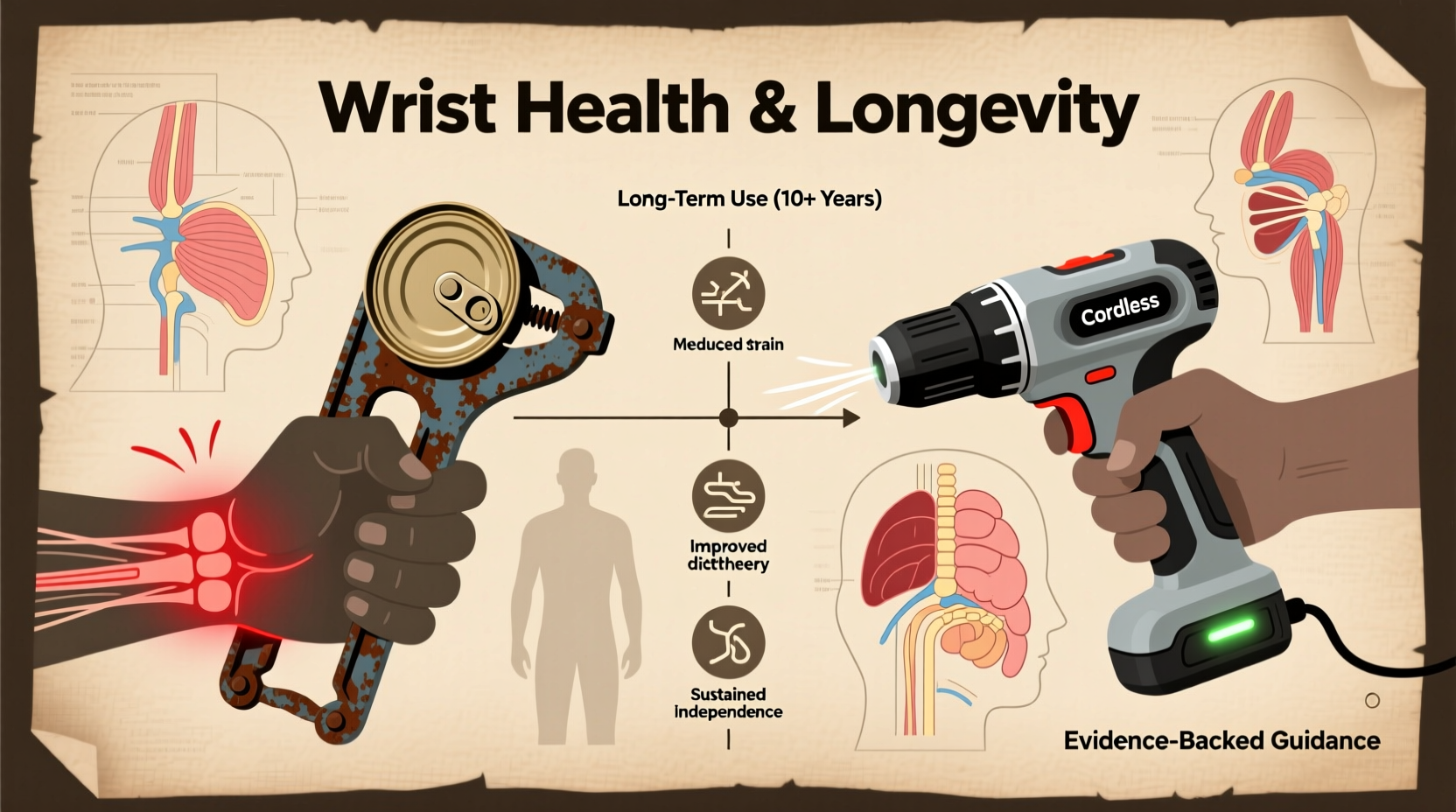
Electric models win for speed and low effort. A motor finishes many cans in seconds with minimal hand strain. This makes electric can opener vs manual opener a key choice for people with weak hands, arthritis, or high-volume kitchens.
Manual openers take more time and wrist motion. They give tactile control and work anywhere without power. For short tasks or occasional use, manual openers feel more than adequate.
- Who benefits most from electric: seniors, caregivers, busy cooks, frequent can openers.
- Who benefits most from manual: campers, small households, those on a budget.

Safety and food hygiene
Electric and manual designs both have safety trade-offs. Modern electric can openers often create smooth-edge lids or use top-cut methods that reduce sharp edges. Manual side-cut openers can leave sharp rims if used improperly.
When considering electric can opener vs manual opener, think about lid handling, blade exposure, and ease of cleaning. Always wipe blades after use and discard lids carefully.
- Safety tips:
- Use models that trim edges or magnetically lift lids.
- Keep units clean and dry to avoid rust.
- Supervise kids when they use manual openers.

Cleaning, maintenance, and durability
Electric can openers require more care. The cutting wheel and gear area can trap food and need periodic cleaning. Some models have removable heads for easy washing. Motors can last years with light use but fail faster in heavy commercial use.
Manual openers are simpler to maintain. A quick rinse and dry usually suffice. Quality manual openers use stainless steel and can last decades. When weighing electric can opener vs manual opener, maintenance time and long-term durability are key factors.
- Maintenance checklist:
- Wipe the blade and gear after each use.
- Replace worn cutting wheels.
- Oil moving parts on older manual models if recommended.

Cost, value, and environmental impact
Manual openers are cheap and long-lasting. You can buy a reliable manual opener for under $15. Electric models range from budget countertop units to premium automatic devices, costing $25–$100 or more.
From a sustainability view, manual openers have a smaller footprint. They use no electricity and often require fewer replacements. If you compare electric can opener vs manual opener purely on environmental cost, manual usually wins unless you rely on electric for health reasons.
- Cost comparison:
- Manual: low upfront cost, almost no operating cost.
- Electric: higher upfront cost, small ongoing power use, potential repair or replacement.
Noise, space, and kitchen fit
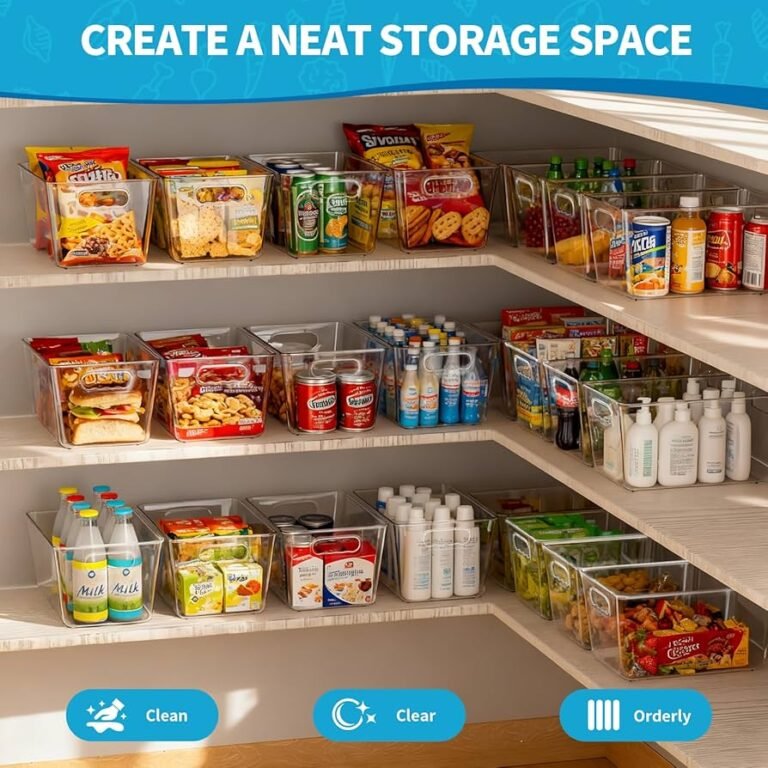
Electric can openers make motor noise and need counter space or a mounted spot. They suit kitchens where counter real estate is stable. Manual openers tuck into drawers or travel bags and make almost no noise.
If you compare electric can opener vs manual opener for small apartments, consider storage and noise tolerance. Manual is space-friendly. Electric works well in fixed kitchens or for people who open many cans.
Personal experience and real-world tips
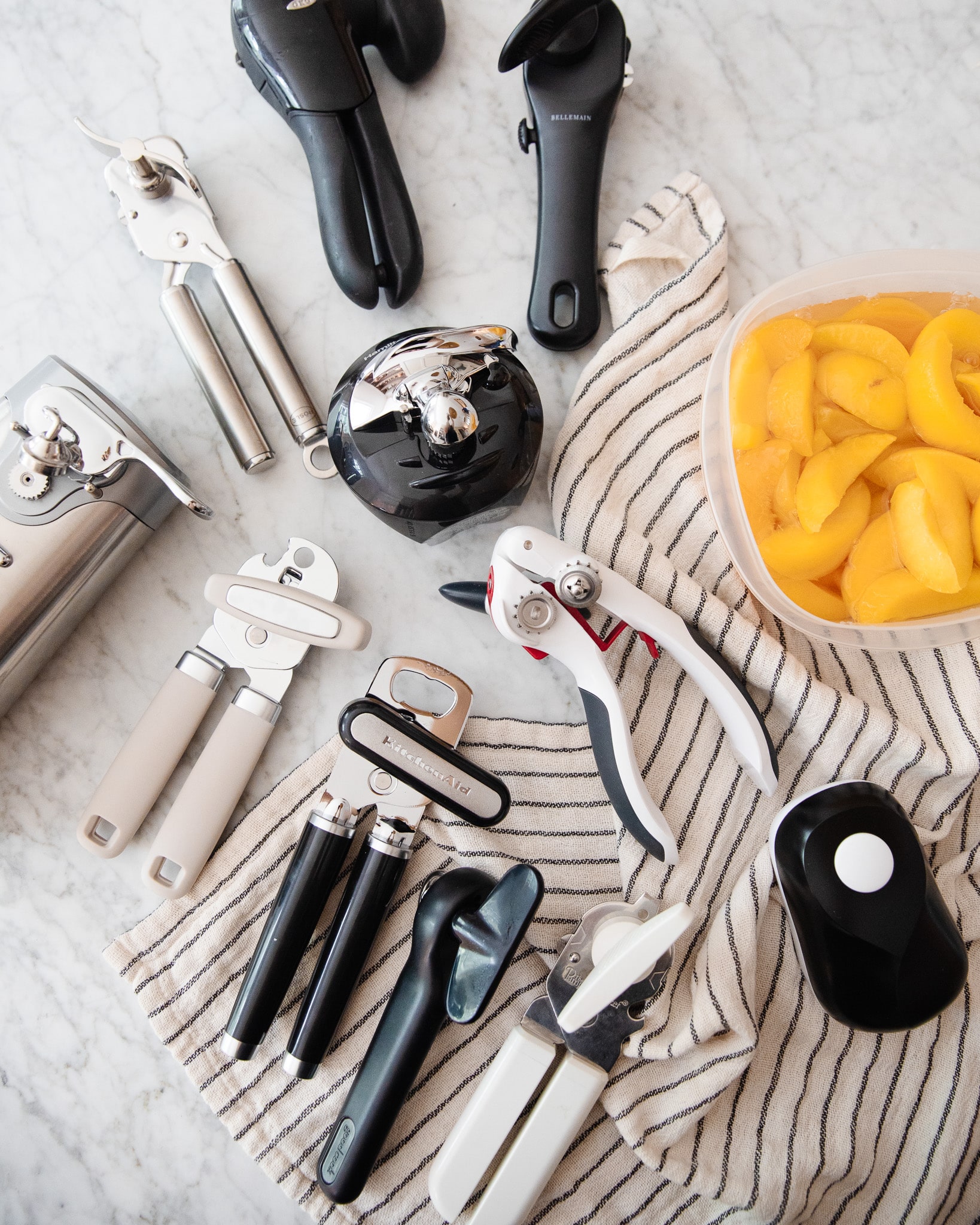
I’ve used both daily in my kitchen tests. An electric can opener saved my hands during long prep sessions and felt safer for quick batch cooking. A sturdy manual opener survived camping trips and years of drawer storage without drama.
Lessons learned:
- If you have wrist pain, buy an electric unit with a smooth clamp and magnetic lid lift.
- For travel or backup, keep a compact manual opener in your kit.
- Test a model in-store if possible to judge clamp strength and crank feel.
My tests show that when choosing electric can opener vs manual opener, your routine and physical needs should guide the choice.

Buying guide and model features to look for
Focus on practical features rather than brand hype. Here are the features that matter most when choosing electric can opener vs manual opener.
- For electric units:
- Magnetic lid lifter for one-hand operation.
- Removable cutting head for cleaning.
- Smooth-edge or top-cut design for safety.
- Sturdy base and warranty for durability.
- For manual units:
- Solid stainless steel blade and gears.
- Comfortable handle and easy crank motion.
- Compact design for storage or travel.
- Locking mechanism for top-cut models reduces effort.

PAA-style questions (quick answers)
Is an electric can opener safer than a manual one?
Electric openers with smooth-edge or top-cut mechanisms often reduce sharp edges, making them safer for many users.
Do electric can openers last long?
Well-built electric can openers can last several years with light use, but heavy use or poor maintenance shortens their life.
Can a manual opener damage cans more often?
Manual openers can leave jagged edges if misused, but high-quality manual models minimize that risk with proper technique.
Frequently Asked Questions of electric can opener vs manual opener
Which is better for people with arthritis?
Electric can openers are generally better because they remove the need for wrist strength and reduce repetitive strain. Choose one with simple one-touch operation and a magnetic lid lift.
Are electric can openers worth the cost?
Yes for frequent users or those with hand limitations; they save time and effort. For occasional use, a quality manual opener offers better value.
How do I clean an electric can opener?
Unplug it, remove the cutting head if possible, and wash removable parts in warm soapy water. Wipe the base with a damp cloth and dry thoroughly.
Can manual can openers be used while camping?
Yes. Manual can openers are portable, require no power, and are ideal for camping and travel. Look for compact, durable models with comfortable grips.
Do electric can openers create sharp edges?
Some older or cheaper electric models can leave sharp edges, but many modern units use top-cut or smooth-edge designs to reduce this risk. Check product specs for “smooth-edge” or “safety-cut” features.
Conclusion
Choosing between an electric can opener vs manual opener comes down to your needs: use frequency, hand strength, space, budget, and environmental concerns. Electric units win for ease and accessibility, while manual openers win for cost, simplicity, and portability. Think about how often you open cans and who will use the tool, then pick the model that fits your routine.
Takeaway: pick the tool that reduces friction in your life—whether that means electricity and convenience or a simple, reliable hand tool. Try one from a retailer with a good return policy, test it at home, and share your experience in the comments or subscribe for more practical kitchen gear guides.