Silicone pot holders offer better grip and water resistance; oven mitts give thicker insulation and full-arm protection.
I have spent years testing kitchen gear and teaching home cooks safe habits. This guide on silicone pot holders vs oven mitts breaks down materials, heat limits, comfort, cleaning, and real-world use. Read on for clear advice, honest pros and cons, and practical tips to help you pick the right heat protection for your kitchen.

Quick comparison and core differences
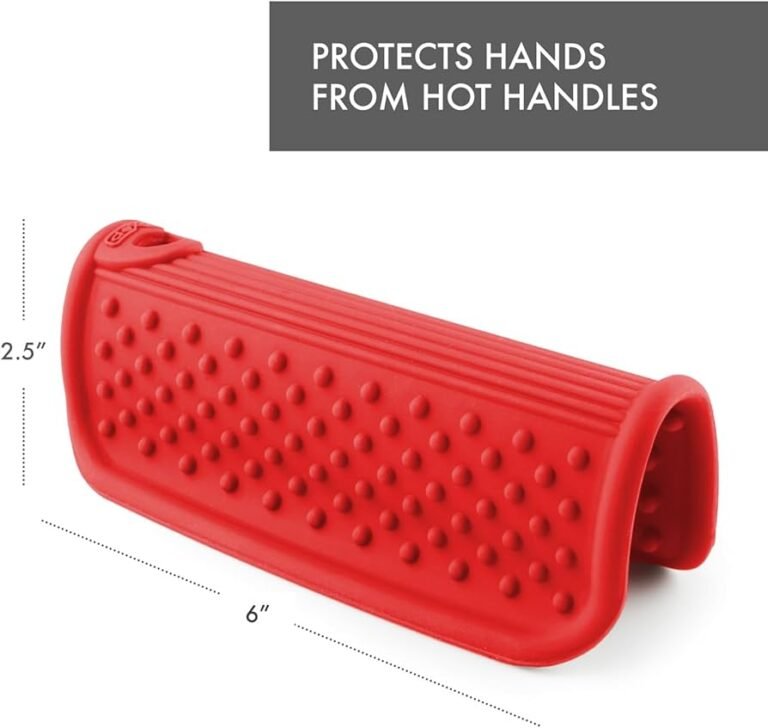
Silicone pot holders vs oven mitts answer a basic need: protect your hands from heat. Silicone pot holders are usually flat or slightly padded. They use silicone to grip hot pans and resist water. Oven mitts are gauntlet-style gloves with cloth, foam, or quilted insulation. They protect wrists and forearms more than flat pot holders.
I use both at home. For quick moves—like pulling a tray—I reach for silicone. For deep oven work, I pick a long oven mitt. The big trade-off is between grip and insulation. This section gives a fast map to those trade-offs.

Materials, heat resistance, and safety
Understanding materials helps you know limits. Silicone pot holders are made from food-grade silicone and sometimes have a fabric backing. Silicone resists high heat and repels water. Oven mitts use cotton, polyester, wool, or aramid fibers with batting inside. These materials trap air and add insulation.
Typical heat ratings:
- Silicone pot holders often handle 400°F to 450°F for short contact.
- Thick oven mitts can handle similar temperatures but give a safety margin for longer contact.
Safety notes:
- Wet mitts are dangerous. Water transfers heat fast.
- Check seams and liners. A worn liner reduces safety.
- Silicone pot holders vs oven mitts differ in contact time safety. Silicone handles quick hot contact better. Oven mitts handle longer holds better.

Grip, dexterity, and control
Grip matters when you move heavy pans. Silicone pot holders have textured surfaces. This texture lets you hold slick or greasy cookware with more confidence. Their flat form gives good contact with pan surfaces.
Oven mitts give less finger precision. Thick padding reduces dexterity. They do protect your wrist and lower arm. If you need fine control—like lifting a hot lid or flipping a pan—silicone pot holders usually win.
Personal tip: Keep a pair of silicone pot holders near the stove for quick lifts and an oven mitt for full-bake tasks.

Comfort, fit, and ergonomics
Comfort affects how likely you are to use protection. Silicone pot holders are thin and foldable. They are simple to store. But they can feel stiff or plasticky at first.
Oven mitts are soft and warm. They fit your hand and feel cozy. Long mitts cover more skin. Poor fit can cause slippage. Try on mitts when you buy them to check fit and finger usability.
I learned this the hard way. I once bought a cheap mitt that let a pan slip. I replaced it with a fitted mitt. That small change stopped a costly spill and a burnt hand.

Cleaning, maintenance, and durability
Cleaning affects hygiene and longevity. Silicone pot holders are easy to clean. Most are dishwasher-safe. They do not absorb stains or odors.
Oven mitts demand more care. Many are machine-washable but take time to dry. Wet insulation can mold. Heat and repeated washing break down fibers over time.
Durability notes:
- Silicone pot holders last years if not ripped.
- Oven mitts last if kept dry and washed gently.

Cost, value, and environmental impact
Price varies by brand and build. Silicone pot holders and oven mitts can be budget or premium. Compare what you get for the price.
Value factors:
- Longevity: Silicone often lasts longer.
- Protection level: Oven mitts may prevent serious burns in some tasks.
- Environmental side: Silicone is not biodegradable but is durable. Natural fiber mitts may be compostable but wear out faster.
Pick based on how you cook. If you bake weekly, invest in a good oven mitt. If you rarely handle boiling pans, a silicone set may be the best value.

Practical pick: which to use when
Make decisions by task. Here are clear use cases:
- Quick lifts, pots, lids, and spills: Use silicone pot holders.
- Deep dish removal, racks, and long holds: Use oven mitts.
- Wet or greasy cookware: Use silicone for better grip.
- Handling glass bakeware that needs long steady holds: Use an oven mitt.
I keep both. I also keep a silicone sleeve near the grill. This mix covers most kitchen needs and keeps me safe.
:max_bytes(150000):strip_icc()/sea-tier-3-kitchenaid-ribbed-soft-silicone-water-resistant-pot-holder-set-ebrockob-005-2-8d9196009fde4aa09c2e220c4b67f916.jpeg)
Common mistakes and tips to avoid burns
Simple habits prevent accidents. Here are mistakes I have seen and fixed:
- Using a damp mitt. Never use wet protection.
- Relying on very thin silicone for long holds. Use a mitt for long presses.
- Ignoring wear. Replace gear when liners thin or silicone cracks.
- Storing mitts near a flame. Heat ages both silicone and fabric.
A quick test before use helps. Pinch the item briefly rather than grasping it fully. If heat feels close, switch to a thicker mitt.
How to choose: quick checklist
Choose gear with these checks in mind:
- Heat rating listed on the label.
- Grip texture for silicone or fit for mitts.
- Length for wrist and forearm coverage.
- Ease of cleaning and dryer safety.
- Replace when cracked, singed, or thin.
This checklist helps you decide between silicone pot holders vs oven mitts based on real needs. Aim for one silicone set and one quality mitt for best coverage.
PAA-style common questions
Which is safer for holding a hot pan for a long time?
Oven mitts are safer for longer holds because they have thicker insulation. Silicone is better for brief, high-grip contact.
Can silicone pot holders handle oven racks?
Silicone can touch oven racks, but they give less arm protection than a long oven mitt. Use a mitt for deep shelves and long reaches.
Are silicone pot holders heatproof?
Silicone is heat resistant but not heatproof. They work well for quick contact up to their rated temperature, but avoid prolonged contact at very high temps.
Frequently Asked Questions of silicone pot holders vs oven mitts
Are silicone pot holders safer than oven mitts?
Silicone pot holders are safer for quick, wet, or slippery tasks due to their grip. Oven mitts are safer for long holds and forearm protection.
Can I wash silicone pot holders in the dishwasher?
Yes. Most silicone pot holders are dishwasher-safe and dry quickly. Check the label for specific cleaning instructions.
When should I replace my oven mitt?
Replace an oven mitt when the interior liner thins, smells persist, or seams fray. These signs mean reduced insulation and higher burn risk.
Is it okay to wear oven mitts while using a gas flame?
Be careful. Loose fabric can catch fire near open flames. Keep fabric away from direct flame and choose mitts with flame-resistant fibers if you grill.
Do silicone pot holders melt?
High-quality food-grade silicone does not melt at normal cooking temperatures. Still, avoid direct contact with open flames or broiler elements.
Conclusion
Silicone pot holders vs oven mitts is not an either-or choice. Both have clear strengths. Silicone pot holders give grip, water resistance, and easy cleaning. Oven mitts give thicker insulation and arm coverage for longer holds. Use silicone for quick, dexterous tasks and mitts for deep or long oven work.
Try both. Test heat ratings and fit before relying on them. Replace worn items and never use wet protection. Share your kitchen wins and questions below or subscribe for more hands-on gear guides.