Rivet nut tool vs rivet gun: rivet nuts offer threaded strength, gun offers fast blind rivets.
I have worked with sheet metal, fences, and auto panels for years. I know when to choose a rivet nut tool vs rivet gun. This guide breaks down how each tool works. It shows strengths, limits, real tests, and clear steps to pick the right tool for your job. Read on to make confident choices and avoid costly mistakes.

What is a rivet nut tool vs rivet gun?
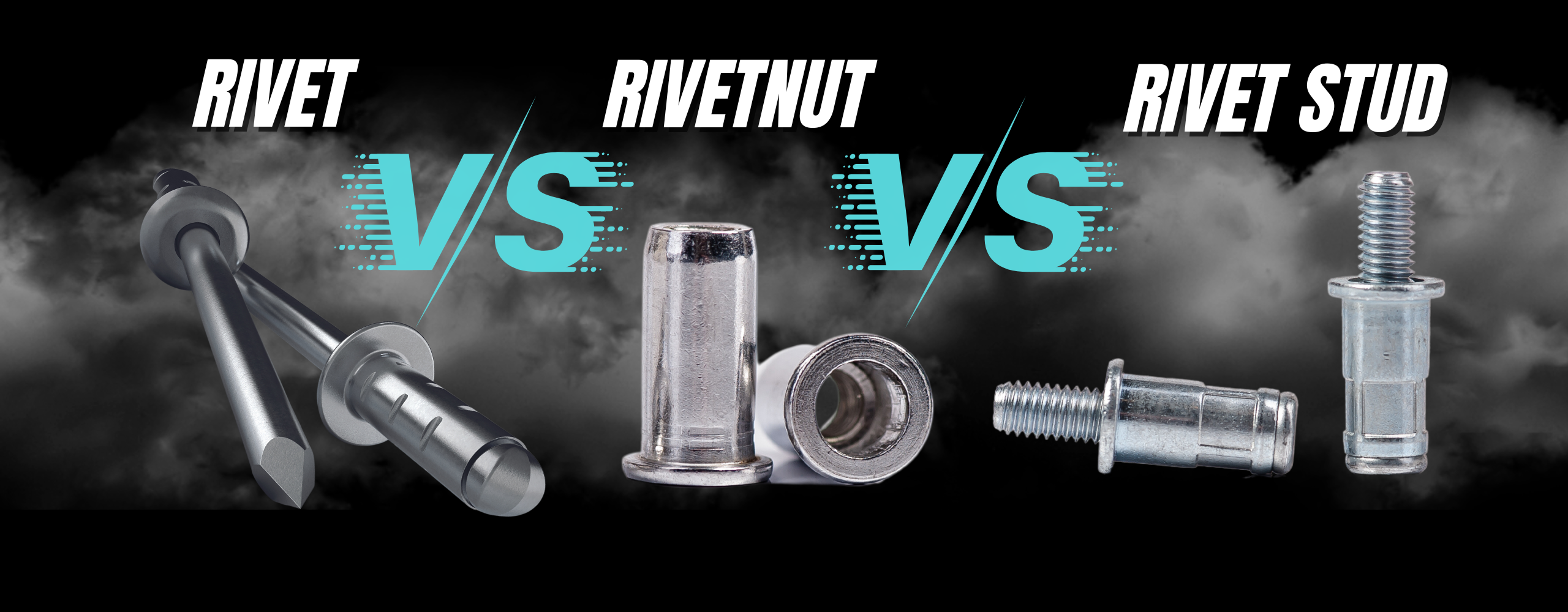
A rivet nut tool installs a rivet nut. A rivet nut is a thin nut that is set into a hole. It gives a strong, threaded anchor in thin material.
A rivet gun installs blind rivets. Blind rivets join two pieces by expanding a sleeve. The rivet is deformed to hold the parts together.
Both tools work on thin materials. Both are common in repair and fabrication shops. The phrase rivet nut tool vs rivet gun shows the choice is about thread vs permanent join. Use the right tool for the right job to get safe, lasting results.
How each tool works
Rivet nut tool operation:
- Insert the rivet nut into a prepared hole.
- Thread the nut onto the mandrel.
- Pull the mandrel to deform the nut tail.
- The nut clamps to the sheet and leaves a thread.
Rivet gun operation:
- Insert the blind rivet through the hole.
- Pull the mandrel to expand the rivet body.
- The rivet deforms and clamps the sheets.
- The mandrel breaks off, leaving a permanent joint.
I have used both tools on roof panels and trailer frames. The rivet nut tool gives a replaceable bolt. The rivet gun gives a fast, low-profile join. These differences matter when you need strength or speed.

Key differences to know about rivet nut tool vs rivet gun
Material and purpose:
- Rivet nut tool vs rivet gun: rivet nut tool gives threaded insert for bolts. This allows disassembly.
- Rivet nut tool vs rivet gun: rivet gun gives fixed, non-threaded joins. This is for permanent fastening.
Strength and load:
- Rivet nuts handle shear and tension well with the right nut size.
- Blind rivets are strong in shear but weaker in tension than threaded anchors.
Access and blind work:
- Both work where you can access only one side of the panel.
- Rivet nuts may need slightly larger holes and back material support.
Speed and volume:
- Rivet guns are faster for many joins.
- Rivet nut tools take longer per fastener but save time for repairs that need bolts.
Cost and tooling:
- Rivet nut tool vs rivet gun: rivet nut kits are often pricier per fastener.
- Rivet guns and rivets are cheap and fast for production runs.
Skill and finish:
- Rivet nuts need correct hole size and seating. Mistakes can ruin the thread.
- Blind rivets are more forgiving but not repair-friendly if parts need removal.

When to choose rivet nut tool vs rivet gun
Choose a rivet nut tool when:
- You need a threaded anchor for bolts.
- You expect to remove parts later.
- The load will pull on the fastener.
Choose a rivet gun when:
- You need quick joins on thin materials.
- Parts are permanent or low maintenance.
- You have many joints to set quickly.
Can you replace a rivet gun with a rivet nut tool?
- In many cases, no. Rivet nut installation is slower and needs larger holes. Use rivet nuts when threads or disassembly matter.
Are rivet nuts stronger than blind rivets?
- Rivet nuts offer threaded engagement, which can be stronger for tension. Blind rivets can be strong in shear but do not provide reusable threads.

Types of rivet nut tool vs rivet gun and how to pick one
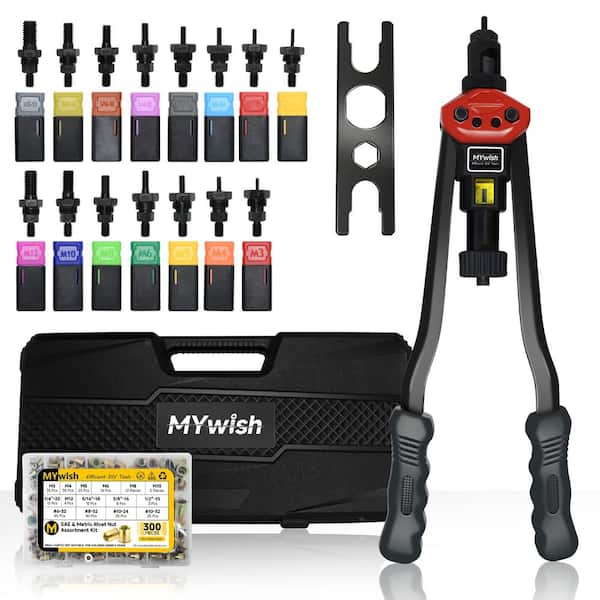
Rivet nut tools:
- Manual hand tools for occasional use.
- Pneumatic tools for high volume and less fatigue.
- Hydraulic tools for large nuts and thick material.
Rivet guns:
- Hand pull rivet guns for light shop work.
- Pneumatic rivet guns for production.
- Battery rivet tools for portability.
Selection tips:
- Match tool capacity to nut or rivet size.
- Check mandrel and nosepiece compatibility.
- Consider ergonomics if you set many fasteners.
From my experience, a mid-range pneumatic rivet nut tool cut installation time by half on repeated jobs. I learned to always stock extra mandrels and replace worn nosepieces. That simple habit saved rework and time.
Installation steps: rivet nut tool vs rivet gun
Rivet nut tool installation:
- Drill the correct hole size for the rivet nut.
- Clean the hole and remove burrs.
- Thread the rivet nut onto the mandrel.
- Insert the nut and seat it flush.
- Pull the tool until the nut collapses and seats.
- Remove the tool and test the thread with a bolt.
Rivet gun installation:
- Drill or align the hole for the blind rivet.
- Insert the rivet through both parts.
- Place the rivet gun on the mandrel.
- Pull the trigger until the mandrel breaks.
- Inspect the formed head for proper clamp.
Common mistakes to avoid:
- Using wrong hole sizes.
- Reusing damaged mandrels or nosepieces.
- Not supporting thin materials during set.

Maintenance, safety, and troubleshooting
Maintenance tips:
- Clean and oil moving parts after use.
- Replace worn mandrels and nosepieces.
- Store tools dry and locked.
- Wear eye protection to catch flying mandrel pieces.
- Keep fingers away from the squeeze area.
- Use clamps to hold thin sheets steady.
Troubleshooting:
- If rivet nuts spin, check hole size and sheet thickness.
- If blind rivets do not set, check gun stroke and nosepiece fit.
- If tool jams, remove mandrel, clean, and inspect for wear.
Lessons from the field:
- I once crushed a thin panel by over-torquing a bolt into a weak rivet nut. Always verify torque limits. That taught me to measure grip range and pick the right nut size.

Frequently Asked Questions of rivet nut tool vs rivet gun
What is the main benefit of a rivet nut tool?
A rivet nut tool provides a strong, threaded anchor in thin material. It allows bolts to be used and parts to be removed or adjusted.
Can a rivet gun and rivet nut tool work on the same material?
Yes. Both can work on thin metals, plastics, and composites. The choice depends on whether you need threads or a permanent join.
Are rivet nuts reusable?
The nut itself is reusable if not damaged, and it gives a reusable threaded anchor. Once installed, the rivet nut stays in the material unless removed.
Which tool is faster for production work?
A rivet gun is usually faster for high-volume production. Rivet nut tools are slower but add thread and flexibility.
Do rivet nut tools require special hole sizes?
Yes. Rivet nut installation needs a precise hole size for proper collapse and thread strength. Always follow manufacturer specs.
Can I use a rivet nut tool on thick plates?
Rivet nut tools are best for thin to moderately thick sheets. For very thick plates, use welded nuts or tapped holes instead.
How do I prevent rivet nuts from spinning?
Ensure the hole is tight and that the material has enough thickness. Use rivet nuts with knurls or broader grip ranges for thin sheets.
Conclusion
Both rivet nut tool vs rivet gun have clear roles. Choose a rivet nut tool when you need threaded anchors and future disassembly. Choose a rivet gun for fast, permanent joins and high-volume work. Test on scrap material first. Measure hole sizes, match tool capacity, and protect the workpiece.
Take action: pick one small project today and test both methods. Compare strength, time, and ease. Share your results or ask questions below.