Impact wrench vs impact driver: one packs more torque for bolts, the other is lighter for screws.
I have used both tools for years in garages and job sites, so I know how confusing the choice can be. This article breaks down impact wrench vs impact driver in plain terms. I explain how each tool works, when to pick one, real-world pros and cons, and tips I learned the hard way. Read on and you’ll be ready to choose the right tool for your project with confidence.

What are an impact wrench and an impact driver?
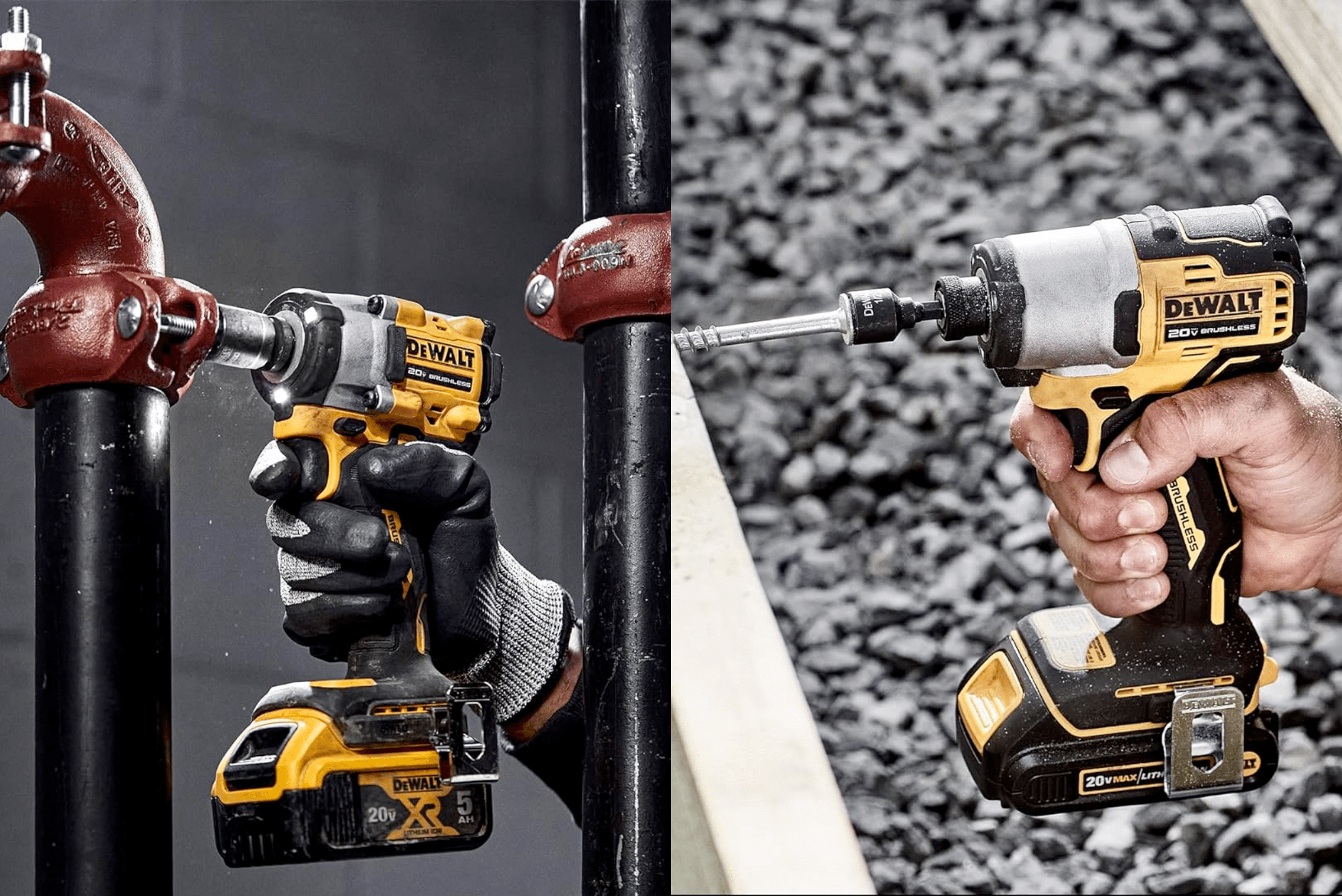
An impact wrench is a power tool made to deliver short, strong bursts of torque. It uses a hammer-and-anvil mechanism inside a square drive. Impact wrenches often use sockets to tighten or loosen bolts and nuts quickly.
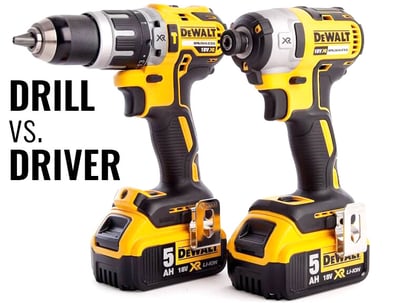
An impact driver is a smaller tool designed for driving screws and small fasteners. It uses a collet that accepts hex bits and gives rotational impacts to overcome resistance. Impact drivers are compact and fast for repetitive screw driving and light bolt work.
Both tools use impacts rather than steady rotation. Knowing the difference is the first step when comparing impact wrench vs impact driver for a task.

How they work: mechanics and power delivery
Impact wrench mechanics
- Square drive accepts sockets and adapters.
- Internal hammer-and-anvil stores and releases energy in pulses.
- Produces high peak torque ideal for large bolts and lug nuts.
Impact driver mechanics
- Collet holds 1/4-inch hex driver bits.
- Impacts are smaller but at higher rpm.
- Designed for continuous bit contact and speed.
Power sources and implications
- Corded models give continuous power but less portability.
- Cordless models use batteries; battery size affects runtime.
- Air (pneumatic) impact wrenches are common in garages and give high torque.
Understanding mechanics helps when you compare impact wrench vs impact driver. The wrench gives raw torque; the driver gives controlled, fast impacts for bits.
Key differences at a glance
Torque and application
- Impact wrench offers much higher torque, often 100 to 1,400+ ft-lbs in consumer and pro models.
- Impact driver typically ranges from 1,200 to 2,000 in-lbs (about 100 to 170 ft-lbs) but feels different due to rpm and bit contact.
Size and weight
- Impact wrenches are bulkier and heavier.
- Impact drivers are compact and easier to use overhead or in tight spaces.
Fastening type
- Impact wrench uses sockets for nuts and bolts.
- Impact driver uses hex bits for screws and small bolts.
Control and precision
- Impact drivers give better control for delicate work like decking or cabinetry.
- Impact wrenches can overtighten if you lack correct sockets or feel.
When weighing impact wrench vs impact driver, match the tool to the fastener size and access needs.

When to use each tool: real-world scenarios
Use an impact wrench when
- Removing or installing automotive lug nuts.
- Working on heavy machinery or structural bolts.
- You need high torque quickly and have room for a larger tool.
Use an impact driver when
- Driving long screws into wood or deck boards.
- Assembling furniture and cabinet work.
- Working in tight spaces or overhead for long periods.
Personal example
- I used an impact wrench to change tires during a roadside job; it saved me time and strain.
- For building a deck, the impact driver made driving hundreds of screws nonstop far easier and cleaner.
These scenarios show clear choices when comparing impact wrench vs impact driver for specific tasks.
Choosing the right tool: specs, batteries, and budget
Key specs to check
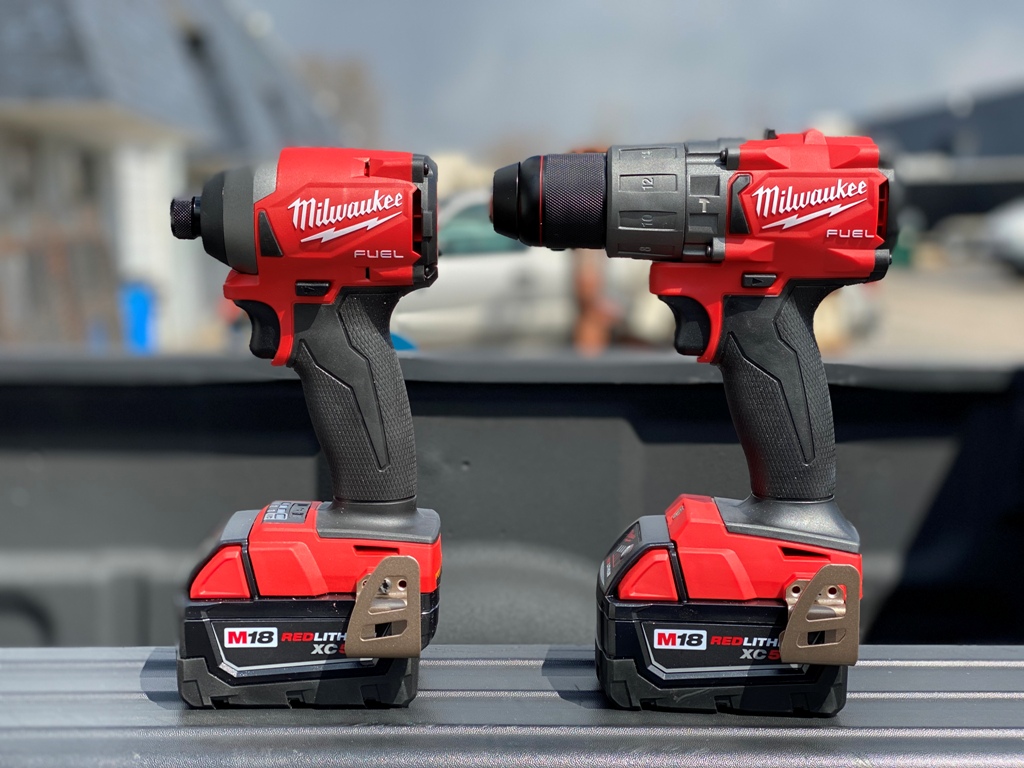
- Torque rating—match to bolt or screw size.
- Speed (RPM) and impacts per minute (IPM).
- Drive size: 1/2-inch, 3/8-inch for wrenches; 1/4-inch hex for drivers.
Battery and power considerations
- Use higher amp-hour (Ah) batteries for longer runtime.
- Brushless motors offer better efficiency and longer life.
- For intense auto shop work, pneumatic or high-voltage cordless wrenches perform best.
Budget and value
- Impact drivers usually cost less and add more versatility for home users.
- Impact wrenches cost more but pay off where heavy torque is routine.
When deciding on impact wrench vs impact driver, balance torque needs with portability and budget.
Socket and bit compatibility: what you need to know
Sockets and adapters for impact wrenches
- Use impact-rated sockets only; standard chrome sockets can shatter.
- Keep a set of deep and shallow sockets for different bolt types.
- Use a friction ring or locking pin when needed to secure sockets.
Bits and accessories for impact drivers
- Use impact-rated driver bits to prevent breakage.
- Consider a magnetic bit holder for quick changes.
- Use specialized bits for hex, Torx, and square drive fasteners.
Mixing tools
- Adapters exist to use sockets on impact drivers, but beware of torque limits.
- Do not use non-impact sockets or bits with impact tools to avoid damage.
This section helps you avoid common mistakes when comparing impact wrench vs impact driver in real use.

Safety and maintenance tips
Safety basics
- Wear eye and hearing protection when using either tool.
- Keep hands clear of rotating bits and sockets.
- Remove battery or airline before changing accessories.
Maintenance steps
- Clean tools after each use to remove grit.
- Use manufacturer-recommended grease for hammer mechanisms.
- Replace worn brushes or batteries promptly.
Practical tip from experience
- I once used a worn bit that slipped and stripped a screw. Lesson learned: replace bits early to save time and fasteners.
Good safety and care extend tool life and reduce accidents whether you choose an impact wrench vs impact driver.
:max_bytes(150000):strip_icc()/SPR-impact-driver-vs-drill-5116867-hero-37b95592c1a44e97baa3de9f859fbd0a.jpg)
Performance comparison and limits
Typical torque ranges you can expect
- Consumer 1/2-inch impact wrench: 150–500 ft-lbs.
- Pro 1/2-inch impact wrench: 500–1,400+ ft-lbs.
- Impact driver: commonly 1,200–2,000 in-lbs (100–170 ft-lbs).
Limitations to consider
- Impact drivers may not remove rusted lug nuts reliably.
- Impact wrenches are overkill for delicate cabinetry and can split wood or strip screws.
- Battery drain is faster under heavy load for both tools.
Choosing by limits
- If torque need is frequent and high, pick an impact wrench.
- If tasks are varied and include many screws, an impact driver is often the better buy.
This helps close the gap when deciding impact wrench vs impact driver for your workload.
Buying checklist and practical advice
Before you buy, ask:
- What fastener sizes will I work with most?
- Will I use the tool daily or a few times a year?
- Do I need cordless portability or corded/air power?
Shopping tips
- Pick a brushless motor model for longer life.
- Buy impact-rated bits and sockets with the tool.
- Test ergonomics: hold the tool to feel balance and grip.
Cost-saving tip
- For most DIYers, start with an impact driver and add an impact wrench later if needed.
This checklist makes the impact wrench vs impact driver decision practical and simple.
Frequently Asked Questions of impact wrench vs impact driver
What is the main difference between an impact wrench and an impact driver?
The main difference is torque and drive type: impact wrenches use a square drive and deliver much higher torque for bolts. Impact drivers use a 1/4-inch hex collet and are optimized for screws and small fasteners.
Can an impact driver remove lug nuts?
An impact driver is generally not ideal for lug nuts, especially rusted ones, because it lacks the peak torque of an impact wrench. You might remove some lug nuts with a high-torque driver, but a proper impact wrench is safer and faster.
Are impact driver bits different from regular bits?
Yes, impact-rated bits are tougher and designed to handle repeated impacts without snapping. Regular bits can break quickly when used with impact tools.
Is it okay to use adapters to run sockets on an impact driver?
Adapters exist, but they reduce torque capacity and can stress the driver. Use them only for light tasks and always use impact-rated adapters and sockets.
Which tool should a beginner buy first?
For most beginners, an impact driver is the best first buy because it covers many home projects and is easy to handle. Add an impact wrench later if you start working on cars or heavy machinery.
Conclusion
Choosing between an impact wrench vs impact driver comes down to the fasteners you work with and the power you need. Pick an impact driver for speed, control, and everyday fastening. Choose an impact wrench when you need high torque for lug nuts and heavy bolts. Trust your workflow: start with an impact driver if you need one versatile tool, and add an impact wrench when torque demands grow. Try tools in person if you can, and use impact-rated accessories to stay safe. If this helped, share your project story or ask a question below to get tailored advice.