Flexible drill bit extension guide helps you reach tight, awkward spots fast and with control.
I have used and taught this tool for years. This flexible drill bit extension guide shows what the tool is, how it works, and how to pick the right one. I write from hands-on experience plus tested tips. Read on to learn clear steps, real-world tips, and buying advice to save time and avoid mistakes.
What is a flexible drill bit extension?
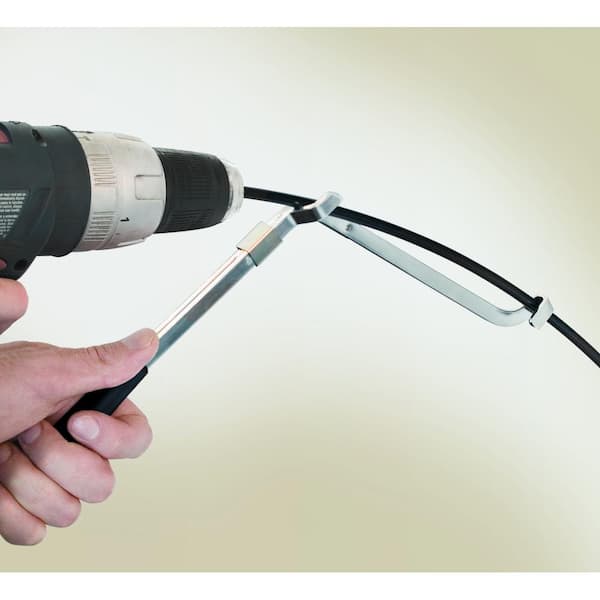
A flexible drill bit extension is a bendable shaft that connects your drill to a bit. This tool lets you drive screws or drill holes where a straight drill cannot reach. The extension usually has a flexible core and a universal bit holder. This flexible drill bit extension guide covers parts, uses, and simple mechanics so you know what to buy and why.
Types and features to look for
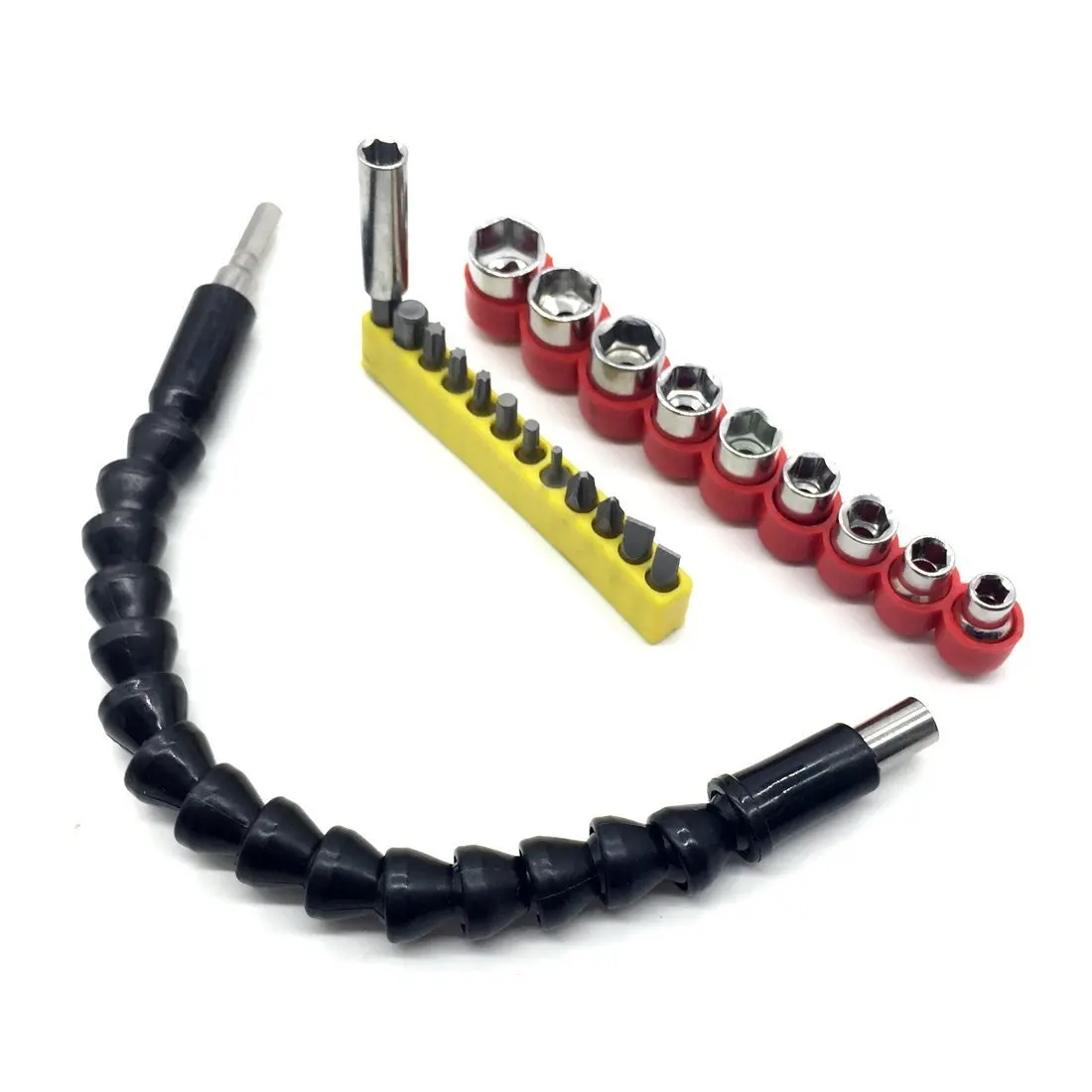
Choose the right type for the job. Common styles include short flex shafts for tight corners, long gooseneck-style extensions for depth, and coil-style shafts for heavy duty. Key features matter. Look for these features when reading product labels.
- Length options: Match the length to the space you need to reach.
- Material: Hardened steel core lasts longer and resists kinks.
- Bit holder: Magnetic or locking bit holders keep bits from wobbling.
- Compatibility: Check if it fits your drill’s chuck or a quick-change adapter.
- Flexibility rating: Some shafts are stiffer for control, others bend more for deep curves.
From my experience, a medium-stiff shaft works best for most home tasks. Too soft and you lose control. Too stiff and you lose reach. This flexible drill bit extension guide helps you weigh those trade-offs.

How to use a flexible drill bit extension safely and effectively
Start slow and steady. Insert the bit into the extension’s holder. Tighten the holder or rely on the magnetic lock. Insert the extension into your drill chuck and tighten firmly. Keep drill speed low when starting. Guide the shaft with one hand while the drill holds torque.
Follow these steps for best results:
- Choose the right bit and extension length.
- Secure the bit in the extension.
- Clamp or steady the workpiece.
- Start at low speed and low torque.
- Apply steady pressure and let the bit cut.
- Retract slowly to clear chips.
I once tried a very long cheap shaft for a cabinet job. It bent under torque and bent the screw. I now use a stiffer shaft and lower speed for such jobs. Small habits like that save time and risk.
Can I use a flexible drill bit extension with impact drivers?
Yes. Many extensions work with impact drivers, but choose one marked for impact use. Impact-rated extensions have stronger cores and reinforced holders. Use low speed at first to test fit.
How fast should I run the drill with a flexible shaft?
Start slow. Between 200 and 800 RPM is a safe range for most screw and drill tasks with a flexible shaft. Higher speeds risk whipping the shaft and losing control.
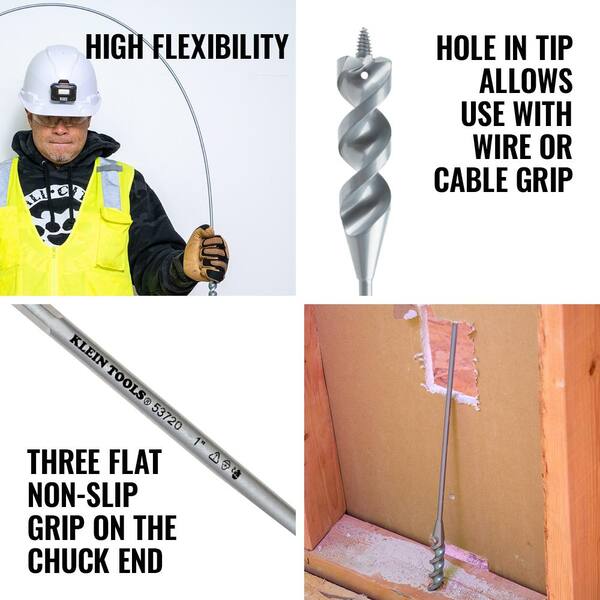
Benefits and limitations
Benefits are clear and practical. You can reach hidden screws and drill in narrow cavities. You can work at odd angles without disassembling fixtures. This saves time and often keeps finishes intact.
Limitations exist too. Flex extensions reduce torque and control. Long, thin shafts can wobble. Not every extension is safe for high-torque drilling or masonry. Know the limits before risky jobs. This flexible drill bit extension guide helps you pick the right tool for safe work.

Buying guide and maintenance
Buy what fits your needs. For occasional home use choose a set with varied lengths and a magnetic holder. For pro work pick high-quality, impact-rated shafts. Check warranties and user reviews. Here are quick buying tips:
- Match the length to the job.
- Choose impact-rated if you use impact drivers.
- Prefer hardened steel cores and brass or steel bit holders.
- Buy a set to cover multiple tasks.
Maintenance is simple. Wipe the shaft after use. Keep it dry to avoid rust. Store coiled loosely, not bent tight. Replace worn bit holders. A small care routine doubles the life of the extension.
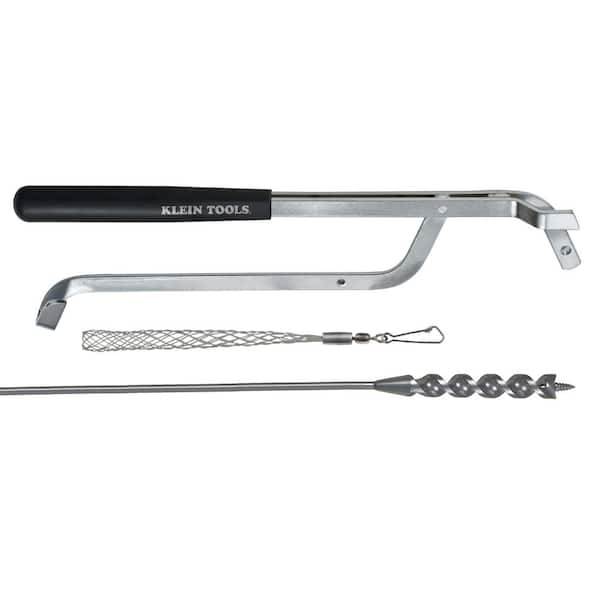
Frequently Asked Questions of flexible drill bit extension guide
What jobs are best for a flexible drill bit extension guide?
Driving screws in cabinets, under sinks, and behind appliances are top uses. It also helps for light drilling in tight spots.
Are all flexible drill bit extension guide shafts the same?
No. They vary by length, material, stiffness, and impact rating. Pick one that matches your drill and job.
Can a flexible drill bit extension guide hold speed and torque?
They reduce torque and stiffness compared to a straight bit. Use lower speed and steady pressure for best control.
How do I prevent the bit from slipping in the extension?
Use magnetic or locking holders and ensure the bit sits fully in the chuck or adapter. Tighten the drill chuck firmly.
Is it safe to use a flexible drill bit extension guide on masonry?
Not usually. Masonry drilling needs rigid, high-torque bits. Only use extensions rated for that task.
Conclusion
A flexible drill bit extension guide is a simple tool that solves many reach and angle problems. Use the right type, follow safe steps, and maintain the shaft. My advice: buy one good quality set, practice on scrap, and adjust speed for each job. Try it on a small task this week and see the time you save. Share your results or questions below and subscribe for more practical tool guides.