Razor scrapers cut harder, plastic scrapers protect softer surfaces and avoid scratches.
I have used both tools for years in home repair, glazing, and kitchen cleanup. This article breaks down razor scraper vs plastic scraper in clear, practical terms. You'll learn which tool fits each job, how to use them safely, how to care for them, and real tips from hands-on experience to help you pick the right scraper for your next task. Read on for a full, easy-to-follow guide.

What are razor scrapers and plastic scrapers?
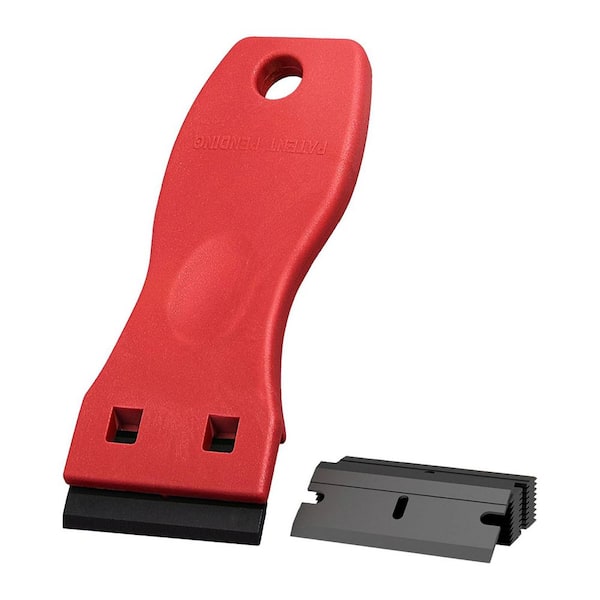
A razor scraper is a handheld tool that holds a thin metal blade. It removes paint, adhesive, dead paint chips, and stickers. The metal blade is very sharp and can cut through tough residues.
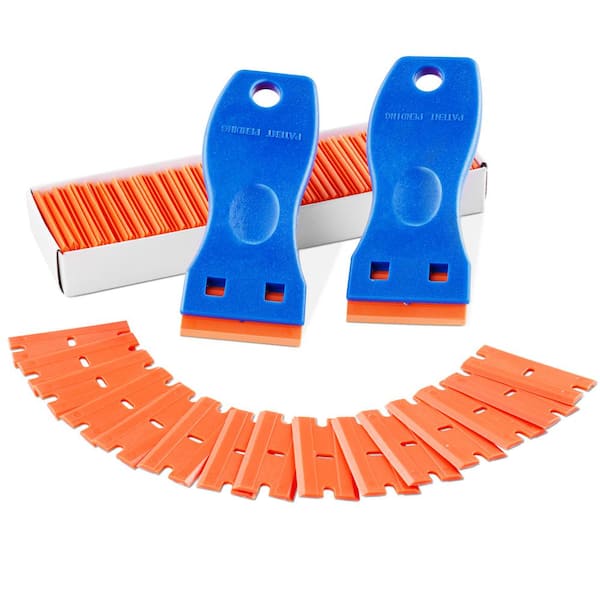
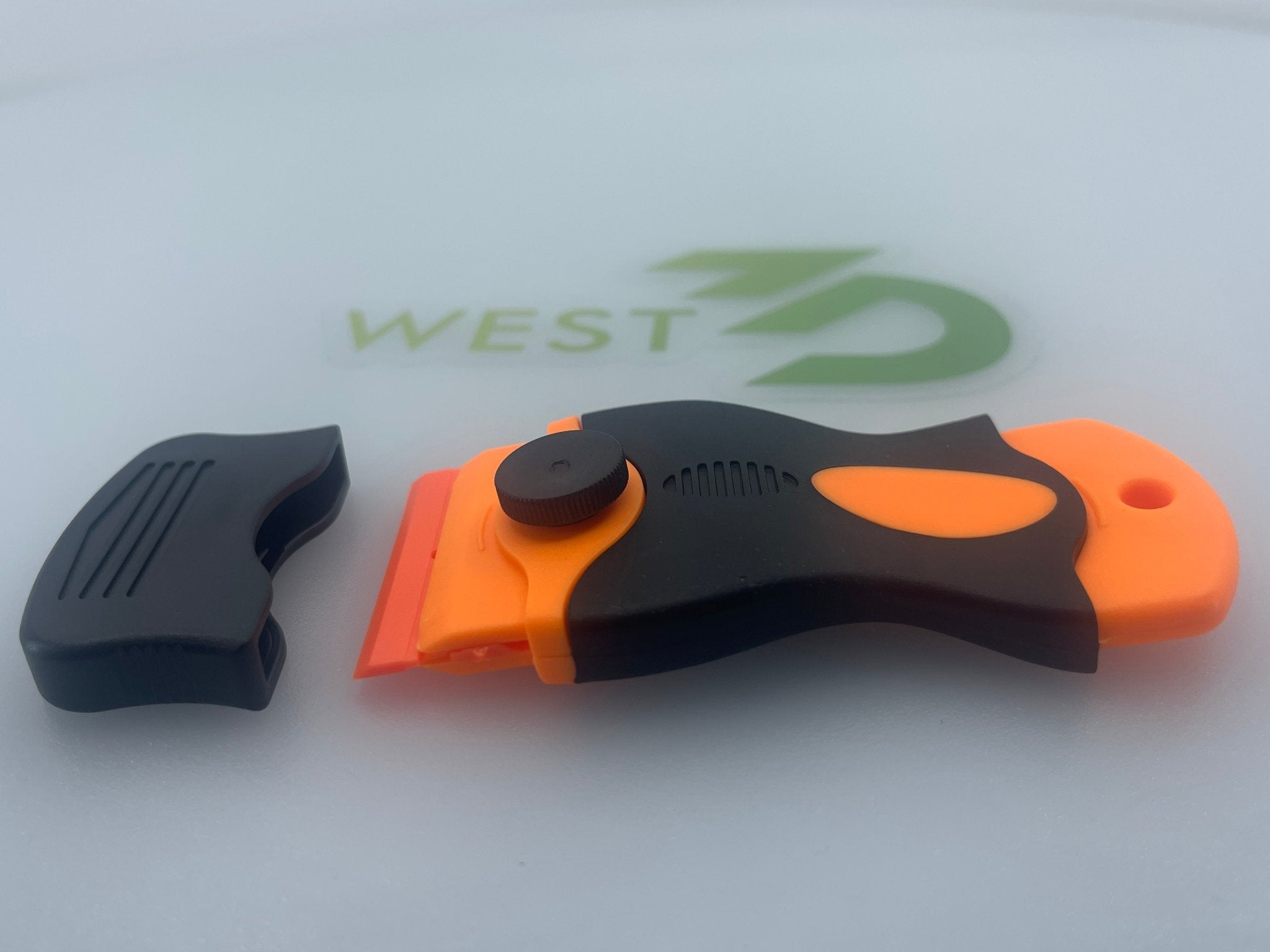
A plastic scraper is a wedge-shaped tool made from hard plastic. It scrapes without cutting into surfaces. It works well on nonstick pans, painted trim, and delicate glass coatings.
Both tools aim to remove unwanted material. The key difference is that razor scrapers cut while plastic scrapers lift. This guide will show where each one shines and where each can cause harm.
:max_bytes(150000):strip_icc()/sea-bench-scraper-vs-bowl-scraper-4f5f97a6937a45438247646d936593b3.jpg)
Key differences at a glance
- Cutting action versus lifting action: Razor scrapers slice; plastic scrapers pry.
- Surface risk: Razor scrapers can scratch; plastic scrapers are gentler.
- Durability: Razor blades wear but can be replaced; plastic scrapers can wear or deform faster.
- Cost: Razor scraper kits often cost less long-term due to cheap blades; plastic scrapers may cost more per durable unit.
- Precision: Razor scrapers give cleaner edges for paint removal; plastic scrapers reduce the risk of gouging softer materials.
When you weigh razor scraper vs plastic scraper, think about the surface, the residue type, and how much control you need.

Pros and cons of razor scrapers
Pros:
- Very effective on glass, tile, and metal for removing paint and adhesives.
- Thin blade gets under stubborn stickers and caulk.
- Replaceable blades keep the tool sharp for years.
- Good for precision work and tight edges.
Cons:
- High risk of scratching softer surfaces like painted wood or plastic.
- Blade changes can be fiddly and require safety steps.
- Can cut your skin if used carelessly.
- Not ideal for nonstick cookware or coated glass.
I often reach for a razor scraper when removing paint from a window. It gives a clean line. I learned to use a fresh blade and a steady angle to avoid scrapes.
Pros and cons of plastic scrapers
Pros:
- Gentle on painted surfaces, plastics, and coatings.
- Safe to use on nonstick pans and laminates.
- No cutting edge reduces risk of personal injury.
- Good for spreading, scooping, and gentle prying.
Cons:
- Less effective on hard adhesive and old paint.
- Plastic can melt on hot surfaces or warp with solvents.
- Edges round off over time and reduce effectiveness.
- Not as precise for thin film removal.
I keep plastic scrapers for removing food residue and stickers from painted trim. They save me from accidental gouges. When a stubborn glue shows up, I switch to chemical softener before scraping.

Best uses and surface compatibility
- Glass and ceramic: Use razor scraper for paint, stickers, and hard residues. Use plastic scraper for coated glass or decals you want to preserve.
- Metal and tile: Razor scraper works well for tough adhesives and paint.
- Painted wood and laminates: Use plastic scraper to avoid removing finish or paint.
- Nonstick cookware: Use plastic scraper only. Razor blades will ruin the coating.
- Automotive and decals: Razor scraper for vinyl removal on hard parts, plastic for painted panels to avoid gouges.
Match the tool to the surface. When in doubt, start with a plastic scraper and move to a razor scraper only if needed.
Safety, maintenance, and blade care
Safety with razor scraper vs plastic scraper starts with posture and attention. Hold the tool at a low angle and pull away from your body. Wear gloves and eye protection when scraping paint or glass.
Blade care tips:
- Replace razor blades often. A dull blade slips and causes damage.
- Store razor blades in a safe case. Dispose of old blades in a blade bank or wrapped tape.
- Clean plastic scrapers after solvent use to avoid weakening the plastic.
- Inspect plastic edges; sand lightly with fine grit to restore a sharper edge if needed.
Follow these steps to extend tool life and reduce accidents.

Buying guide and cost considerations
What to look for:
- Handle grip: Choose a textured, comfortable grip for control.
- Blade lock: For razor scrapers, a solid blade-lock prevents slips.
- Replacement parts: Check blade availability and price.
- Material grade: Look for reinforced plastics for longer wear.
- Multi-tool options: Some scrapers come as kits with both plastic blades and razor inserts.
Cost notes:
- Razor scrapers: Low upfront cost, cheap blades. Long-term cost is low.
- Plastic scrapers: Mid-range cost, but may need replacement sooner.
- Kits: Pay a bit more for safety features and spare parts, which can save money later.
When you compare razor scraper vs plastic scraper costs, factor in replacement parts, safety gear, and the risk of surface damage.
Personal experience and real-world tips
I have used both tools in pro and DIY jobs. One time I scraped old paint from a window and nicked the sash with a dull razor blade. The fix required sanding and repainting. Now I always test an unseen corner and use masking tape to protect edges.
Tips from practice:
- Always angle the blade shallow for glass. This reduces the chance of gouging.
- Warm sticky residue with a heat gun or hair dryer; it loosens glue and makes plastic scrapers effective.
- Keep a small plastic scraper in the kitchen drawer for spills and stuck-on food.
- For large paint jobs, use a razor scraper for glass and a plastic scraper for trim.
These small steps cut rework time and save surfaces.

Common mistakes and how to avoid them
- Using a dull razor blade: Replace blades often to prevent slips.
- Scraping at a steep angle: Use a low angle to reduce gouging.
- Skipping a test patch: Always test the tool in a hidden spot first.
- Applying too much force: Let the tool do the work; force leads to damage.
- Using the wrong scraper for cookware: Never use a razor scraper on nonstick surfaces.
Avoid these mistakes and you will get cleaner results with less repair work.
Frequently Asked Questions of razor scraper vs plastic scraper
Is a razor scraper better than a plastic scraper for glass?
A razor scraper is usually better for glass when removing paint, adhesive, or stickers because the blade can cut under tough residues. Use a fresh blade and a shallow angle to avoid scratching.
Can I use a plastic scraper on nonstick pans?
Yes. Plastic scrapers are safe for nonstick pans and remove stuck food without harming the coating. Avoid metal blades on nonstick surfaces.
How do I change a razor blade safely?
Wear cut-resistant gloves, engage the blade lock, and remove the old blade into a safe container. Follow the manufacturer steps and ensure the new blade is secure before use.
Which scraper is best for removing wallpaper paste?
Start with a plastic scraper to lift softened paste after applying a wallpaper remover or steam. For stubborn spots on hard surfaces, a razor scraper may help once the paste is softened.
Will a razor scraper damage painted wood?
It can if used at the wrong angle or with too much force. Use a plastic scraper or test a small hidden area first to be safe.
How often should I replace plastic scrapers?
Replace plastic scrapers when the edge becomes rounded or warped and no longer removes residue cleanly. Regular use may mean replacement every few months for heavy work.
Conclusion
Choosing between a razor scraper vs plastic scraper comes down to the surface and the job. Razor scrapers cut through tough residue and give precise results on hard surfaces. Plastic scrapers protect finishes and are safer for delicate work. Use both tools in your kit and pick the one that fits the task. Start small, test a spot, and follow safety steps to avoid damage.
Try the recommended tool on a test patch today. Share your experience, ask questions, or subscribe for more hands-on tips and tool guides.