Hold hot cookware with silicone pot holders, ensuring dry, intact grips and correct hand placement.
I’ve used silicone pot holders in busy home and test kitchens for years. This guide explains how to use silicone pot holders safely, step by step. I’ll show you what they do, how to avoid common mistakes, how to clean and store them, and how to pick the safest one. Read on for clear, practical guidance you can use right away.
Why choose silicone pot holders?
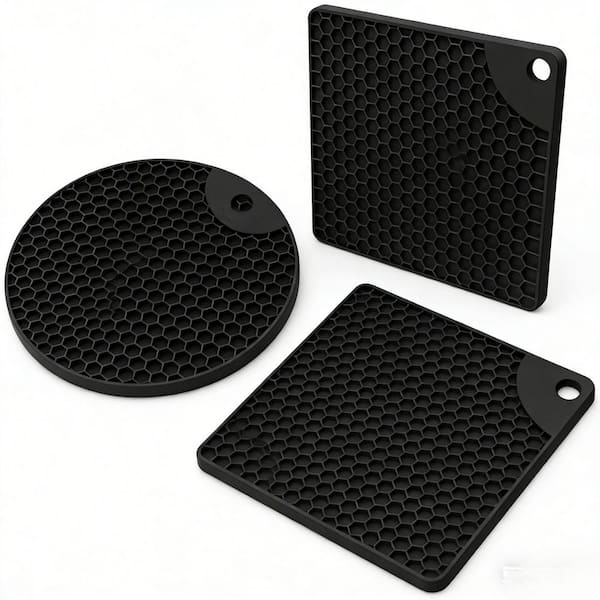
Silicone pot holders are popular because they resist heat, dry quickly, and are easy to clean. They often grip slick cookware better than cloth. Many are thin but strong, so they let you feel the item you’re lifting while protecting your hand.
Common benefits include:
- Heat resistance — Many food-grade silicone items handle high oven temperatures.
- Easy cleaning — Most are dishwasher safe and wipe-clean.
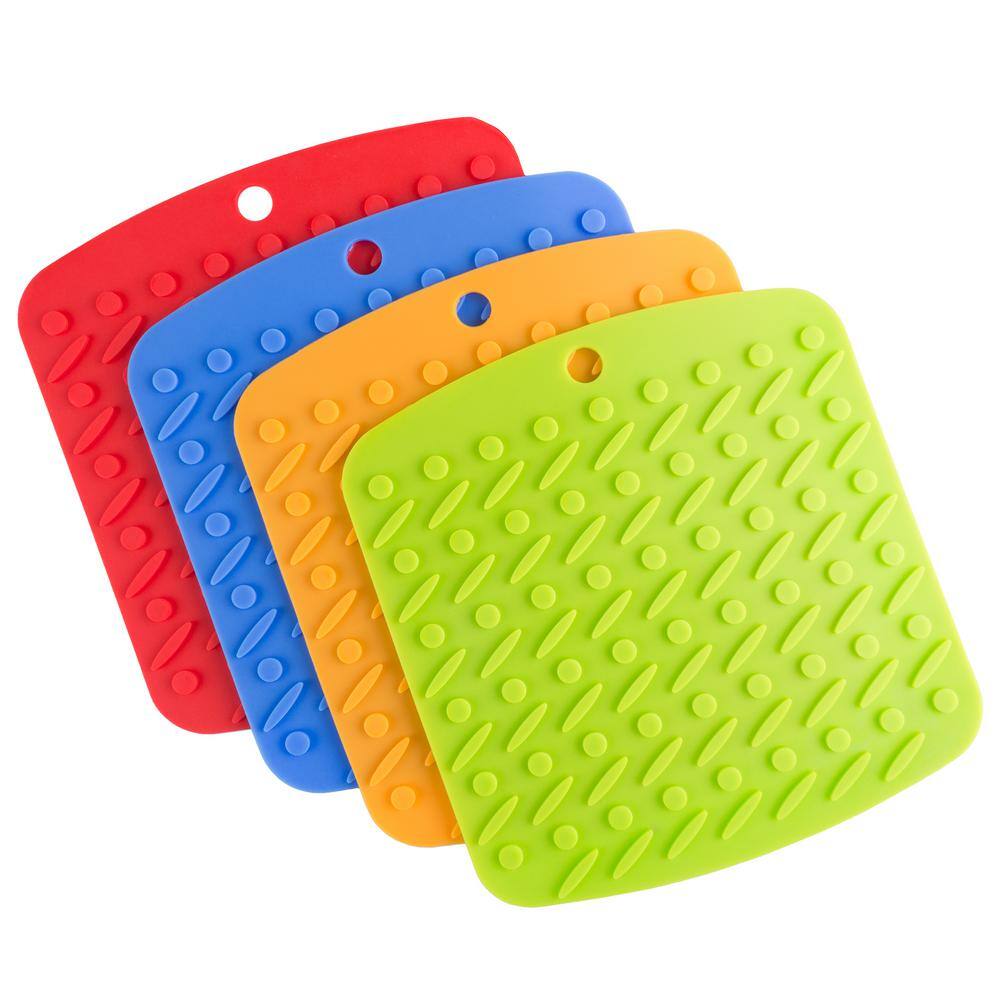
- Grip — Textured surfaces improve hold on pans and lids.
- Durability — No fraying or melting like some fabrics.
Use the product label to confirm its heat limit. When you know how to use silicone pot holders safely, you get both protection and control in the kitchen.

How silicone pot holders work
Silicone is a synthetic rubber made from silicon and oxygen. Its molecular structure gives it thermal stability. That means it can resist heat better than many common fabrics.
Key points about the material:
- Thermal barrier — Silicone slows heat flow, which protects skin during brief contact.
- Nonporous surface — It resists stains and liquids, making it easier to sanitize.
- Flexible — The material bends to fit shapes, improving grip.
Remember that thickness and texture matter. Thin silicone can transmit heat faster than thick silicone. Always factor product design into how to use silicone pot holders safely.
How to use silicone pot holders safely — step-by-step
Follow these steps each time you handle hot cookware. Repeating them builds a safe habit.
- Check the holder first
- Inspect for tears, deep cuts, or melting before use. Damaged silicone can fail under load.
- Keep the holder dry
- Dry silicone grips best. Wet silicone conducts steam and can let hot liquid pass through. Never use a wet holder on a hot pan.
- Confirm the temperature rating
- Read the manufacturer label. Many silicone pot holders are rated for 400–500°F (200–260°C), but ratings vary.
- Position your hand correctly
- Place the holder so it covers the palm and fingers, not just the fingertips. Wrap the holder around the handle or edge for a secure grip.
- Test the grip before lifting
- Lightly lift to confirm the hold. Adjust if you feel slippage.
- Use additional support for heavy items
- For large baking sheets or heavy pots, use two holders or a trivet. Two hands are safer than one.
- Mind steam and edges
- Steam can burn quickly. Tilt lids away from you and avoid placing your hand directly above a vent or spout.
- Don’t expose to open flames
- Silicone resists heat but can char if exposed to direct flame. Keep holders away from gas burners and grill flames.
- Cool before storing near heat
- Let holders cool properly after use. Don’t store them on a hot stove or inside an oven.
How to use silicone pot holders safely also means knowing what they are best for and when to use other tools like tongs or oven mitts.

Quick common questions
What if my silicone holder feels slick? Test grip and switch holders if it slips. Textured or thicker holders give better traction.
Can I use silicone on a steaming pot lid? Keep the holder dry and angle the lid away so you avoid steam burns.
Is silicone safe for oven-to-table use? Yes, when within its rated temperature and not placed on direct flame.

Cleaning, care, and longevity
Good care extends the life of your pot holders and keeps them safe.
Cleaning tips:
- Dishwasher safe — Most silicone pot holders go in the dishwasher on the top rack.
- Hand wash — Use warm, soapy water and a soft sponge for stubborn grease.
- Stain removal — A baking soda paste can lift stains without harsh chemicals.
- Sanitize occasionally — Boil briefly or use a dishwasher sanitize cycle when deeper cleaning is needed.
Storage and inspection:
- Store flat or hung to avoid creasing.
- Inspect after several months of heavy use. Replace if the silicone becomes sticky, cracked, or oddly discolored.
Following these care steps helps you keep using silicone pot holders safely and effectively.

Limitations, hazards, and what to avoid
Silicone pot holders are not foolproof. Know their limits.
Common hazards:
- False confidence — Thick silicone protects briefly, but a long contact with a hot surface will eventually transfer heat.
- Wet or oily surface — Water, oil, or grease reduces traction and can cause slippage.
- Thin designs — Thin pads let heat through faster than bulky mitts.
- Direct flame — Open flame or glowing coals can damage silicone.
What to avoid:
- Don’t use a wet holder on a hot pan.
- Don’t rely on a single thin holder for a heavy casserole.
- Don’t place silicone holders too close to heating elements or open flames.
Understanding these limits is part of knowing how to use silicone pot holders safely.

Buying tips and safety standards
Choose holders that match your cooking style and safety needs.
What to look for:
- Food-grade silicone — Look for food-safe labeling and compliance with common safety guidelines.
- Temperature rating — Pick holders rated for your typical oven temperatures.
- Thickness and texture — Thicker and textured designs give more protection and better grip.
- Certifications and reviews — Check product reviews and safety claims in the listing.
Consider extras:
- Magnetic or hanging loops for storage.
- Combo sets that pair silicone grips with cloth for steam protection.
- Warranty or clear replacement policy.
Smart buying reduces risk and makes it easier to use silicone pot holders safely from day one.

Personal experience: mistakes I made and lessons learned
I once grabbed a glass baking dish with a thin silicone holder that was damp on one side. The dish slipped and I almost dropped it. I learned to always dry the holder and use two hands for heavy items.
Other lessons:
- I learned to read temperature ratings. One product claimed “heat resistant” but had a low rating. I now match tool ratings to my oven settings.
- I prefer textured, thicker grips for cast-iron pans. Thin pads work great for light bowls but not for heavy skillets.
These small changes reduced spills and burns in my kitchen. They will help you, too, as you practice how to use silicone pot holders safely.
Frequently Asked Questions of how to use silicone pot holders safely
Are silicone pot holders heatproof?
Most are heat resistant but not fully heatproof. Check the manufacturer’s maximum temperature and avoid long, direct contact with very hot surfaces.
Can I use silicone pot holders on glass cookware?
Yes, but use a secure grip and test before lifting. Glass can be heavy and slippery when hot, so use two holders for safety.
Do silicone pot holders melt?
They can deform if exposed to temperatures beyond their rated limit or to direct flame. Always follow the product’s temperature rating and avoid open flames.
How often should I replace silicone pot holders?
Replace them when they show tears, sticky surfaces, or deep cuts. With regular care, quality silicone can last years, but inspect them regularly for wear.
Are silicone pot holders safe for food contact?
Most food-grade silicone is safe for brief contact with hot cookware. Confirm the product is labeled food-grade and follow cleaning instructions.
Conclusion
Using silicone pot holders safely is mostly about simple habits: inspect before use, keep them dry, respect temperature limits, and use two hands for heavy items. When you follow these steps, silicone pot holders give fast, reliable protection and make cooking easier. Try the checklist in this article the next time you cook, and share your experience or questions below to help others learn too.