Creamers change coffee's flavor, texture, and calories; pick one that fits your routine.
I have spent years testing and recommending creamers to friends, cafes, and clients. This guide on exploring coffee creamer usage and types breaks down options, health trade-offs, and real-world tips. You will learn how to match creamer type to brew, flavor, diet, and use case. Read on for practical advice from hands-on experience and clear, research-backed insight.

Why creamers matter for your cup
Creamer shapes the first sip. It adds mouthfeel, tames bitterness, and highlights aroma. Understanding creamers helps you craft coffee that fits your mood and health needs.
Creamer choice affects calories, texture, and how coffee cools. Small swaps change taste and nutrition a lot. If you care about flavor and health, exploring coffee creamer usage and types is worth a few minutes.
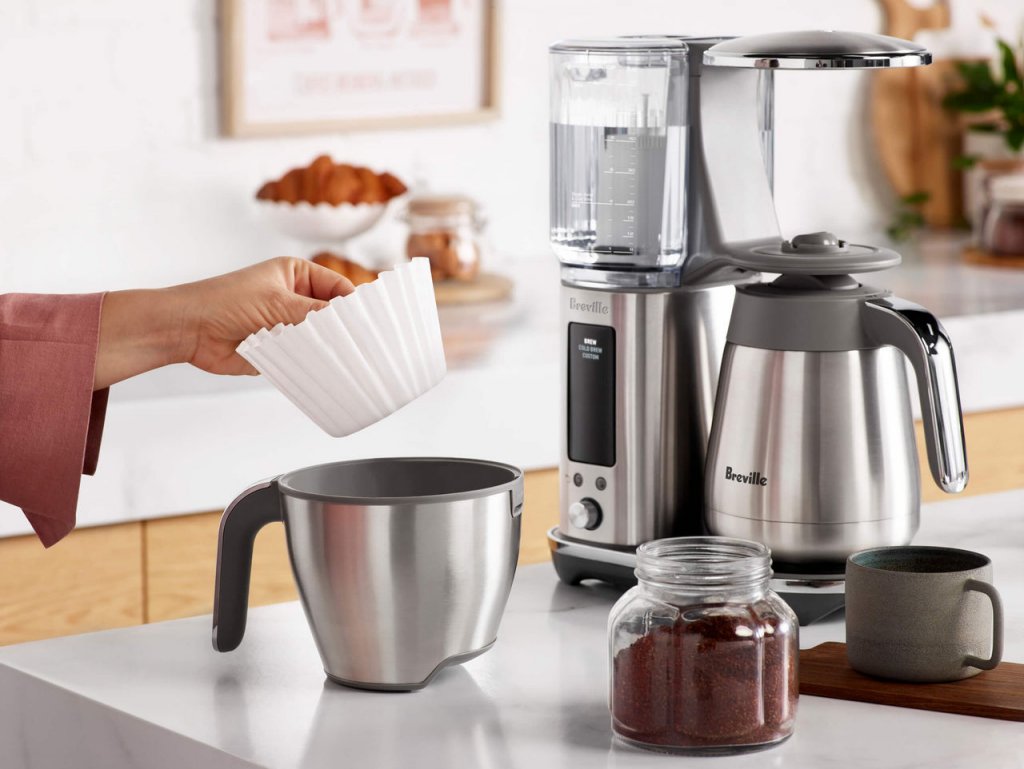
Types of coffee creamer
Below are the main categories. Each works a bit differently in hot or cold coffee.
- Dairy liquid creamer — Real milk or half-and-half. Adds rich mouthfeel and a creamy foam when steamed.
- Powdered creamer — Shelf-stable and sweet. Good for travel or vending machines, but often contains hydrogenated oils.
- Plant-based liquid creamer — Made from oat, almond, soy, coconut, or pea. Often formulated to mimic milk texture.
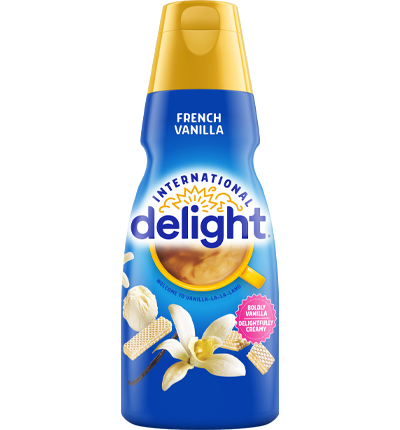
- Flavored creamers — Vanilla, caramel, or seasonal spices. Usually sweetened; used to add dessert-like notes.
- Lactose-free and specialized — Uses lactase or alternative bases for people with lactose intolerance.
- Keto and low-carb creamers — High fat, low carb. Often use MCT oil or butter-style fats for satiety.
When exploring coffee creamer usage and types, think: do you want flavor, texture, shelf life, or diet fit? Each type answers a different need.

How to use creamers effectively
Simple rules make your coffee better fast. Use them to control taste and texture.
- Start small — Add one tablespoon and taste. You can always add more.
- Match temperature — Cold creamers work best in iced coffee; warm creamers blend better in hot coffee.
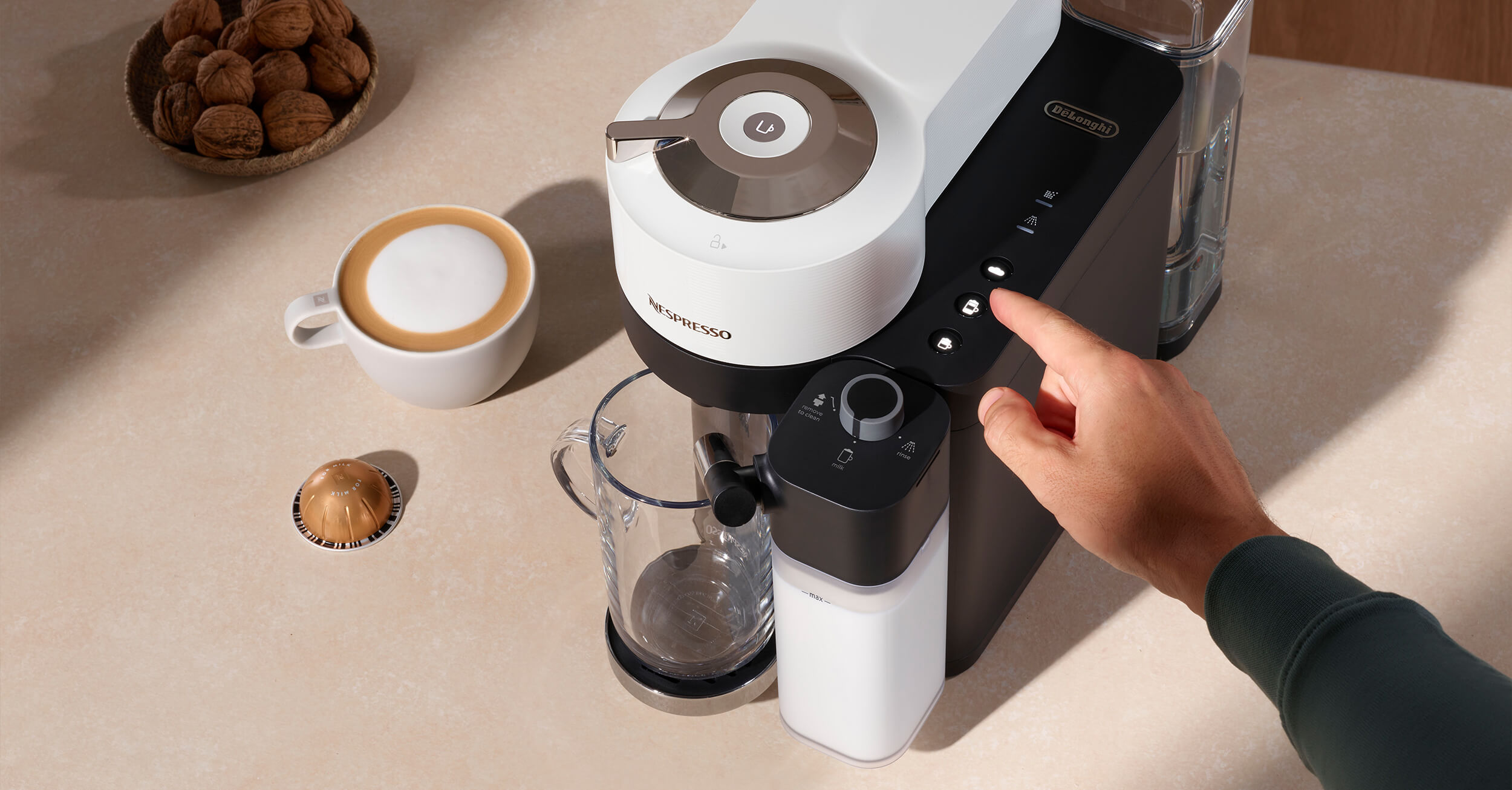
- Froth and foam — Dairy or barista-style plant creamers froth well for lattes. Use a frother or steam wand.
- Mix-ins and pairings — Choose flavored creamer to pair with syrups, or keep creamer neutral and add single-origin flavor.
- Baking and cooking — Use heavy cream or full-fat liquid creamers for desserts. Powdered creamers can change texture in baking.
From my tests, oat-based barista creamers steam and foam almost like dairy. If you are exploring coffee creamer usage and types for lattes, pick a barista formulation for best texture.
Health, nutrition, and allergens
Creamers range from near-water to high-calorie fats. Watch labels to match health goals.
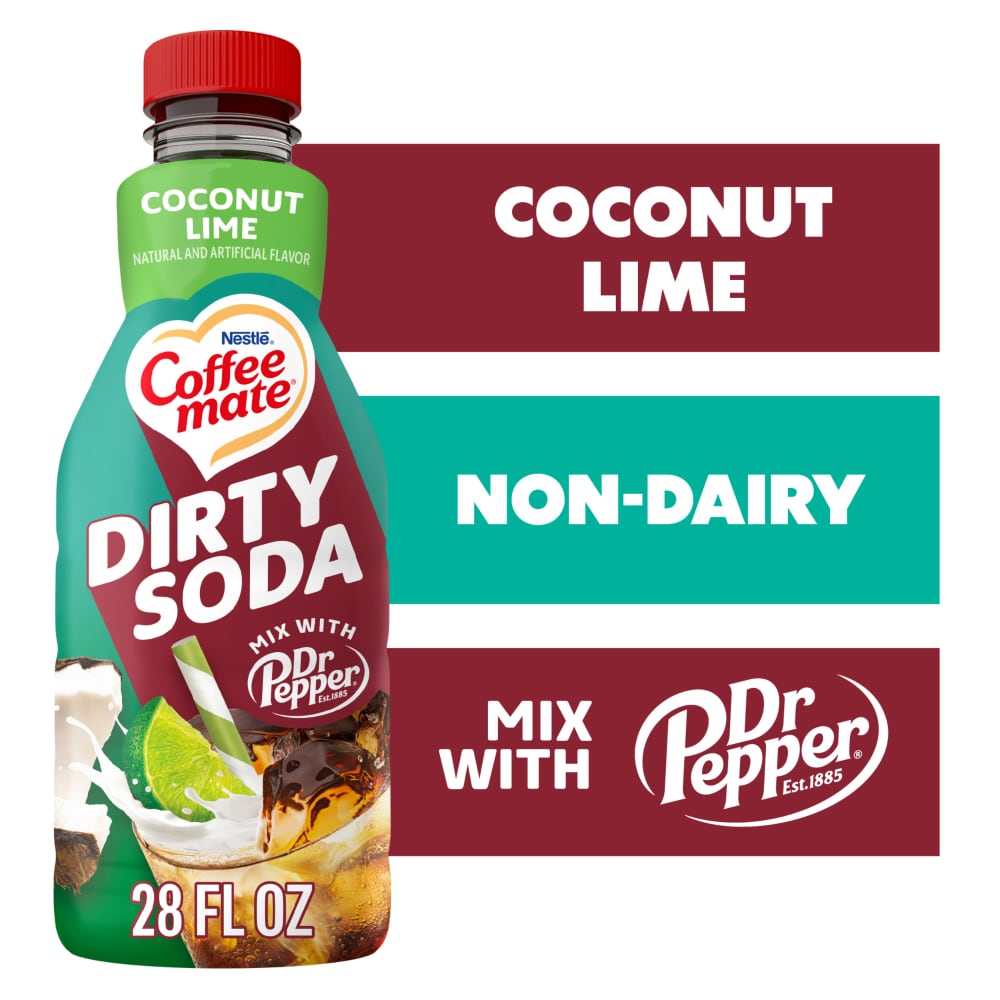
- Calories and sugar — Flavored liquid creamers often add 20–80 calories per tablespoon with added sugar.
- Fat and keto options — Heavy cream and some keto creamers are calorie-dense but low in carbs.
- Trans fats and additives — Some powdered creamers may contain partially hydrogenated oils. Check ingredient lists.
- Allergens — Dairy, soy, and nut-based creamers can trigger allergies. Look for allergen statements.
- Vitamins and fortification — Some plant creamers are fortified with calcium or B12 to mimic dairy benefits.
I once switched to a plant-based creamer for a month to test digestion. It reduced bloating but added more sugar than I preferred. That taught me to check both sugar and ingredient quality when exploring coffee creamer usage and types.
How to choose the right creamer
Choose by use, taste, and health goals. Use this quick checklist.
- Define your priority — Flavor, foam, low sugar, plant-based, or budget.
- Read labels — Look for added sugars, oils, and stabilizers.
- Try samples — Buy smaller bottles or single-serve cups before committing.
- Consider barista lines — If you make lattes, choose creamers marketed for steaming.
- Storage and shelf life — Powdered and shelf-stable liquids last longer than fresh dairy.
A tip from experience: make a tasting grid at home. Try three creamers with the same coffee and note aroma, mouthfeel, aftertaste, and calories. This helps when exploring coffee creamer usage and types across brands.
Practical recipes and pairings
Use creamers beyond plain coffee. Try these easy ideas.
- Simple flavored latte — Brew strong coffee, add 2 tablespoons flavored creamer, steam or froth, top with cinnamon.
- Iced creamy coffee — Shake cold brew with 3 tablespoons plant-based creamer and ice. Serve in a tall glass.
- Coffee smoothie — Blend cold coffee, banana, a scoop of powdered creamer, and ice for a quick breakfast.
- Coffee-based baking — Replace milk with liquid creamer in muffins for richer crumb. Avoid powdered creamer in custards.
When exploring coffee creamer usage and types, think of creamer as both a flavor agent and a texture tool. Use it to simplify recipes or to elevate simple drinks.

Common mistakes and how to avoid them
Avoid these easy traps for better coffee every day.
- Using too much creamer — It can mask coffee origin notes. Start small.
- Choosing only by price — Cheap creamers may have unhealthy oils or off flavors.
- Ignoring allergy labels — Cross-contamination can happen in factories. Check statements.
- Not testing in both hot and cold — Some creamers separate in iced drinks. Test before serving guests.
My own mistake was over-sweetening during testing. I learned to taste coffee black first, then add creamer sparingly. This habit helps when exploring coffee creamer usage and types and keeps flavors balanced.
Frequently Asked Questions of exploring coffee creamer usage and types
What is the difference between liquid and powdered creamer?
Liquid creamer is often milk-based or plant-based and mixes smoothly. Powdered creamer is shelf-stable and dissolves in hot drinks but may contain oils or stabilizers.
Are plant-based creamers healthier than dairy?
Not always. Plant-based creamers can be lower in saturated fat but may contain added sugars or oils. Check nutrition labels and ingredient lists.
Can creamers be used in baking?
Yes. Liquid creamers work well in baked goods for moisture and flavor. Powdered creamers can alter texture, so test recipes first.
How do I pick a creamer for lattes?
Choose barista-style creamers or full-fat dairy for better foam and mouthfeel. Look for words like "barista" or "for steaming" on the label.
Are flavored creamers high in sugar?
Many flavored creamers add sugars or sweeteners. Sugar content varies widely, so compare labels if you limit sugar.
Conclusion
Exploring coffee creamer usage and types helps you craft better coffee for taste, diet, and function. Match the creamer to your brew and routine. Start by testing small amounts and compare three options to find what fits your palate.
Try one new creamer this week and note how it changes your cup. Share your results or ask a question in the comments to keep learning.