A drain snake usage guide helps you clear drains quickly, cheaply, and with minimal damage.
I’ve worked on dozens of household clogs and written this drain snake usage guide to help both beginners and DIY fans. I’ll walk you through types, safety, step-by-step use, common problems, and care tips so you can handle most clogs with confidence and avoid bigger plumbing bills.

Why use a drain snake
A drain snake is a simple tool that reaches and removes blockages deep in pipes. This drain snake usage guide shows when a snake is better than plungers, chemical cleaners, or calling a plumber.
Benefits of using a drain snake:
- Clears hair, grease, and buildup that a plunger can’t reach.
- Saves money versus many service calls.
- Reduces the need for harsh chemicals that harm pipes and the environment.
- Works on sinks, tubs, and some toilets when used correctly.
When to pick a drain snake:
- Slow draining sinks or tubs after trying a plunger.
- Recurrent clogs caused by hair or small debris.
- When you want a reusable, low-cost fix.
I’ve used drain snakes on kitchen and bathroom drains many times. They fixed most clogs in minutes when used right. This guide shares the exact steps I use.

Types of drain snakes and which to pick
There are a few common types. Knowing each helps you pick the right tool for the job. This part of the drain snake usage guide breaks them down.
Common types:
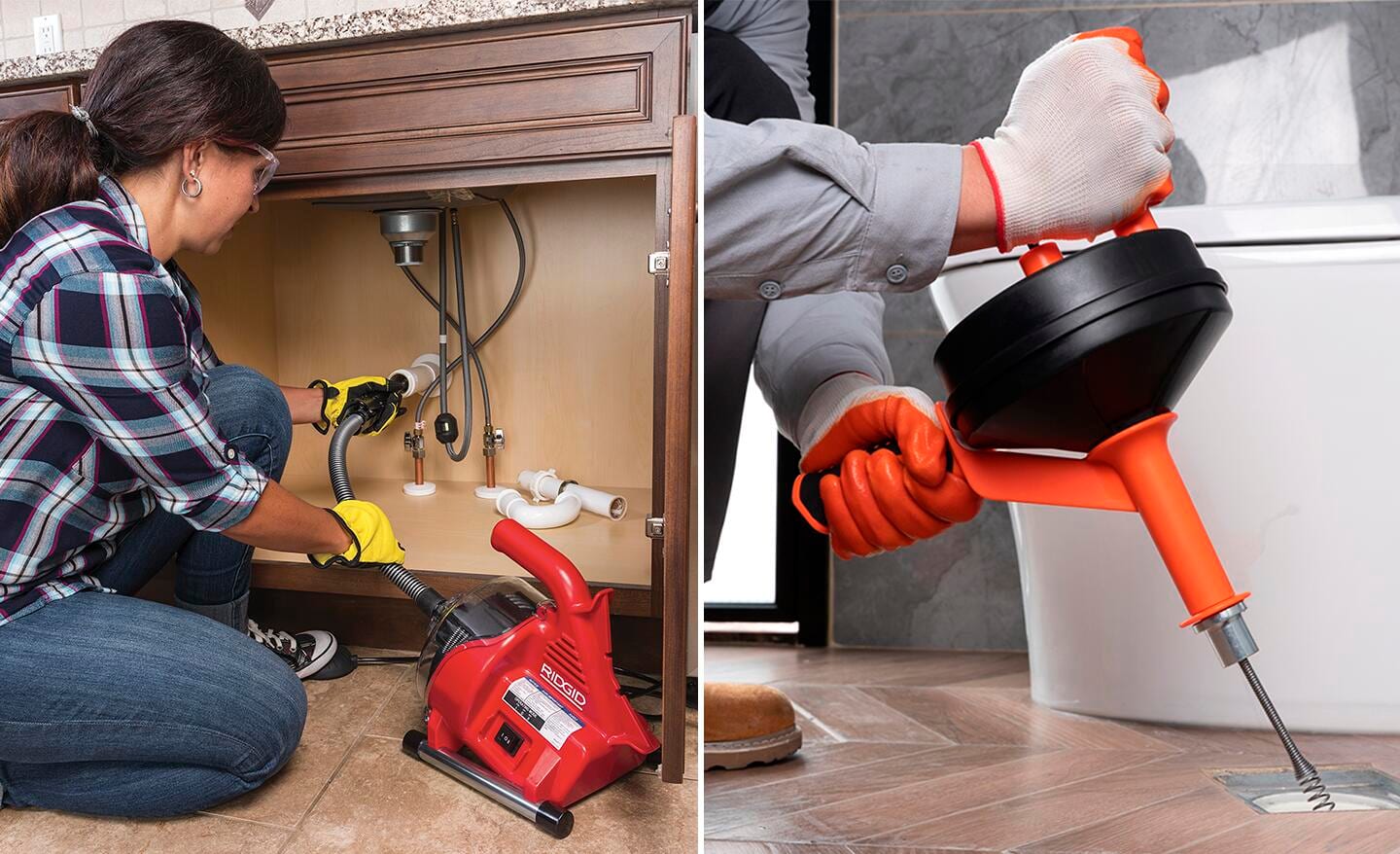
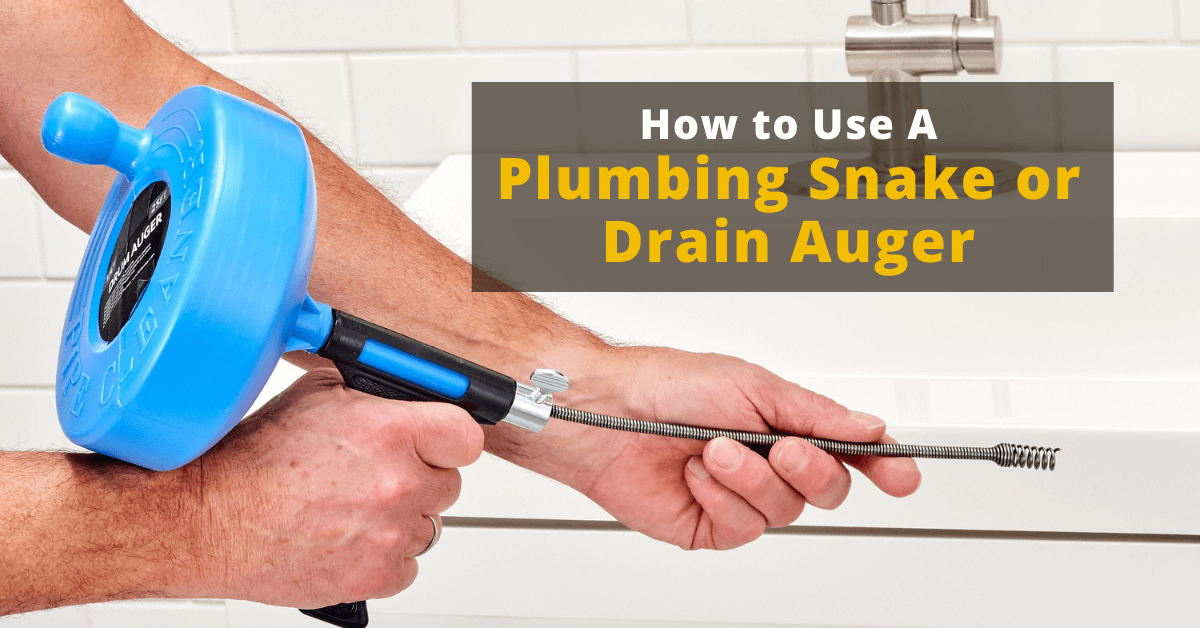
- Hand auger
- Short, flexible cable for sinks and tubs.
- Best for light clogs and tight spaces.
- Power auger (drum auger)
- Motorized, for deeper or tougher clogs.
- Good for main lines or stubborn blockages.
- Toilet auger
- Shorter with a protective boot for toilet use.
- Safer for porcelain and curved trapways.
- Cable snake with attachments
- Comes with cutters or hooks for hair and roots.
- Versatile for different materials.
How to choose:
- Use a hand auger for bathroom sinks and tubs.
- Use a toilet auger for toilets only.
- Use a power auger for main line clogs or when manual snakes fail.
- Consider cable length and diameter for deep versus shallow pipes.

Safety and preparation
Safety and prep steps make the job faster and cleaner. This drain snake usage guide covers what to prep before starting.
Safety checklist:
- Wear gloves and eye protection.
- Remove standing water if possible.
- Turn off power near the work area if using a power auger.
- Clear the cabinet or floor around the drain.
- Keep a bucket and towels nearby.
Prep steps:
- Run hot water briefly to loosen grease if the clog is grease-based.
- Remove sink stoppers and clean visible gunk.
- Inspect the pipe access point and clean around it.
I once skipped gloves and regretted it. Gloves and simple goggles kept me safe and saved cleanup time.
:strip_icc()/how-to-use-a-snake-drain-100441586-7623d03d4d214fd8855f58aaac8a80e8.jpg)
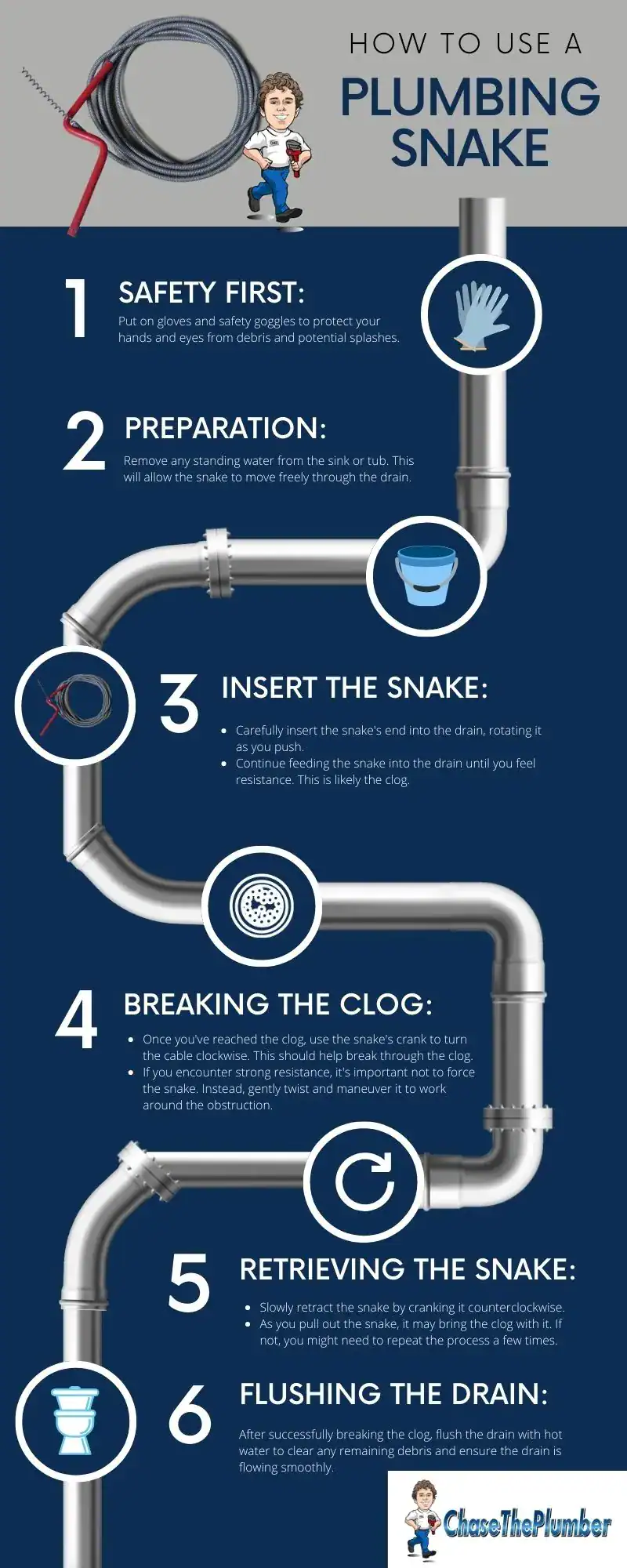
Step-by-step: How to use a drain snake
Follow these clear steps from a proven drain snake usage guide. I keep steps short so anyone can follow them.
- Set up and position
- Put towels and a bucket under the trap.
- Wear gloves and eye protection.
- Insert the snake
- Feed the cable into the drain slowly.
- If you meet resistance, rotate the cable clockwise to help it pass.
- Break or hook the clog
- Push gently and rotate until you feel the obstruction.
- Use a push-and-pull motion to break up or hook the clog.
- Pull out the debris
- Retract the cable slowly to avoid splatter.
- Clean the cable with a rag into the bucket.
- Test the drain
- Run hot water for a minute to flush remaining debris.
- If slow, repeat the process once or twice.
- Final clean
- Sanitize the area and tools.
- Store the snake dry to prevent rust.
Tips from experience:
- Don’t force the snake hard. Gentle rotation works better.
- If the cable kinks, retract and straighten it before continuing.
- For toilets, use the toilet auger and avoid using metal cable that may chip porcelain.
This drain snake usage guide step sequence helped me clear a bathtub full of hair in under ten minutes during a rental turnover.
Common problems and fixes
Clogs sometimes resist simple fixes. This drain snake usage guide lists common issues and quick remedies.
Problem: Cable won’t advance
- Fix: Pull back, straighten the cable, and try again. Use more rotation and less force.
Problem: Drain still slow after snaking
- Fix: There may be grease buildup that needs hot water and a biodegradable degreaser. Repeat snaking or try a longer cable.
Problem: Water backs up into another fixture
- Fix: This can signal a deeper blockage in the main line. Stop and consider a power auger or a pro.
Problem: Cable kinks or snaps
- Fix: Replace the cable. Avoid bending the snake sharply around tight corners.
Problem: Foul odor after clearing
- Fix: Flush the drain with hot water and a small amount of baking soda and vinegar, then rinse.
Maintenance and care for your snake
Proper care keeps your snake ready and safe. This part of the drain snake usage guide shows quick upkeep steps.
Storage and cleaning:
- Wipe the cable with a cloth after each use.
- Apply a light oil to the cable to prevent rust.
- Store the snake in a dry place and coiled loosely.
Inspection:
- Check for kinks or frays before use.
- Replace worn cables or attachments promptly.
Routine tips:
- Test the snake occasionally on a clean drain to keep it moving smoothly.
- Label the snake for plumbing use only; don’t use it for electrical or other tasks.
I keep two snakes: a short hand auger for quick jobs and a longer cable for tougher clogs. This saved time and extended tool life.

When to call a professional
This drain snake usage guide includes clear signs to stop and call a pro.
Call a plumber when:
- Multiple drains are clogged at once.
- Water backs up into other fixtures or outdoors.
- You suspect tree root intrusion.
- A power auger or repeated snaking fails.
- Pipes are old, corroded, or damaged after attempting a fix.
Professionals have camera inspection and motorized tools that avoid damage and save time. If you’re unsure, calling early can prevent costly repairs.
Frequently Asked Questions of drain snake usage guide
How deep can a hand auger reach?
A typical hand auger reaches about 10 to 25 feet. For deeper blockages, use a longer cable or a power auger.
Can I use a drain snake on a garbage disposal?
You can use a drain snake on the disposal’s drain pipe, but never insert metal into the disposal chamber. Turn off power before working.
Will a drain snake damage my pipes?
When used properly, a drain snake should not damage pipes. Avoid forcing the cable and use the correct type for your drain.
How long should a snake cable be for kitchen drains?
A 25- to 50-foot cable is usually enough for most kitchen drain clogs. Longer cables are better for main line issues.
Do drain snakes remove tree roots?
Manual drain snakes may cut small root masses, but significant root intrusion requires a power auger or professional rooter service.
Conclusion
This drain snake usage guide gives clear steps, safety tips, and real-world advice to help you handle most household clogs. Try the right type of snake, follow the steps, and care for your tool to save time and money. If a clog resists or affects multiple fixtures, call a professional to prevent bigger damage. If this guide helped you, try a small snake on your next minor clog and share your results or questions below — subscribe for more practical home-care tips.