If you want neat lines along sidewalks, driveways, flower beds, garden paths, or patio borders, a half moon lawn edger is a practical hand tool that gets the job done without fuel, cords, or expensive equipment. In this guide, you’ll learn how to use a half moon lawn edger properly, when to edge your lawn, what tools you need, how to avoid common mistakes, and how to maintain the blade for long-lasting performance.
Whether you’re a beginner or simply want better lawn edging results, this guide will help you improve your half moon lawn edger tool usage and achieve cleaner, more precise borders.

What Is a Half Moon Lawn Edger?
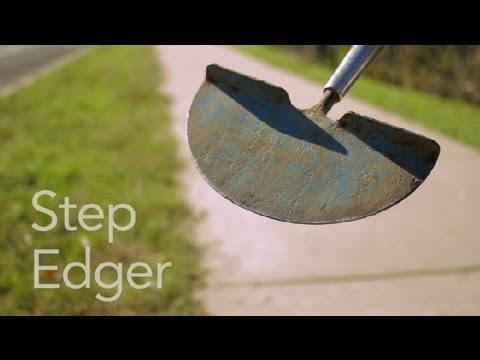
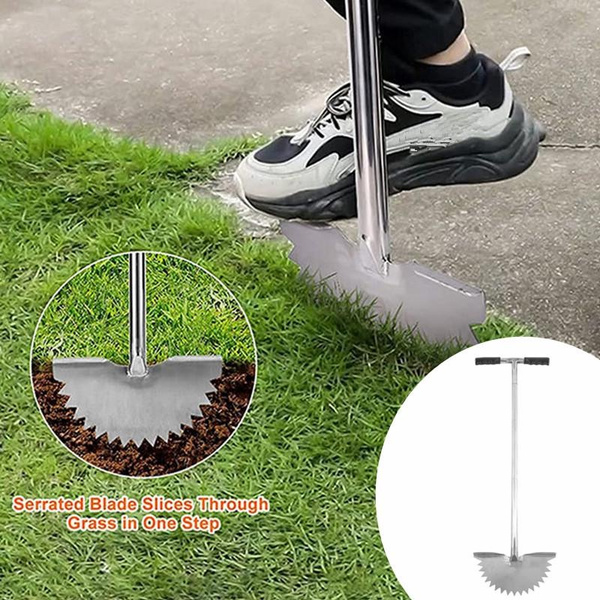
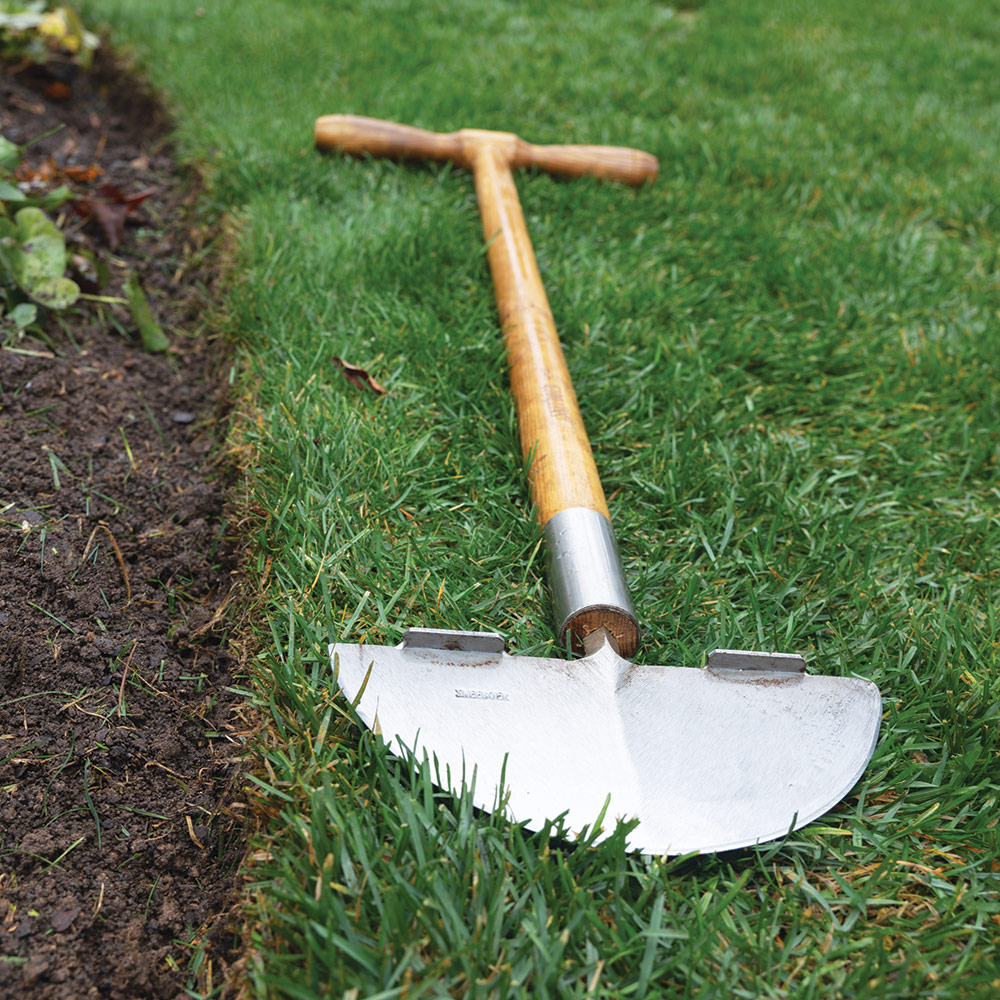
A half moon lawn edger is a manual landscaping tool with a crescent-shaped blade attached to a long handle. It is designed to slice a clean edge between grass and hard surfaces such as concrete, pavers, sidewalks, or driveway borders.
The tool works by cutting straight down into the soil and turf, creating a sharp visual boundary that instantly makes your lawn look more polished. For homeowners who want a simple, low-cost solution for lawn care, half moon lawn edger tool usage is an excellent choice.
Using a half moon lawn edger offers several benefits:
- Improves curb appeal
- Prevents grass from creeping into flower beds
- Makes mowing easier by defining the border
- Helps clean up uneven lines left by string trimmers
- Provides precision without fuel, batteries, or cords
If you want a neat, controlled, and affordable way to maintain your lawn, this manual edging tool is hard to beat.
Source: youtube.com
When to Use a Half Moon Lawn Edger
The best time for half moon lawn edger tool usage is when the soil is slightly moist and easy to cut. Moist soil allows the blade to slice through turf cleanly, with less effort and less tearing.
It’s especially useful during seasonal lawn maintenance or whenever your edges begin to look overgrown.
Good times to edge your lawn include:
- Early spring to restore clean lawn lines after winter
- After mowing for a crisp finish along sidewalks and driveways
- Before creating new garden beds or redefining existing borders
- Before events or special occasions when curb appeal matters most
For best results, avoid edging when the soil is frozen, extremely dry, or heavily compacted. In those conditions, the tool becomes harder to use and may leave ragged edges.
Source: wiseguysbarbershops.com
Tools, Safety Gear, and Preparation
Before you start edging, it helps to gather the right tools and prepare the area. A little prep makes half moon lawn edger tool usage safer, faster, and more accurate.
Here’s what you’ll need:
- Half moon lawn edger with a sharp blade and sturdy handle
- Gloves to protect your hands
- Closed-toe shoes or boots for foot protection
- Eye protection if dirt or debris may fly up
- Spade or flat shovel for deeper cuts or cleanup
- Tarp or wheelbarrow to collect removed sod
- String line or garden hose to mark straight or curved borders
Preparation tips:
- Lightly water the area the day before if the ground is too dry
- Mow the grass first so the edge line is easier to see
- Remove rocks, sticks, and debris from the cutting path

Source: ebay.com
How to Use a Half Moon Lawn Edger: Step-by-Step
If you want a neat, professional-looking edge, the key is to move slowly and keep your cuts controlled. Rushing often leads to uneven borders and extra cleanup.
- Mark the edge
- Use a string line, hose, or visible border to guide your cut.
- Position the blade
- Place the blade vertically with the curved edge aimed where you want the cut.
- Press down to start the cut
- Step on the top of the blade with one foot and push it into the turf.
- Work in short slices
- Move forward slowly, lifting and slicing small sections at a time.
- Control the depth
- For most lawns, aim for a trench about 1.5 to 3 inches deep. For permanent borders, you may go a little deeper.
- Clean up the edge
- Remove loose sod, rake debris, and firm the trench wall if needed.
Helpful edging tips:
- Use short, steady motions instead of long, forceful strokes
- Move slowly around curves to keep the border smooth
- If the blade starts tearing grass, stop and sharpen it

Source: dehumodels.com
Blade Care, Sharpening, and Maintenance
Regular maintenance is essential if you want clean cuts and a longer tool life. A dull or rusty blade makes half moon lawn edger tool usage harder and can tear the turf instead of slicing it cleanly.
- Clean after every use
- Wash off soil, grass, and debris, then dry the blade thoroughly.
- Sharpen regularly
- Use a flat file or bench grinder to restore the edge at the original blade angle.
- Store properly
- Keep the tool in a dry place and hang it if possible to prevent rust.
- Inspect for damage
- Check for cracks in the handle, bends in the blade, or loose fittings before each season.

Source: burgonandball.com
Common Mistakes to Avoid
Even a simple tool can produce messy results if it’s used incorrectly. Avoid these common mistakes to improve your lawn edging results:
- Cutting in dry, compacted soil
- Problem: The blade tears grass and requires more effort.
- Fix: Lightly water the area before edging.
- Using long, aggressive strokes
- Problem: The edge becomes uneven and harder to control.
- Fix: Use short, controlled steps.
- Skipping blade maintenance
- Problem: Dull blades create rough cuts and increase strain.
- Fix: Clean and sharpen the blade regularly.
- Not compacting the trench edge
- Problem: The border may crumble or collapse quickly.
- Fix: Firm the edge with your foot or a tamper.

Source: amazon.com
Alternatives, Limitations, and When to Choose Something Else
A half moon lawn edger is excellent for precision work, but it is not always the best tool for every job. It offers control and affordability, but it can be slow on large properties or difficult terrain.
Strengths:
- Low cost and easy to use
- No fuel, charging, or cords required
- Great for detailed edging in residential lawns
Limitations:
- More labor-intensive than powered options
- Less effective in rocky or very hard soil
- Not ideal for large commercial edging jobs
Alternatives:
- Power edgers for long, straight borders
- String trimmers for quick touch-ups
- Permanent edging materials for lasting bed separation
If you want accuracy, control, and a traditional hand-tool approach, half moon lawn edger tool usage remains one of the best ways to achieve a clean finish.
Source: finegardening.com
Personal Experience and Real-World Tips
From experience, the best edging results come from patience and consistency. When I first started using a half moon lawn edger, I made the mistake of trying to cut too deeply too quickly. Over time, I learned that smaller, controlled cuts create much cleaner borders and are easier on your body.
- Practice on a curved bed first to get comfortable with the motion
- Water dry soil the day before to reduce effort
- Sharpen the blade at least once a season for cleaner cuts
- Keep the depth moderate unless you specifically need a deeper trench

Source: amazon.com
Quick Troubleshooting Guide
If your edge doesn’t look right, these fixes can help:
- Ragged cuts
- Sharpen the blade and make lighter passes.
- Blade skipping or bouncing
- Check the area for rocks and slow your pace.
- Edge collapsing
- Firm the soil wall after cutting and consider adding edging support.
Frequently Asked Questions About Half Moon Lawn Edger Tool Usage
How deep should I cut with a half moon lawn edger?
Most lawn edges look best at about 1.5 to 3 inches deep. For more permanent borders or beds, 3 to 4 inches may work better.
How often should I edge my lawn?
During the growing season, edging every 2 to 6 weeks usually keeps the lawn looking neat. High-visibility areas may need more frequent touch-ups.
Can I use a half moon lawn edger in rocky soil?
Yes, but it will be slower and harder on the blade. If the ground is very rocky, a power edger or professional help may be a better option.
How do I sharpen a half moon edger blade safely?
Use a flat file or grinder and follow the existing bevel angle. Secure the tool and wear eye protection while sharpening.
Will edging damage my lawn?
When done correctly, edging should not damage your lawn. Avoid over-cutting and keep the blade sharp to reduce tearing.
Conclusion
Half moon lawn edger tool usage is a simple, affordable way to create clean borders and improve the look of your yard. With the right timing, proper technique, and regular maintenance, you can achieve crisp edges that make your lawn look polished and well maintained.
Start with small sections, keep the blade sharp, and use controlled movements for the best results. Over time, this basic hand tool can make a big difference in your landscaping routine.