Use an impact wrench when you need fast, high-torque fastening or stubborn bolt removal.
I’ve spent years working in auto shops and on job sites, so I know exactly when an impact wrench saves time and when it causes problems. This article answers when should you use impact wrench with clear, practical guidance, real-world examples, and safety tips. If you want to choose the right tool, avoid common mistakes, and get the job done faster and safer, read on.
How an impact wrench works and why it matters
An impact wrench delivers short, powerful bursts of torque to turn fasteners. The tool stores energy in a rotating mass and then releases it in quick impacts. That bursty action makes it easy to loosen rusted bolts and drive large fasteners quickly.
Impact wrenches come in air (pneumatic), corded electric, and battery-powered models. Each type gives different torque ranges, speed, and portability. Knowing how it works helps decide when should you use impact wrench versus hand tools or a torque wrench.

Clear scenarios: when should you use impact wrench
Use an impact wrench when jobs need high torque, speed, or repeated fastening. Typical situations include:
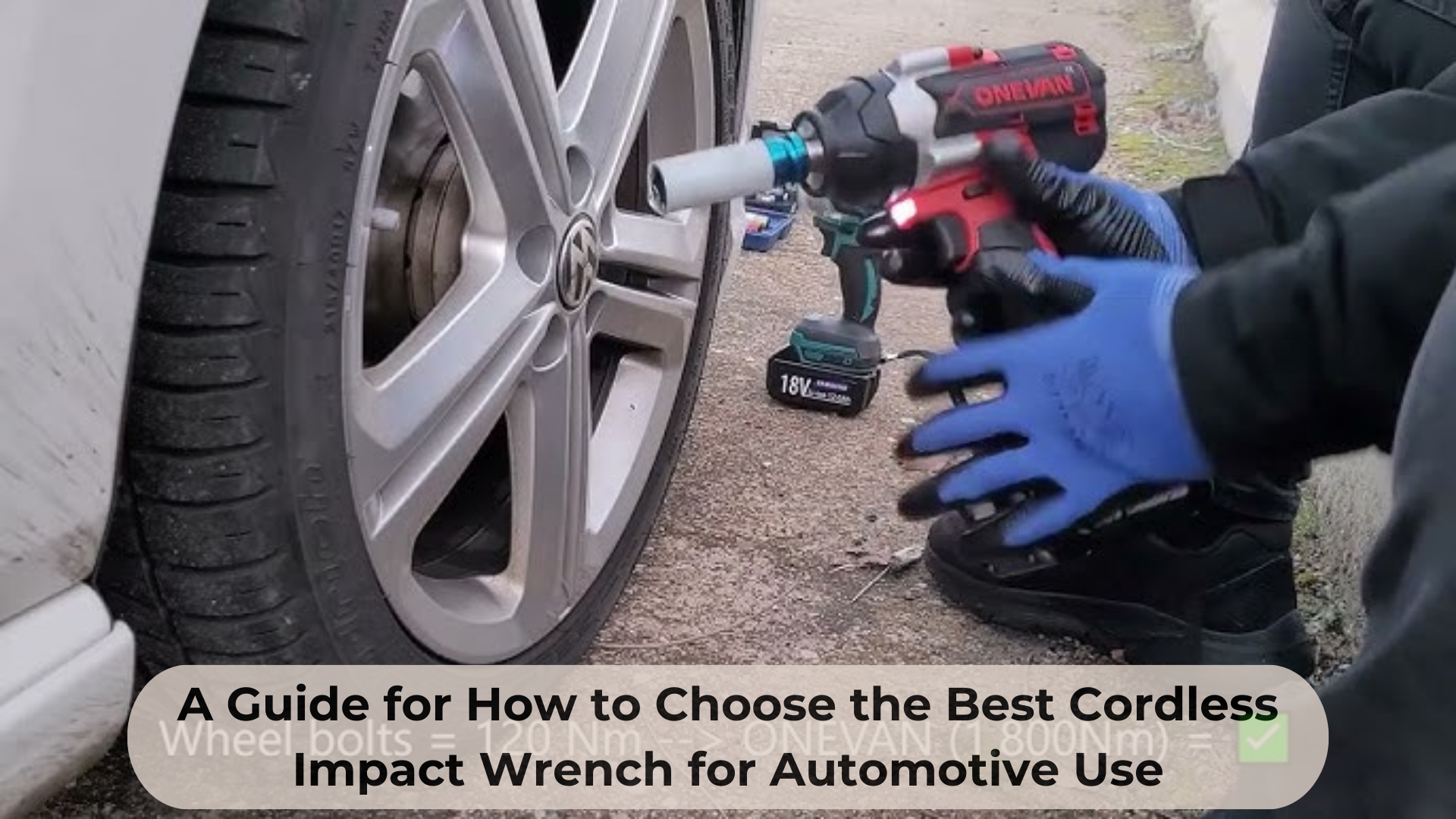
- Automotive wheel lug nuts removal and installation
Impact wrenches speed tire changes and remove stuck lugs. Use careful torque control afterward for final tightening. - Heavy equipment and machinery assembly or disassembly
Large bolts on frames and engines respond well to impact force. - Construction framing and structural bolting
When many bolts need fastening quickly, impact wrenches save hours of manual work. - Stuck or rusted bolts and fasteners
The hammer action often breaks corrosion-free without rounding the head. - Situations requiring quick cycle time in production or fleet maintenance
Repeated rapid fastening cuts labor time and reduces fatigue.
I learned on my first week at a repair shop that an impact wrench is a productivity tool. It removed a seized exhaust flange bolt in seconds when a breaker bar failed. That experience taught me exactly when should you use impact wrench to avoid wasted effort.

When not to use an impact wrench
Avoid an impact wrench for tasks needing precise torque and delicate parts. Common cases include:
- Final torque on engine components, suspension parts, or safety-critical fasteners
Use a calibrated torque wrench for final, accurate tightening. - Thin or soft materials that can strip or crack under high torque
Hand tools give better feel and control. - Small hardware like electronics, light fixtures, or small appliances
The impact is overkill and can damage threads or fittings.
If you aren’t sure whether a fastener needs precise torque, ask yourself if a loose or over-tightened bolt could cause failure. If yes, don’t rely solely on an impact wrench.
Types of impact wrenches and how to choose
Choose by power source, drive size, and torque needs.
- Air (pneumatic) impact wrenches
Best for shops with compressors. They are lightweight and produce high torque. - Corded electric impact wrenches
Good for steady power and indoor use where cords are manageable. - Cordless (battery) impact wrenches
Offer portability and convenience. Battery tech has improved torque and run time. - Drive sizes: 1/4", 3/8", 1/2", 3/4", 1"
Larger drives handle bigger fasteners and higher torque.
Match the wrench to the fastener size and job. For most auto and home use, a 1/2" impact wrench is the sweet spot. I keep a 1/2" cordless for roadside jobs and a pneumatic 1/2" for the shop. That mix covers most times when should you use impact wrench in real work.

Torque, control, and avoiding rounded bolts
Impact wrenches deliver high torque but often less direct feel. To protect fasteners:
- Use impact-rated sockets only
Regular sockets can shatter under impact force. - Use torque sticks or an adjustable torque wrench for final tightening
Set the final torque with a torque wrench after the impact tool completes the heavy work. - Start at low power settings and work up when possible
This prevents over-torquing and damage.
I once overtightened lug nuts by rushing and caused warped rotors. Now I always finish lug nuts with a torque wrench. Understanding when should you use impact wrench includes knowing how to pair it with torque control.
Safety tips and best practices
Safety keeps you working longer and safer.
- Wear eye and ear protection
Impact tools are noisy and can eject debris. - Secure your workpiece and use a steady stance
Prevent kickback and slipping. - Inspect fastener heads and threads before use
Replace damaged hardware to avoid rounding or stripping. - Keep batteries charged and tools maintained
A weak battery can stall and cause user error.
I once had a loose socket fly off because it wasn’t secured. Now I always check the retainer and use locking extensions. These small habits matter for when should you use impact wrench safely.

Maintenance and care for long life
Routine care keeps an impact wrench reliable.
- Clean and inspect after use
Wipe dust and check for cracked housings. - Lubricate according to manufacturer instructions
Air tools need inline oil; electrics may need gearbox grease. - Use correct sockets and accessories only
Impacts demand impact-rated gear. - Store in a dry case to avoid rust and damage
Regular maintenance saved me from tool failure during a big job. Good maintenance practice helps you trust the tool whenever you ask yourself when should you use impact wrench.

Buying guide: what to look for
When shopping, balance torque, speed, ergonomics, and cost.
- Torque and speed ratings
Higher torque for bigger bolts. Look for max torque and adjustable settings. - Power source and portability
Battery models are best for mobile work; pneumatic is best for shop use. - Weight and handle comfort
Lighter tools reduce fatigue during long tasks. - Battery life and charger quality (for cordless)
Fast chargers and spare batteries keep you working. - Warranty and parts availability
A good warranty indicates reliability and service support.
Try tools in person if possible. I test torque feel and balance before buying. That hands-on check helps answer the practical side of when should you use impact wrench for your work.

Examples and real-world use cases
Short examples where an impact wrench shines.
- Tire change on a car fleet: reduces time per vehicle by minutes.
- Removing a rusted exhaust flange bolt: breaks corrosion-free when hand tools fail.
- Framing bolts on a deck: fastens dozens of bolts with less hand strain.
- Heavy machinery tear-down: quickly removes large bolts that would require long bars.
These examples come from real shop and site work. They show practical moments of when should you use impact wrench to save time and effort.
Troubleshooting common problems
If the wrench stalls or fasteners strip, try these steps.
- Check socket condition and use impact-rated sockets.
- Reduce power setting or use a lower torque mode.
- Inspect the fastener and threads; clean or replace if damaged.
- For battery models, check battery charge and contacts.
Knowing these fixes helps you act fast when should you use impact wrench and something goes wrong.
Frequently Asked Questions of when should you use impact wrench
When should you use impact wrench for car tires?
Use an impact wrench to remove or snug lug nuts quickly, then finish with a torque wrench to the vehicle’s specified torque. This prevents over-tightening and ensures safety.
Can impact wrenches damage bolts?
Yes, if used without control or on delicate parts. Always pair with a torque wrench for final tightening on critical fasteners.
Is an impact wrench better than a breaker bar?
They serve different roles. Use an impact wrench for speed and repeated work; use a breaker bar for controlled, high-leverage loosening in tight spots.
Are cordless impact wrenches powerful enough for heavy jobs?
Modern cordless models handle most auto and light construction tasks well, but heavy industrial bolts may still need pneumatic or larger electric models.
Do I need special sockets for an impact wrench?
Yes, use impact-rated sockets because they are thicker and designed to withstand the hammering action without cracking.
Conclusion
An impact wrench is a powerful, time-saving tool when used in the right situations. Use it for high-torque tasks, stuck bolts, and repetitive fastening, but avoid it where precise torque or delicate parts are required. Practice safe use, pair the tool with torque control for final tightening, and keep the wrench well maintained. Try using an impact wrench on a small, safe project first to get a feel for power and control. If this guide helped, subscribe for more tool tips, share your own experiences below, or ask a question in the comments.