Yes — handmade leather rugs can be worth it for style, durability, and unique character.
I’ve spent years working with home décor and sourcing handcrafted pieces, and I can say with confidence that handmade leather rugs offer a distinct mix of beauty and utility. This article breaks down value, costs, care, and real-world pros and cons so you can decide if handmade leather rugs fit your home, budget, and lifestyle. Read on for clear guidance, practical tips, and honest trade-offs drawn from hands-on experience and industry insight.
What are handmade leather rugs?
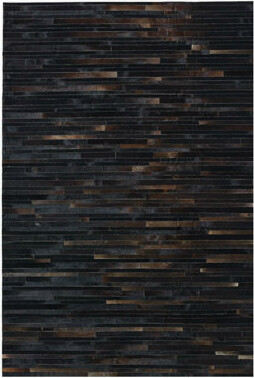
Handmade leather rugs are floor coverings crafted from animal hide or leather pieces. Artisans cut, stitch, or weave leather panels into rugs. They come in many styles, including patchwork, braided, and single-piece designs.
These rugs show natural grain, color variation, and hand-finishing marks. That makes each piece unique. Handmade leather rugs differ from machine-made ones in texture and craftsmanship.
Key benefits of handmade leather rugs
Handmade leather rugs bring several clear advantages:
- Durability and longevity. Quality leather resists wear and can last decades with care.
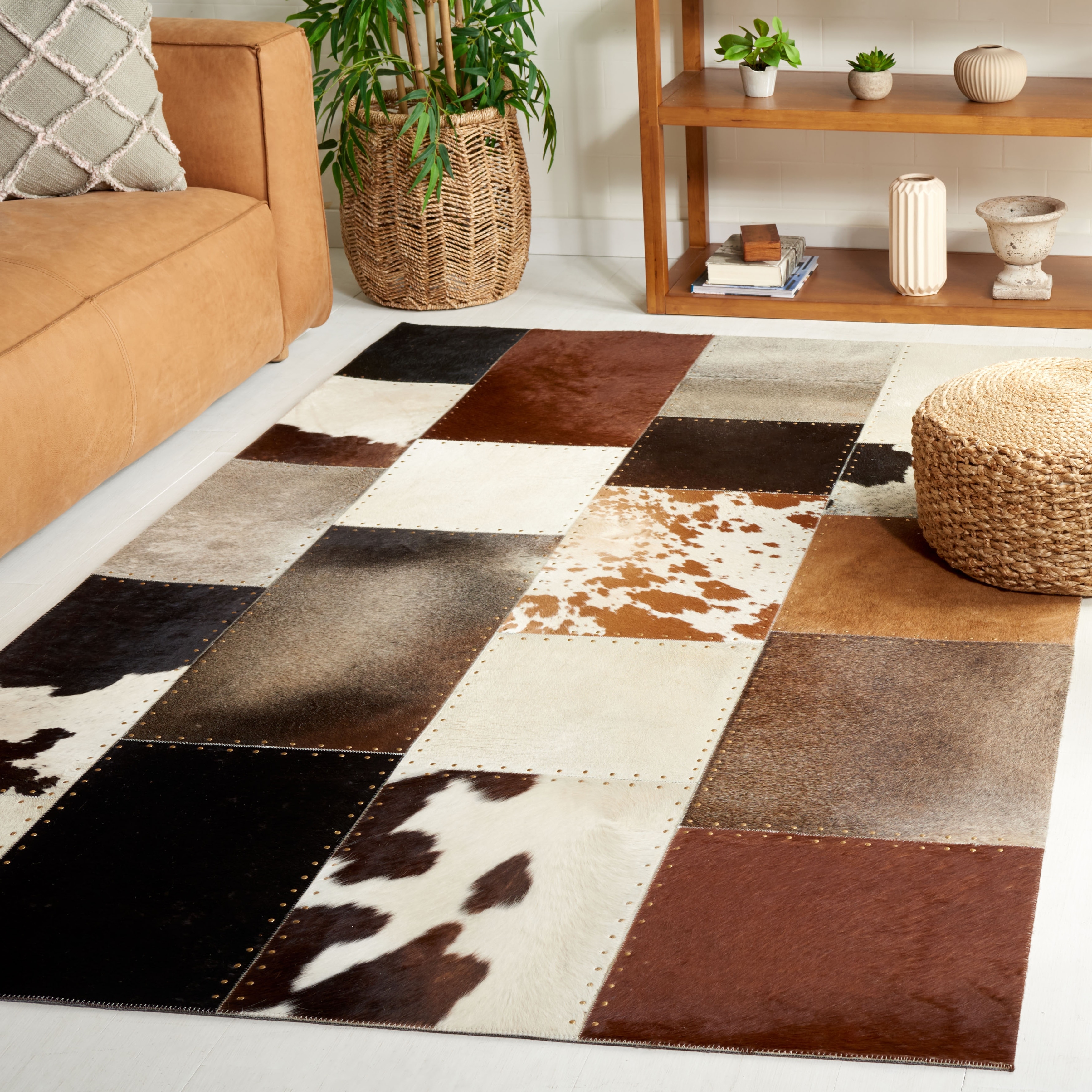
- Unique aesthetics. Natural tones and handmade seams create one-of-a-kind accents.
- Easy to clean. Leather wipes clean quickly of spills and dust.
- Hypoallergenic surface. Leather doesn't trap dust and pet dander like deep-pile carpets.
- Eco potential. When made from responsibly sourced hides or reclaimed leather, these rugs reuse materials.
From my experience fitting leather rugs in living rooms and offices, they perform well in high-traffic spots. They gain a soft patina with use that many owners value.

Common drawbacks and limitations
Handmade leather rugs are not perfect for every home. Consider these limits:
- Cost. Handmade leather rugs can be pricey compared to synthetic rugs.
- Sensitivity to moisture. Leather can warp or stain if exposed to prolonged humidity.
- Not ideal for messy households. Heavy spills or pet accidents can damage the hide.
- Temperature and comfort. Leather can feel cold in winter and slippery underfoot.
- Ethical concerns. Some buyers object to animal-derived materials.
I once installed a leather rug in a kitchen and regretted it after a heavy spill. That taught me to reserve leather rugs for living rooms, studies, and low-moisture areas.
Are handmade leather rugs worth the price?
Short answer: value depends on your priorities and use case.
Consider these value factors:
- Material grade. Full-grain leather costs more but lasts longer.
- Craftsmanship. Hand-stitched edges and tight seams raise value.
- Size and design. Custom shapes and large pieces increase cost.
- Lifespan. A well-cared-for handmade leather rug can outlive many textile rugs.
- Resale and aesthetics. Unique handmade pieces hold appeal for boutique buyers.
If you value longevity, low maintenance, and a high-end look, handmade leather rugs can be a smart investment. If your priority is low cost or messy durability, cheaper synthetic rugs may be better.
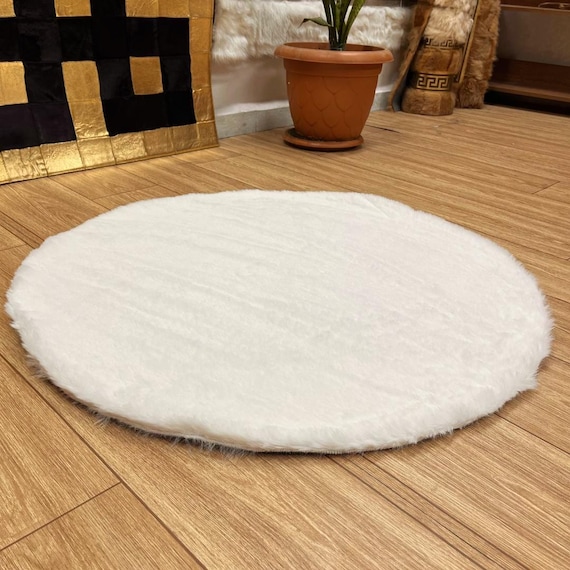
How to choose the right handmade leather rug
Follow a clear checklist when shopping:
- Check leather type. Full-grain and top-grain are best for durability.
- Inspect stitching. Tight even stitches signal skilled craftsmanship.
- Ask about tanning. Vegetable-tanned leather ages nicely; chrome-tanned is more stain resistant.
- Request origin and sourcing. Ethical sourcing and traceability matter to many buyers.
- Consider backing. A non-slip backing improves safety on hard floors.
- Match size to room. Measure before buying to avoid scale issues.
I recommend requesting close-up photos if buying online. I once rejected a rug because the seams looked loose in photos. That saved me repair costs later.
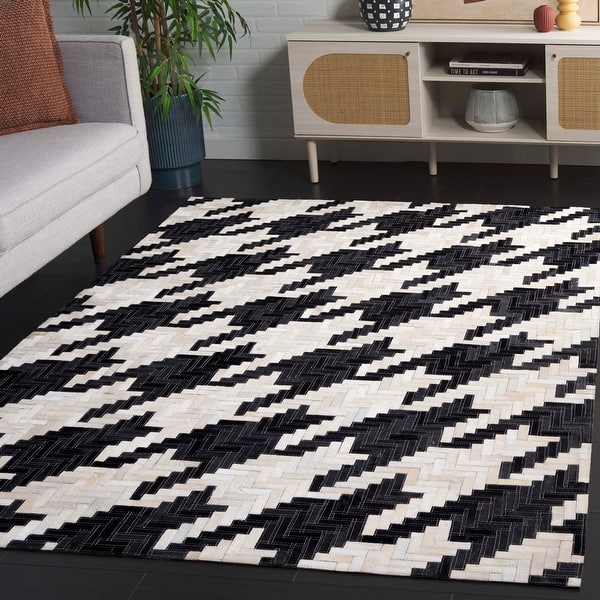
Caring for and maintaining handmade leather rugs
Good care extends life and beauty. Use these simple steps:
- Regular dusting. Vacuum gently or sweep with a soft brush.
- Wipe spills fast. Use a damp cloth and mild soap for quick cleanup.
- Avoid soaking. Keep water and heat exposure low.
- Condition occasionally. Use a leather conditioner designed for hides.
- Rotate rug. Turn the rug periodically to ensure even wear and fade.
- Professional cleaning. For large stains, consult a leather cleaning professional.
I clean mine every two months and condition once a year. That routine keeps the rug soft and prevents cracking.
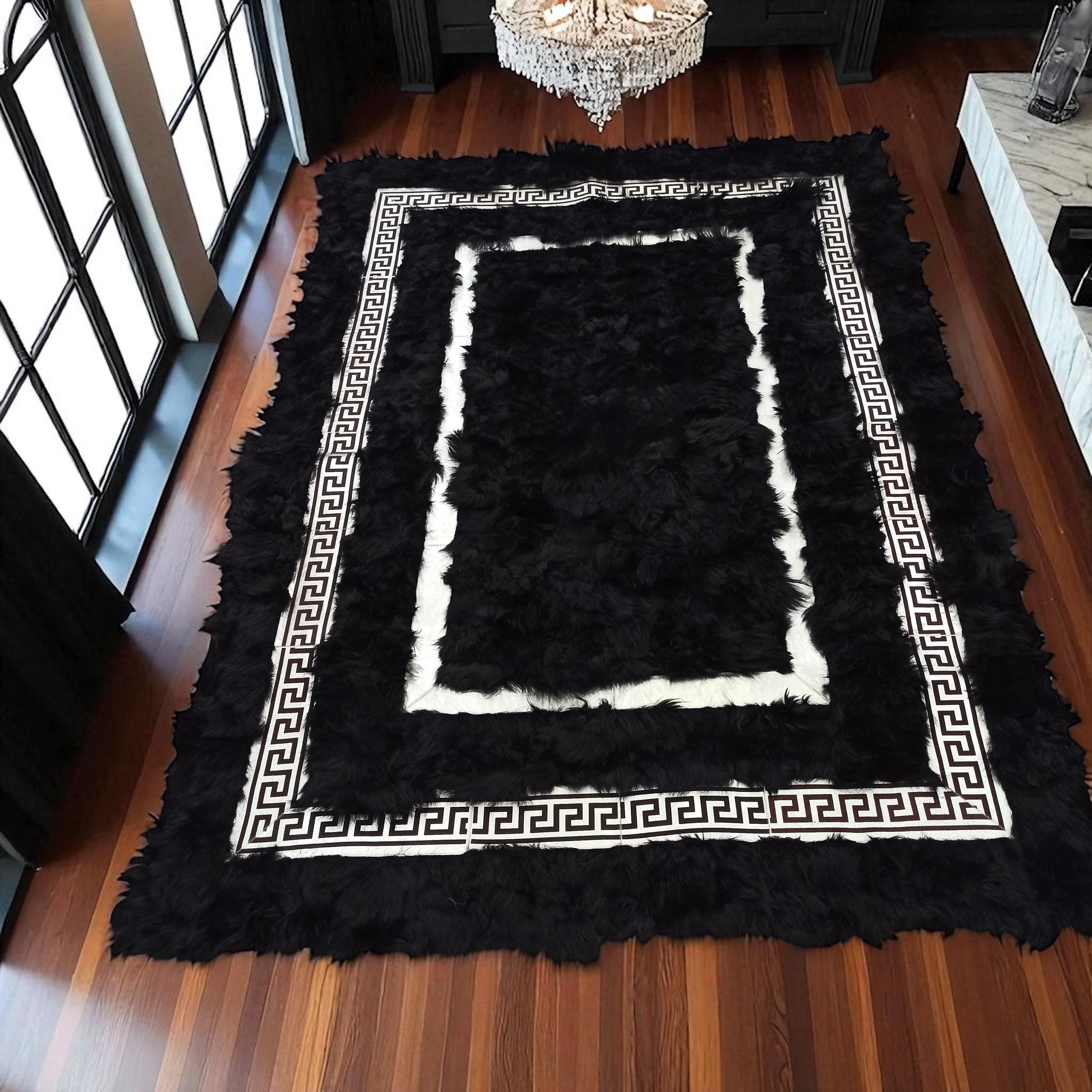
Styling and placement tips
Handmade leather rugs look great in many settings. Use these ideas:
- Under a coffee table. Low-profile leather works well in living rooms.
- In a study or office. Adds warmth and professional flair.
- Layered with textiles. A leather rug under a wool rug adds depth and texture.
- On hardwood floors. The contrast with wood is elegant.
- Near seating areas. Use them where spills are less likely.
Avoid bathrooms and busy kitchens. Leather prefers steady, dry environments.
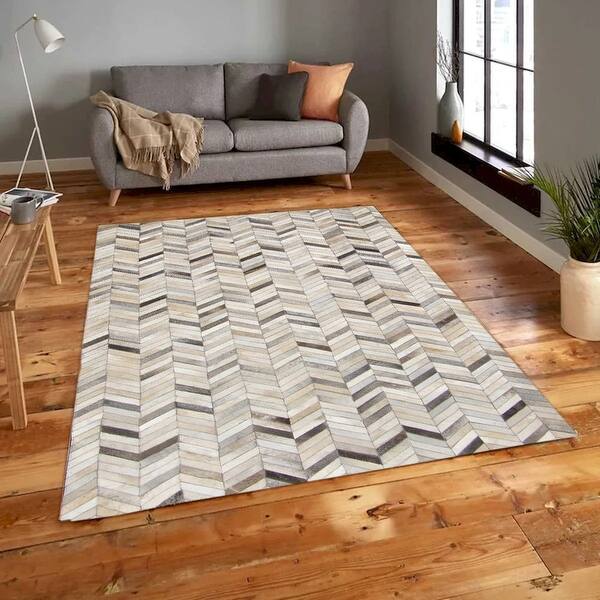
Cost range and buying options
Expect a wide price range. Typical factors and ranges:
- Small patchwork rug. Lower-end handmade options may start modestly.
- Mid-size high-quality rug. Mid-range handmade leather rugs cost more but offer better hides.
- Custom or designer pieces. Top-tier or bespoke handmade leather rugs can be premium priced.
Buy direct from artisans, boutique shops, or reputable online retailers. Ask about return policies, warranties, and repair options.

Sustainability and ethics
Sustainability varies by maker. Key points to check:
- Source of hides. Reclaimed or by-product hides are more eco-friendly.
- Tanning methods. Vegetable tanning uses fewer harmful chemicals.
- Artisanal labor. Fair labor practices matter for ethical shopping.
- Longevity. Long-lasting leather reduces waste over time.
Ask sellers about their practices. Transparent makers usually provide clear info.
Personal experience and lessons learned
I’ve installed handmade leather rugs in three homes and advised clients on dozens more. Lessons I learned:
- Place leather rugs in low-moisture, low-spill areas for longevity.
- Invest up front in quality leather and stitching; repairs are costly.
- Ask for sample swatches to check color and texture at home.
- Embrace the patina. The natural aging is part of the charm.
One client bought an inexpensive leather rug and returned after a year due to cracking. Upgrading to a higher-grade handmade leather rug solved the problem and lasted much longer.
Quick buying checklist
Before you buy, confirm these essentials:
- Leather grade and tanning method
- Stitching quality and backing
- Return policy and warranty
- Care instructions and cleaning options
- Source and ethical disclosure
This checklist will help you get a rug that fits your space and lasts.
Frequently Asked Questions of are handmade leather rugs worth it
Are handmade leather rugs more durable than fabric rugs?
Yes. High-quality handmade leather rugs resist wear and last longer than many textile rugs when properly maintained.
Can leather rugs be used in high-traffic areas?
They can, but choose full-grain leather and durable stitching. Rotate the rug and clean regularly for best results.
Do leather rugs smell or off-gas?
New leather may have a mild scent that fades over time. Properly tanned and aired leather usually has minimal odor.
Are leather rugs pet-friendly?
Leather is easy to clean, but claws can scratch the surface and accidents can stain. Consider alternatives if you have active pets.
How do I remove stains from a leather rug?
Blot spills quickly and use a damp cloth with mild soap. For deep stains, seek professional leather cleaning to avoid damage.
Conclusion
Handmade leather rugs are worth it when you value durability, unique style, and easy maintenance. They suit living rooms, offices, and other dry, low-spill spaces and reward careful buyers with long-lasting beauty. If you choose a well-made piece, care for it properly, and match it to the right room, a handmade leather rug becomes an investment that adds character and function. Start by assessing your space, budget, and priorities, then shop with the checklist above. If this guide helped, consider exploring local artisans, subscribing for more décor tips, or leaving a comment about your leather rug experience.